
Dorset Wildlife Trust
No.3 in a series of eight leaflets (1. 2. 3. 4. 5. 6. 7. 8.)
Who can resist relaxing beside water on a hot summer's day, or watching a bird take a quick
drink in winter? There are nearly 2 million garden ponds in Britain, and this number is
constantly on the increase, making us one of the most enthusiastic nations for this wonderful,
watery garden feature. You can have a front seat at a frog's chorus, or be entertained by the
damselflies' elegant, aerial mating dance. The choice is yours! Read on for some wonderful,
watery magic.
A guide to creating ponds and bogs in your own garden.
Despite our apparent love of water, the number of natural ponds in the countryside is decreasing. Many of those that remain are greatly affected by modern agricultural practices such as the use of pesticides, draining of wetlands and filling of ponds.
As an owner of a small but thriving urban pond you are contributing immensely to the
ability of nature to survive this concrete jungle we call home! 9,000 natural ponds are lost
each year - lets see if we can offset this by creating a watery network here in south-eastern
Dorset!
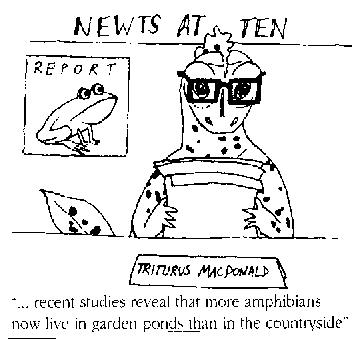
(just in case we haven't convinced you yet...)

Avoid moving frogspawn and other pond life around as you may inadvertently transfer a disease or invasive species. If your frogs are becoming inbred due to isolation of the pond, seek advice for a safe source of frogspawn. Moving certain species (e.g. great crested newts) requires a license and releasing animals onto nature reserves can result in a fine. NEVER release a non-native animal into a pond - seek specialist advice if you are unsure. You may be contributing to the destruction of our native flora and fauna. If unsure please contact an expert for advice.
Recommended reading and support
Web version created by Poole Agenda 21