
Quote Vs Quotes. Vocabulary.com quote / quotation If you quote someone, do you create a quote or a quotation? However, in their traditional uses, these terms are slightly different. "A quotation is a handy thing to have about, saving one the trouble of thinking for oneself, always a laborious business."According to the Oxford Dictionary, the word quotation is defined as, "A group of words taken from a text or speech and repeated by someone other than the original author or speaker." Language rules When to Use Quotation Marks ("")

However, always try to have a sense for why you've chosen your quote.
In British and Australian English, one typically uses single quotes.

Single Quotes vs. Double Quotes - Which should you use? | Double quote ...
Quote vs Quotation: Difference and Comparison

Quotation Marks " " What Are They and When Do We Use Them? • 7ESL
Famous quotes about 'Good And Evil' - QuotationOf . COM

Learn How to Block Quote For Your College Papers - EduBirdie.com

25 Life Making Inspiring Quotes
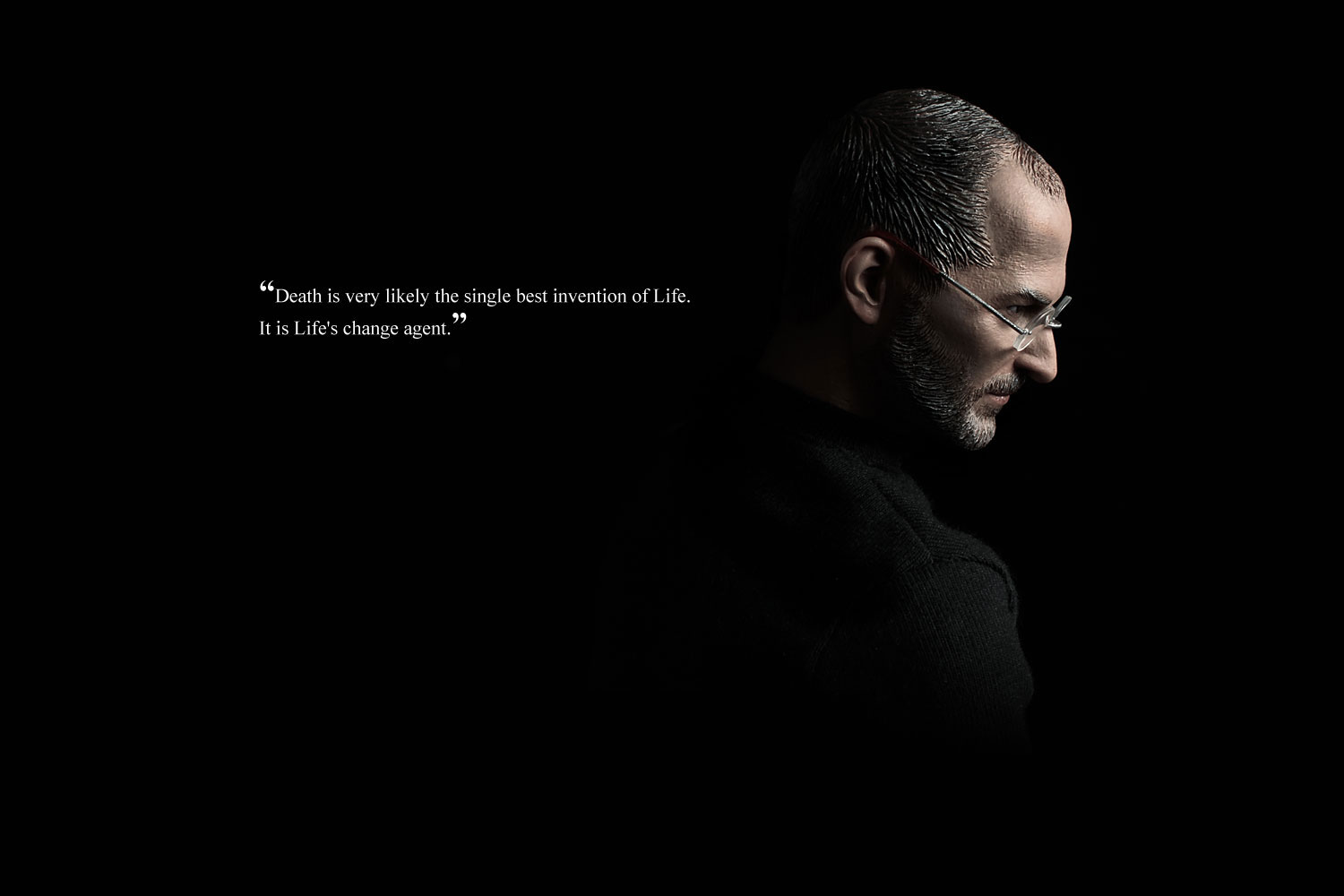
Life vs death, Steve Jobs quote | Obama Pacman
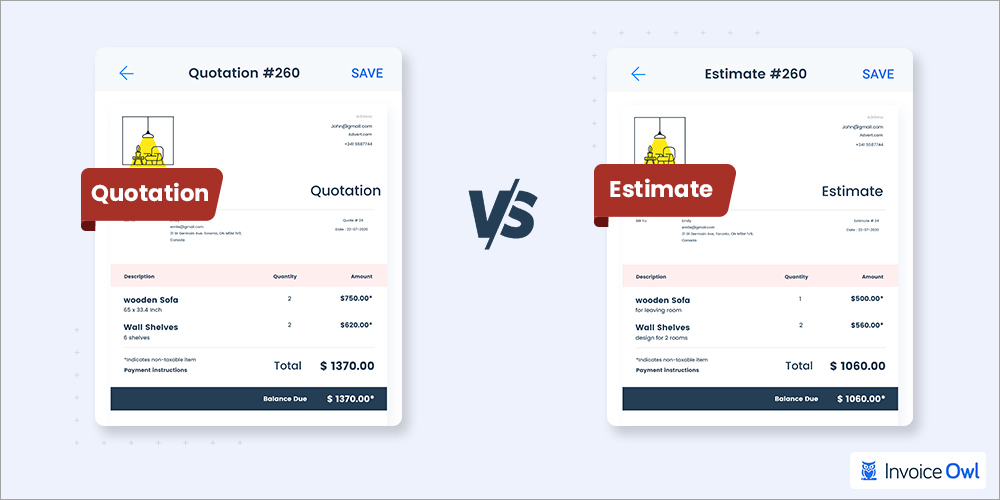
Know the Difference: Quote vs Estimate | Complete Guide

Quote Vs Paraphrase Vs Summary: Which Is Better?
The use of quotation marks, also called inverted commas, is very slightly complicated by the fact that there are two types: single quotes (` ') and double quotes (" "). The noun quotation refers to a group of words taken from a text or speech and repeated by someone other than the original author or speaker. You don't have to depend on someone telling you who.