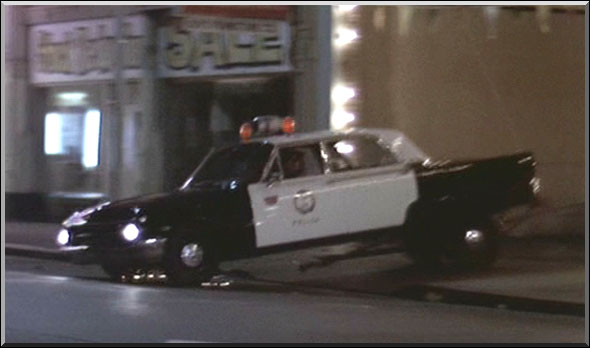
With Graffiti, Lucas created a comprehensive portrait of an entire era. In less than two hours, the viewer is given a glimpse into the golden age and a world that was about to change forever. The '60s would usher in the free speech movement, the growing anti-Vietnam sentiment and a whole counter-culture bringing with it all sorts of mayhem . Through the use of meticulous details such as clothing styles, hot-rods and drive-in waitresses on roller skates viewers get a feel for the 50s and a way of life that still reverberates in the memory of many Americans.
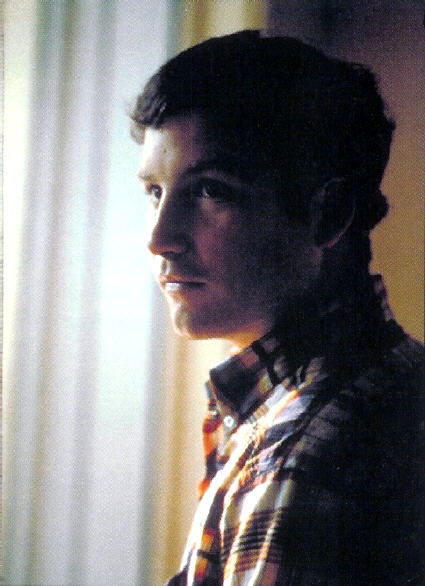
As part of the outrageously innovative American film renaissance of the 70s, Graffiti helped create a new model for the teenage comedy. The structural elements of the film including the ensemble cast, the compression of time, the rock music soundtrack, and the view of teenagers as an independent subculture, have been copied and perfected by many films and TV shows. Lucas and crew were able to parallell the teenager's last night together with an underlying sense that the an era is ending. This is a key component missing from much of the refried-50s nostalgia that followed. Shows such as HAPPY DAYS (which capitalized on Graffiti's success), lack the essential structure of historical implications that are presented in the actions of characters like Curt. In Graffiti, Curt doesn�t want to leave his hometown but he senses that change is unavoidable. Having said goodbye to his parents at the airport, Curt boards the plane and as it climbs and banks out over the valley, the music on his radio fades and then turns to static. It is a bittersweet moment, as Curt looks lost in thought, perhaps worried about the changes that lie ahead along with the realization that things will never be the same.
|