| WELCOME TO ILLOGICAL MUSE
FALL 2007 |
| FROM THE EDITOR
OCTOBER 12, 2007 |
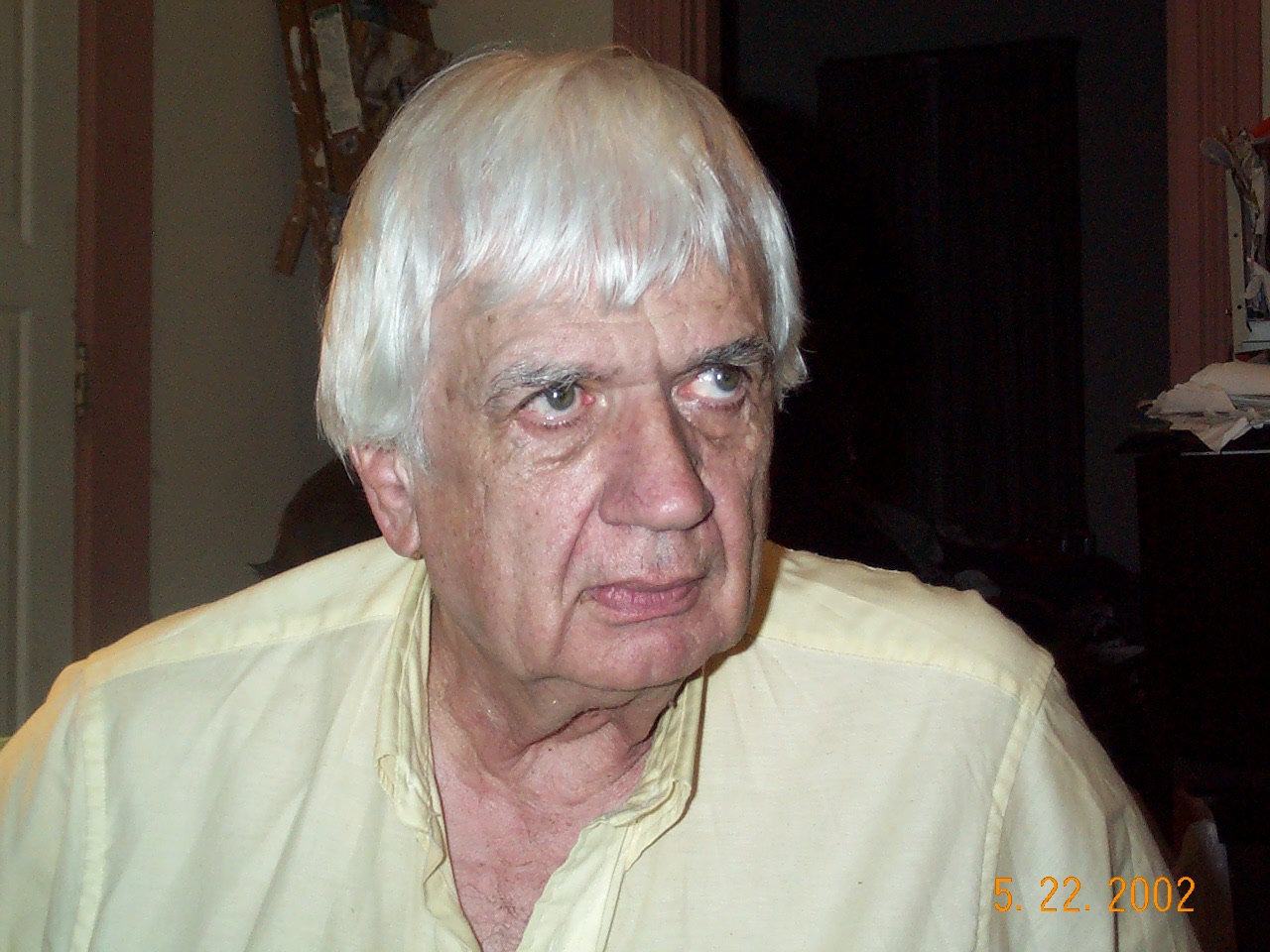
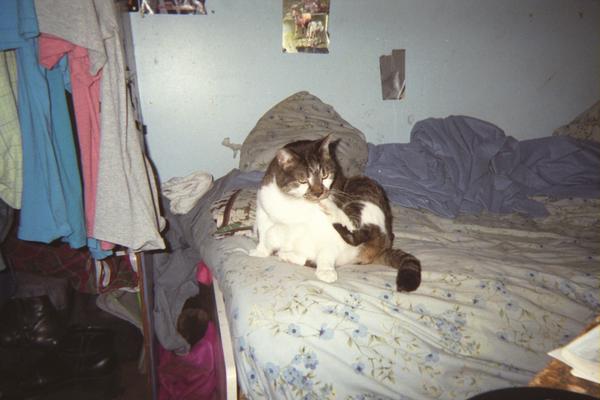
| Well, here it is � the last online issue of Illogical Muse. In a way, I�m going to miss all the fun I�ve had putting together this internet journal but I�m really happy with the decision to move to print. I�ve been hoping for this since I first started the site almost three years ago. I never expected it to happen this quickly but the time just felt right. I�ve been thinking about it all summer and, in fact, wanted to start with the summer issue but rethought and decided not to. Something like this takes time, proper planning and � the bane of small press existence � money. Of course, I�ll still be operating the website. I didn�t upgrade for nothing! I�m happy to say Illogical Muse is expanding. Not only are there many new, wonderful poems, but I�m also privileged to include three short stories, artwork by Ernest Williamson III and the American Life In Poetry Column. There is also a very special feature on Young Talent. And don't forget to take part in the next writing exercise posted on the blog. But as hapiness and sadness go hand in hand, I regret to inform you of the death of Hugh Jones, a frequent contributor to Illogical Muse, he succumbed to laryngeal cancer on June 29th. And also the death of Harvey, one of my cats. He was drowned and/or poisoned by one of my neighbors (and I know who I just can't prove it) and left in the backyard for me to find. It is to them I dedicate this issue of Illogical Muse. |
| Jimmy Jones was a toothpick. A living, breathing toothpick. Shit it was tough being a toothpick in Jimmy�s world. The key was to not get used. To not get stuck in somebody�s mouth and gyrated about, loosening a bit of stuck food, or just dangling out of somebody�s mouth as an accoutrement to being �cool�. Jimmy and his fellow toothpicks in the toothpick pack would always try to nudge their box to the back of the supermarket shelf so their box wouldn�t be right up front and be purchased. They all had to work in unison to do this, and Jimmy was the ringleader, urging his fellow toothpicks to �lean, lean! Try harder!� Usually they were able to inch the box back, ever so slowly, so they wouldn�t be out in the open and get purchased. But, as they say, �toothpick time waits for no one� and one day a burly gent named of Jack McGirt reached to the back of the shelf and plucked the box from its hiding position. He purchased Jimmy and the box full of his fellow toothpicks.
McGirt threw the box into his shopping cart. Jimmy and his companions were jostled together as they were flung onto the checkout conveyor, scanned, and dropped into a brown grocery bag with assorted other items McGirt had bought. Then it was a pick-up truck ride to McGirt�s home, out of the bag and onto a shelf in McGirt�s kitchen cupboard. Jimmy and his companions stayed there, on that shelf, for a good long time. He and his mates enjoyed themselves, as toothpicks do, when left undisturbed by human hands. They rubbed up against each other snugly, comfortable all packed dense in the unopened toothpick box. But, as they say all good things must come to an end, and when summer came around the sweet corn crop ripened and was ready for sale. McGirt loved his sweet corn, eaten with butter straight off the cob. In June of that year, a year and four days after Jimmy�s �birth� McGirt�s greasy hands rummaged around on the shelf where the box with Jimmy and his cohorts lay. McGirt lay hold of the box and tearing it open he extracted one, then two, then a whole handful of Jimmy�s compatriots. All of Jimmy�s friends got the full treatment, being jammed into McGirt�s mouth they were pushed and scraped into corners of McGirt�s brown, tobacco and coffee stained teeth. They did their job well, Jimmy�s companions, and when they were discarded into the rubbish bin they could well say that they had performed admirably in the line of duty. They were taken with the rest of the rubbish to the landfill, and there they lay, alone, unwanted, used and tainted by the spittle of the big man McGirt�s gnarly mouth. Jimmy had heard stories of what it was like at the landfill, from two picks that had found their way out of that wasteland and into a toothpick work of art that graced McGirt�s kitchen windowsill. No way did one want to end up in the landfill, was all these two picks would say. That place is dark, and cold, and wet, and bad, bad, bad... Throughout that summer, the first summer of Jimmy�s birth, Jimmy saw his brethren disappearing at an ever faster rate. Into McGirt�s mouth they would go, for the big man lived and ate alone, and after they were thoroughly coated with McGirt�s saliva and various food particles into the rubbish bin they went, to go to that dreadful place, the landfill. It was in mid-July, after nearly half the box of toothpicks had been used and sent to their destiny in landfill hell, that Jimmy made his decision. He decided to make a run for it, to escape the toothpick box and McGirt�s home. He would live the life of a wandering toothpick, alone, but happy and free, wandering the forests roads and parks of the Black Hills of South Dakota, USA, where McGirt lived and worked as a cement truck driver. Yes, Jimmy decided, he would make a break for it, and damn the consequences good or bad of what may come of his decision. When he told the other toothpicks in the box of his decision, they all laughed. They said it couldn�t be done. �Toothpicks just can�t get up out of the box and leave,� said one old pick, a pick that had fallen out of a box that McGirt had purchased years earlier. That pick had lodged in the back of the shelf, in the small opening crack that separated the wood shelf from the concrete wall. He was the resident toothpick sage on the shelf and he had seen many summers, and winters too, come and go. �No,� he said, �you�re dreaming Jimmy, toothpicks can�t just climb out of the box and go gallivanting around, like regular folks and insects and other critters do. The pick�s home is in the box,� he told Jimmy, �and in the mouth, the rubbish bin and the landfill, in that order. Except for when your bein� made, or born as you like to say, and when you�re on the shelf in the pick factory and in the store, you�re life is in the box in a drawer or on a kitchen shelf,� the old pick said, �and in the mouth and then you�re done for.� But Jimmy would not be persuaded otherwise. �But the cups, the dishes, the silverware, and even the cloth napkins, they get out of the shelf, do their jobs, and return to the shelf. They don�t get thrown away. They don�t wind up in the landfill,� Jimmy protested. �Why can�t I be like them?� �Well, son,� the old pick said, �theys reusable. You�re not.� That was it, simple as that. Life was unfair, a pick had his day in a greasy mouth, performed his or her duty, and it was in the rubbish bin and off to the landfill. Cups, saucers, pots, pans, they were all reusable. They could go out in the world and experience the world and return to the shelf. And oh! The stories they told of their experiences in the world when they returned! They would have the entire contents of the shelf either rapt with attention or clanking against one another with glee as they described how McGirt got drunk and was slapped by this woman or that, or telling about the time McGirt was so drunk and obnoxious, once at a picnic, that the other attendees at the party tied him bellowing to a tree! How Jimmy longed to leave the box, experience the world and return to the shelf like the other shelf inhabitants did. How he longed for one � just one � day out of the box, one day that would not result in his being crammed in McGirt�s bearded mouth and sent off to the landfill. The only other inhabitants of the shelf Jimmy had anything in common with, besides his fellow picks, were the paper napkins. They too, knew the stinging pain of being shelf-bound until their onetime use and then into the rubbish bin and off to the landfill. Yet they were a clannish group, thinner and less substantial than Jimmy and his brethren, and they were more stoic regarding their fate in life. �Napkin�s got a job to do,� they would tell Jimmy when he spoke to them of his hopes, his desires, �and we paper ones do it once, go to the landfill, and get on with our existence.� �Doesn�t sound like much of an existence,� was Jimmy�s reply. The paper napkins were too stoic for Jimmy�s tastes, Jimmy decided. So it was, on July 20, 2004, Jimmy decided to make a run for it. After long days of laying thinking in the toothpick box - and seeing his comrades plucked out of the box one by one and wind up in the rubbish-bin and the land fill � Jimmy decided upon a plan. He would roll out of the box, roll out of the cupboard, somehow get down from the kitchen counter, get onto the floor and roll his way to freedom. It was a little past midnight, on the day of July 20, 2004, that Jimmy made his move. So as to not disturb the other sleeping picks, he carefully, gently, eased himself from his position wedged in with the other picks. He made his way to the side of the box. All the other picks were fast asleep as Jimmy inched his wooden body toward the box�s edge. Suddenly, Charley, a timid pick Jimmy knew well, woke up. Charley had always been a light sleeper, forever worrying that he would be next chosen to be crammed in McGirt�s greasy mouth and thrown into the garbage bin. �Jimmy! Jimmy! what are you doing?� Charley asked, astonished that Jimmy was �making a run for it�. No other pick had ever tried escaping for as long as this box, at least, had been on the shelf. Sure, there was the legend of Pim. Pim�s story was a legend that was first heard at the pick factory. It was a legend that gave all picks hope and a will to live and do their job properly. No other pick, that Jimmy or Charley or any of the other picks that were in the box or in the pick sculpture that graced the windowsill knew of any pick that had �made a break for it� and escaped the box and lived to tell about it. The story of Pim was that she had � by her own efforts � rolled out of the box, and, rolling across the floor and on her way to freedom rolling in the great outdoors, Pim had been discovered by a little girl. The little girl used Pim as a weapon, using Pim�s hardened body to poke the eye of an intruder, a rapist in the Hansen household in New York City, when the criminal in question was in the process of raping � and then intending to kill � the little girl�s mother. After the little girl used Pim�s body in act of heroism the intruder/rapist was blinded, and he fled the household, but not before the little girl had dropped Pim. The intruder tripped on Pim, his foot slipping rolling on Pim�s hard body. To make a long legend short the intruder tripped and hit his head on the corner of the Hansen�s coffee table, killing him instantly. The little girl, and Pim, her weapon of choice, were written up in the local and national newspapers. Pim, shellacked and framed, now looked proudly upon the world from a prominent spot in the Hanson�s living room. People came from all over the world to hear the heroic little girl�s story and to gaze upon Pim, stuck on a rice-paper backing, framed and hung prominently in the Hanson�s clean and tidy � and happy � home. Pim was a legend in pick folklore, and every decent thinking pick strove to be free and help their purchasing family like Pim did. But there were more serious matters at hand than to remember the legend of Pim now. �I�m making a run for it,� Jimmy informed Charley, �and don�t try to stop me.� A groggy Charley rubbed the sleep out of his eyes. �But Jimmy,� he exclaimed, �where will you go? What will you do?� �I don�t know yet,� was Jimmy�s response. �Is all I know that if I remain here I�ll only wind up in McGirt�s mouth, or as a mini-fork used jabbed in an appetizer, then the rubbish bin and the landfill. And I ain�t going to no landfill,� was Jimmy�s forceful reply. Charley was fully awake now, and he quickly grasped the fervor of Jimmy�s determination to be free. �Take me with you!� Charley said after a moment�s thought. But Jimmy was adamant. �No, Charley,� he said, �You�ll have to develop your own plan to escape. He who travels fastest and furthest goes alone,� Jimmy said, echoing the words of a song he had heard McGirt playing on his CD player, a song sung by Merle Haggard. �Please Jimmy, please!� Charley begged. I just know I�m the next to go, to go to the�� Charley could barely say the word, �the landfill . . . I�ll awake the others!� he said in desperation, �and they�ll stop you!� Charley�s face was a menacing sneer now. Picks could be so petty and self-centered living as they did in the face of imminent �use� and annihilation at the landfill. But Jimmy had had enough of this charade. He twisted his body and poked Charley in his wooden side. He pierced Charley�s hard body and dealt him a crippling wound. Then without another word spoken, he used his and the reeling Charley�s weight to tip the box on its side. Then he rolled on out of the box and onto the shelf, his first taste of freedom! Just then McGirt came bursting through the door. He had been at the bar, drinking, and he was drunk. He stumbled around the kitchen for a bit looking for something to eat. He made a sandwich and was eating it when he spied Jimmy, rolling across the countertop. Jimmy was rolling toward the edge of the countertop and the drop that would have him on the floor rolling toward the front door, and then outside, the great expanse of freedom. A toothpick�s dream, to exist and mingle with the natural growing wood; to mingle with the plants and creatures and maybe meet up with the odd pick that had been discarded in the great outdoors, one who had not ended up in the stench-ridden landfill. Yet McGirt had other plans. He snatched up Jimmy and crammed him into his mouth. A piece of roast beef had lodged itself in-between his eye-tooth and a molar. He jammed Jimmy�s strong body into the crevice between his teeth and scraping with Jimmy�s body McGirt dislodged the grisly strand of roast beef. Jimmy recoiled at the stench of McGirt�s beer-breath. Then, just as McGirt was about to toss Jimmy�s saliva wet and used body into the rubbish bin Jimmy mustered up all of his strength. Arching his body in a springing motion he snapped his body deep into the hollow of McGirt�s gullet. McGirt began choking. He tried to cough and dislodge Jimmy�s body from his throat, but that only made matters worse. Jimmy�s hard wooden body went farther and farther down McGirt�s throat. McGirt began to panic and tried to perform the Heimlich maneuver on himself. It was all to no avail. McGirt swallowed and Jimmy�s body went down McGirt�s gullet and lodged sideways in McGirt�s throat, doing much damage on his way down. McGirt doubled over and crawling now he dialed 911. When the paramedics arrived they performed a tracheotomy on McGirt and dislodged Jimmy. Jimmy, bloody with McGirt�s throat blood and saliva was placed in a plastic bag and taken with McGirt to Rapid City Regional hospital. In the hospital, sealed in a plastic bag and labeled �evidence� Jimmy again began to plan to escape the hot and confining plastic bag. Jimmy had come far in his life since his �birth� a year and a half ago, though still he longed for the life of a free pick. He was again confined by humans, this time in a plastic bag and without his fellow pick companions. But still, the fires of freedom burned in his pick body, his pick mind. He resolved to try to poke a hole in the plastic bag with his sharp end, and try his luck inching around the hospital, looking for the door that would lead to his escape to the Promised Land, the great outdoors. His hopes were dashed when he was incinerated with his new friend the plastic bag. Before they were burned, however, the plastic bag gave Jimmy some words of advice. The words soothed Jimmy�s soul. �You can�t really kill anything,� the plastic bag told him, �we�re all made of stored energy, and though they can destroy our bodies, that cannot destroy our essence, which is stored or manufactured energy. When we die, or in our case when we get burned we merely turn into heat energy and soot particles, that then affect other functions in the �chain of existence�. So we don�t really die, we just change forms.� These words comforted Jimmy as his body was reduced to ashes in the hospital incinerator. As a transformation of Jimmy occurred his body gave birth to a myriad of soot particles and waves of heat energy. He was now truly free. As soot and heat he affected the air that July afternoon and made the clouds produce raindrops. Those raindrops then nourished the trees and plants and weeds in the great outdoors. When as water molecules Jimmy was absorbed by various forms of flora Jimmy had a good feeling about himself. He was out of the pick box, burned and transformed into heat energy, and his nourishing heat energy made it rain. Jimmy was then absorbed by a tree as rain. His essence as water molecules became part of a plant. �All a cycle,� he thought to himself, �and once again I am part of a tree.� Then the loggers came and once again, after the logs were shipped to the lumberyard, Jimmy�s soul or essence was in the freshly cut lumber. Then the lumber was bought up by the toothpick factory owner, and by the middle of August, 2004, Jimmy was again a toothpick, crammed in a pack with his toothpick brethren. By September he was sitting on the back of the shelf in the same supermarket where he had been before. But by this time Jimmy had forgot about his previous life as a pick. He had been through so many cosmic and laws-of-physics-changes. Once again, he said to himself, �I gotta get out of here, to make a run for it, to live the life of a free-range pick,� and again he began to plan his escape . . . |
| "Creative Fire" By Ernest Williamson III |
| "Beyond Rest"
By Joseph Veronneau Morning is blanketed by night's late humidity: the light unveiled through the fabric of fog. Icy drifts leave pillows cold and isolated, crystal feathers claiming windowpanes. Trees sway and pass in the departing vehicle a hazy mist clouds all that was. Shadowed people pass in hoods drawn tight where they just were, now nothing. |
| "James Jones, Toothpick"
By Randall K. Rogers |
| "Yes, There Are Two
Sides to 'Bipolar'" By Mark D. Cohen I spent several years in my twenties As a raging manic Clinically speaking I was bouncing up and down off the ozone I was flying without the help of illegal narcotics I was the greatest man alive I could bend entire continents with my bare hands My last good flip was at age 31 Now I�m seeing how the other half of me lives� Depression so deep Depression that I don�t tell anyone the extent of Not even my therapist or my psychiatrist But the funny thing is� What transitioned me from mania at age 31 To depression at age 50 Was straight-up paranoia (I�m �schizoaffective-bipolar� for a very good reason) So I was stone crazy in the �middle years� When all good bipolars are having kids Getting jobs And raising families I missed out on all that I�ve been totally out of my mind From age 24 to now I might cut myself some slack now and try to be sane for a while That is, if the depression doesn�t grab my very soul (And that is yet to be determined) |
| "The Captain's Dream" By Shae Davidson 1. I can visualize little goblins they warm themselves around the bonfire at the Chicago horizon and they slip through the night post office spitting in food and seeing carnival lights 2. my cousin told me I was adopted by the horns of shadows I had no idea what the hell to ask him as careless explanations spread near the museum steps 3. there's no need to beg when the face of my nemesis arrives at deep crater to satisfy all |
| "A Supplication"
By Phillip A. Ellis There is a supplication through kisses, from the neck lovingly seduced with perfumes redolent of opiate bliss, through the heady murmurs of stolen words, entwining tongues and breath, the bruising of lip on lip, through shoulders and the dampening pits, the strength latent in the curvature of nipples and of breasts, fluttering stomachs, hips, pubis and profundities between legs, a supplication embracing limbs and flesh, mediated through breath and through kisses. E-mail Phillip |
| "With Malice Toward One"
By Raymond HV Gallucci The Civil War was over, Or to many so it seemed. The mourning country sobered By a President who dreamed. Whatever means he'd taken Justified the sacrifice. Propriety he'd shaken; Preservation worth the price. But in the Southern quarters Where humiliation reigned, Assassination's authors Planned to retribution gain. For wounds he offered healing, But assassins knew no balm. Compassion so appealing Could, for them, no hatred calm. "Sic semper a tyrannis!" With this eulogy he died. And so assassin Janus Future killed and hope defied. |
| "The Scrivener's Tale"
By Raymond HV Gallucci Was driven to "scriven" to eke out a living, But never forgiven for nibbling on women. Hopes riven, turned into a griffin now shriven Whose quivering wings were uplifting to heaven. A maven was raving at Pearly Gate haven: "A raven's worth saving if not misbehaving. For griffin we stiffen admission condition." Not wishing perdition, I simply went fishing. |
| "Two Problems are Well, Two Too Many Right Now, I Guess"
By Mark D. Cohen My car was stolen on December 3, 2006 It was found on January 15, 2007 In a small township in Ohio (January 15th is the Rev. Dr.�s day, if you think about it� He was loving as always and cut me some slack) But here it is, Sunday, January 28, 2007, And my car is still in Ohio, thirteen days later My insurance company is muttering about having trouble Finding a towing service That would make the long haul to Madison, Wisconsin I�m getting FRUSTRATED here, friends And while we�re on the topic of things that tick me off� I�ve been diagnosed as mentally ill for 27 years And I just figured out about four months ago That all these genius psychiatrists and therapists have been wrong! I don�t have a psychiatric problem� I have a brain problem� I can recall, clear as day, Taking a walk, (�cause I went back to my parents� home After college graduation) And about fifty feet from my parents� house Some undated beautiful day in June, 1978 It suddenly �came to me� that I had lost Almost all of my working �consciousness� (I�m sorry, I can�t explain it better than that) I�m sure that it was the major reason Behind my first �nervous breakdown� in January of 1981 But can we all see which came first? I know the medical establishment does not talk about brain problems much But I WANT TO |
| "Dedicated Shepherd" By Ernest Williamson III |
| The one thing that immediately struck me about this magazine is how it teaches Christian values to children without �preaching� to them. It also gives kids courage and confidence to deal with situations in life. In the June 2007 issue there are several stories and articles that demonstrate this. In one story, a young girl and her friends work together to stop pollution coming from a building in their neighborhood. In a non-fiction article, two kids collect pennies to buy stuffed animals for children in the hospital. There is also a monthly contest in which kids can enter to win cash prizes and have their entries published in the magazine. And, of course, there are daily scripture readings and stories and lessons from the Bible.
I believe this is a good magazine for those converting to Christianity as well. The lessons are simple and help make the Bible easier to understand. Although this magazine is directed towards young children, there�s fun to be had by everyone. Here I am at twenty-three enjoying the stories, poems and activities packed into the forty-some pages. To request a sample copy of �Pockets,� visit the website: www.pockets.org |
| POCKETS Published by The Upper Room Reviewed by Amber Rothrock |
| "The Eagle And The Crow"
By Bryon D. Howell I tried to matter in the scheme of things to be an eagle in this world of ours. Appeared a crow who could not spread his wings - went crashing to the pavement by the flowers. When troubles rose, I promptly headed south. I thought myself as wise as some old owl. I tried to sing with feathers in my mouth - I chased a mouse, chose to ignore the growl. To eat, I swooped into a sleepy lake, believed a school of fish would be my prey. Your country's truest mascot's big mistake, a classroom of piranhas had their way. An eagle humbled by his own grandeur. a never-was, a crow - as insecure. |
| �Crab Apples�
By Amber Rothrock Ankles twist, tripping over fallen crab apples rotting in the heat, infested with flies. The apples that is. Sitting on the bench mourning the lack of broken bones. No reason to stay home from school. Mother�s only advice is to pick up your feet. But it would be more feasible to cut down the damn tree. Nobody eats crab apples anyway. |
| "Tacobell Thought Process
" By Eric Acosta i'm sitting in a tacobell stupid pop-rock love songs fill my ears in a table for two i have nineteen cents in my pocket (o wait, eighteen cents they were short a penny) and all i can think about is her teenage love is an empty seat |
| "Do You Know Why?"
By Katie Curl do you know why I love you? because when I exclaim "dishwasher" at 4:30 in the morning after a period of unrest and shaking and the comparison of everything is everything to anything is anything you understand exactly what it is that I'm talking about when after a day of sleep we awake too soon and I tell you, I�ve lost all contact with reality you tell me of the tears of the moon and the dreams of Kerouac�s left nostril when we wake at noon and brave the snowstorm to purchase the days ration of nicotine and lemonade we find ourselves distracted holding hands in a snow globe on north avenue I look up and the horizon is all around me I hear the lake when I cannot see it and between the snowflakes caught on my eyelashes the waves crash and land upon families playing in the weak daylight how do we get there? you ask me and I point forward the stars and we plunge down a flight of stairs outdoors a conundrum in and of itself and cast over the fence is a purple sled asleep in the snow our eyes land together upon it at the exact same point in time and it becomes evident, that when god thrusts upon you a sled, you go sledding. who's going first? you ask as I wipe away the snowy costume of the discarded sled black letters start to make themselves known and it's apparent that Andrew Richter went first. and that he decided to give his sled to everyone the first to take the iniative and pick it up gets to take part in his eternal snow day and continue where he left off push me! and you give me a shove and I fly down the hill amongst brethren half and twice my age and yet I feel as though we're all the same I stand up at the bottom of the hill pick up my sled and wave to you, waiting at the top you meet me half way up the stairs was it worth it? you ask me and I hand you the sled and we run back up the steps so you can live this moment too you sit down atop the hill, and you say quietly enough for only me to hear, "see you at the bottom" and we encompass that entire distance our souls stretching over the whole world all we know, to be as far as you and me |
| Harvey Oligabe proped his feet on the stool and snuggled into his over-stuffed chair. I'm going to think about what human beings need most, then I'm just going to invent whatever that is. So he started thinking. After five full minutes of excruciating thought, Harvey felt hunger pangs. He started to get up to get himself a snack, but then thought better of it. Nope, he thought, I'll stay right here until I discover what it is human beings need most, then I'll invent whatever it is I think up.
So he sat another half hour, thinking of automatic refrigerators, silicone wedding rings, light weight steel-toed shoes, self-cloning spools of salami so you never run out, and other possibilities. He tracked the train of mechanical and technological feasibility in each case until he decided he had neither the tools nor material to complete the work. What humanity needs, obviously, are the correct tools and abundant materials. Harvey could not invent the materials. But, he reconsidered, there is a large trade in synthetics. A few minutes without any new ideas made Harvey drowsy. He resisted the draw of sleep by thinking of abstract ideas which were needed by humanity. World peace, the correct approach to human relationships, truth and honesty, the means to achieve love, and so on. His engineer trained mind, however, quickly reverted to things to do or details to achieve in material and design, none of which he could imagine to achieve given the ideas he had in mind. Harvey tapped his fingers in the mahogany table next to him. What does humanity need most, And what can I, Harvey Oligabe, do to achieve whatever it is humanity needs most, Harvey 's mouth was noticeably dry. He wanted to carry his anticipation of a refreshing iced tea into the kitchen to be satisfied, but resisted. Discipline was a key ingredient in Harvey 's life. Discipline was what humanity needed most. But this was not something he could invent either. So he sat, thinking of weird designs and twirling thoughts which possibly may, possibly may not, help humanity: non-toxic paints, chameleon bandages which match any skin tone, a machine dogs walk through for a fast and safe grooming, letter sized holograms, stereo systems which anticipate mood and desire to play a correct selection, self-cleaning clothes, vocal mirrors which compliment the viewer or make recommendations, and so on. Useless ideas! None of them were practically worth the time, trouble and effort which would be required to get them off the design board. Time was what humanity needed, but Harvey could not invent time. So Harvey began thinking of things he had wanted which never came about: friends who never left your side, love which does not leave, leaves which hugged the trees for a warm winter, and other diversions which could not be assembled no matter how many knobs, circuits, dials, levers, gears, lasers, strobes, blinkers, micro chips, timers, or sensors were attached. He felt drowsy with the impossible, but resolved not to move until he came up with a significant and applicable idea. The dinner hour came and went, and Harvey refused to watch his habitual programs on television. He did not want to be distracted buy the trite, worn out, popular persuasions. The night passed in agonizing miniature movement like a ceramic trinket teetering on the brink of shattering collapse. Toward dawn, every possible thought had been expended. Harvey was empty-headed, empty in the stomach, empty of emotion. His senses resembled the charred morning which hung outside his window. When Harvey stood, his equilibrium was out of balance and he tumbled to one side. He caught himself on the edge of the table, had a series of trivial thoughts - tables, chairs, sleep, food - to explain what human beings need. Bread and circuses. Harvey was drearily ashamed to have missed his favorite television shows. His mouth watered at the thought of food. His concern for humanity, however, felt as dry and tedious as his memory of the night which drifted past. Harvey shrugged thoughts away from himself. He knew he would feel better after a good couple of hours sleep and a nice hot meal. He should have gone straight to bed. Instead, he found the pearl handled pistol which belonged to his father, tucked it between the belt of his trousers, and went onto Murray Avenue . He was not sure what he wanted to do, but between waves of dizziness, he thought about fate, and the absolute need of a stranger he would certainly soon meet. |
| "Lover of Humanity"
By G David Schwartz |
| "The Inescable Glare Of An Intelligent Man By Ernest Williamson III |
| "The Last Saint of the Empire "
By Robert S. King Stranger, I am cupping in my hands the land's last water for you. You will not drink alone. The sun too is steaming in this meager pool. Drink before the water boils away. What you have won is mostly smoke: Above us, old mystics, old clouds, redden from the dust of battle: the wind twists them like sponges, wringing out across the valley a dry and crimson rain: Even the gentle, holy winds rub together like flint: below them the frocks flame: the shadows of monks are dark ash piling up in prayer. My invader, my wounded heir, you are drinking my boiling blood. You must swallow what you conquer. You must dress for the weather you bring. It is a hot day: Smell the feathers of the angels burning. |
| "Primavera "
After Botticelli By Emma Stein Call out sweetly to me You in the spring of your life. Tempt me with finery The flowing gauze deemed impossible Vibrant colors smattering land As you dance Steps not heavy as expectation. Winter is too cold for spring Fabric weighing down delight So I cannot float like Eros Or glimmer as Venus does In her prime A child is what you are Blooming to delight While I watch Old and wizened As my breath sighs to be A part of you fiendish game Frivolity thriving Not caring if the sky should fall And lightning strike upon us But we are trapped In our portraits Frozen forms, promising warmth. |
| "Marching In Paris"
By James Adams In the cool breezes of pre-April I stopped in front of the prefecture of police on the �le de la Cit� to enjoy a hot jambon et fromage cr�pe, the warm flavours wafting to my nose with melting perfection, watering my mouth. Silently armed gendarmes collected their marine blue riot jackets, helmets, weapons; they set up their steel-ribbed barricades, across the cobblestones, on the street� across the river, we could hear and see, and feel the vibration of bass drums distant loudspeakers, red and yellow flags, flowing round la Samaritaine the long lines of a thick crowd 15 or so abreast, snaking behind their big flags, cresting at the top of the quai, intent on crossing the main bridge, through all these police, tourists, history. �M�sieur, qu�est-ce qui ce passe?� I asked the blue jacketed officer next to me. �What passes, Monsieur?� he answered. �Workers are marching here, and we will prevent them from passing through to Notre Dame.� �And, why, M�sieur, do they march?� �They march against low wages, American corporations taking French markets, McDonald�s, regional elections, immigration.� �How low are the wages, M�sieur?� �You are an American, Monsieur. Do you not know how low the wages of your corporations?� It was a fair question. I stared across the Seine. |
| "Stream Protest "
By James Adams Thousands of people with signs big flags, horns, wine pleading for living wages affordable housing food without corporate genetics democracy in French flowed towards me across the Seine. An organizer with a neat pony tail stood next to me at the quai corner to calmly discuss some issue with a bystander in a checked beret and well-pressed cashmere coat. The mass were all blowing their whistles, beating their bass drums singing smiling songs drinking great streams of Beaujolais their thousand foot dance steps clamping the quai and the crossing the Pont Royal. And you, m�sieur, you are joining us� I was calmly asked. |
| "A Southern Night "
By Geneva Smith It arrives uninvited- Thick and heavy, it drapes over concrete. Making a smooth, cold cover for the dead it plays its own entrancing music- Brass horns and fluid movement. I watch it mock the sun while dancing over dull colors. This is the only time we are all the same. |
| "Eternally Yours"
By Julie Kovacs Embraced in death two skeletons welded into one beating heart dried blood covering headstone. |
| "Music, The Queen" By Ernest Willaimson III |
| "Time "
By Robert S. King Old and young fight it, play it backward and forward to make it seem new: either way less travelled than now. The heart, its own clock, counts down below zero, arrives at the center of focused circle, its crystal the unbreakable mirror with time on its hands. There the outer limits of flesh whine by in orbits of centrifuging shadows: the clock hands stretched thin, blending in the clearing eye. Needing a name then, unpronounceable, a long, inner tear leaks into light of the keyhole turning its back and forth into further and beyond. |
| "A Writer Lives In Town"
By Hugh Jones Sloped house to tease one�s mind dank windows frame his peppery hair Art has lent his life to sorrow, typing words that pop like cinders from his Underwood, slick-read pulpy stories easy sold we know that there�s a lady who has been with Art for years, who often walks the town and will quick turn to chat if you first smile at her. It seems, truth told, she�s not been happy for a while /she never mentions Art but keeps a wistful look about her which just might be for effect/ She holds a certain charm. |
| Thanksgiving And The Laundromat Is Closed
By Edward Michael O�Durr Supranowicz Guess people are all Washing turkeys. The only spin cycle going Is for potatoes being mashed. Really wanted clean underwear, And never liked cranberry sauce. Sure, it�s a day for families, But my clothes are related� Sometimes they even match. Well, no turkey died for me, If that counts for anything. I�ll kill some beers later, though. Tomorrow is another day, And so is the day after that. I�m waiting on Christmas When evergreens are cut and sold. Then I may break into a Laundromat And wash my whites with my jeans, And pray for everybody Who is singing carols and Opening presents they didn�t want. |
| "Turned Down"
By David Lawrence These variations are not in sympathy with bronze. I am a statuette. I am a burnished Watusi. There is abandonment in these reliquaries. I go down. I quiet down. I am a clam at the bottom of hysteria, A restraining order when the offender has fled. So many feet to cross, So many rivets to take out of my palms. Christ, you did a job on me. I love you like a canary Like a bird who looks like he is about to sing But can�t. I am statuesque in my wariness. I don�t move because I am solidified In the glory of your succinct rejection. |
| I detested muses, the skeletal support systems of the arts, old blonde goddesses who always urged people to write about dead springtimes and calyxes viewed through superficial lenses. I hated the gaudy love poets affected for them. They changed the centers of their inspiration into mere prostitutes, and it seemed to me that muses, and characters, the children of muses, were the all too real imaginary friends of freaks who thought they were gods and geniuses. So why write? And why write about a potent magical place I had visited as a child, a magic world whose citizens, trees and cows lived life so grandly it made me ashamed to be human? Why write about the people I knew, who had now passed on, if writing meant doing what I hated, shaking up corpses, bugging them when they wanted to rest? I dare not read such an essay, and perform the ritual of poking the living with rattles made of the bones of the dead. �Place essay,� my assignment sheet said. My gracious!
I had messed up. I hadn�t heard him say that there was homework the first day of school. �Shannon got mad!� everybody cried. �Shannon who is usually so quiet.� Well, maybe I had used certain tones with Dr. Scott, but obviously, if only two people heard him announce the homework on the first day of school, clearly the fault wasn�t with me. I bet he had already labeled me a bad student. I�d show him that I wasn�t one to mess with. I�d score higher than anyone else on the rest of my projects. Two days later, I lay across my parents� bed, as they waited impatiently for me to finish writing so we could go to a restaurant. Fifteen-minute exercise on fruit. I never write the full fifteen minutes, but today I�m trying something. In the years since age thirteen, when I read my first Toni Morrison book, I was initiated into the world of a writer, who, when I read her words, made me see abstract pictures, made me hear songs. I�d always been a reader, but I never thought about writing, except this effect was something that I�d like to try. Fruit essay: my Cajun grandfather�s produce store/Cajun restaurant. His French accent circling mangoes. His pink hands on their red bellies. �I believe in mangoes,� I declared in the essay. When I got it back, Dr. Scott pulled me aside and told me one word, �Good.� Not fabulous or something like that, but the �good� was important. I wanted another good. So I got to the essay on a photo, where I found my mean, coal-black great-grandmother holding my baby sister. Well, she wasn�t exactly mean, even though she used to call me Nigger and Heifer, but the photo made her look especially gentle and vulnerable, laying her head against that of my yellow, purple-lipped sister. I wrote down that my great-grandmother and sister were like constellations and the camera was my telescope. How all of their actions lay about them like piles of stardust, and the picture I held in my hand was the recording of one rare ecliptic day, a soft-hearted day of my great-grandmother. The comments Dr. Scott made on this essay touched me, so I was ready to wake the dead or anyone else, muse, horoscope, whatever it took to impress him. I didn�t realize that by upping the ante, I was upping the stakes. Now, the good grade on the paper didn�t matter. I had stolen my family for the purposes of a story. Their voices, their words, their eyelashes, their souls, all of them I had taken for my essay. Wherever I was, I saw in the trees the dismantled body parts of my beloveds. A beige forearm, muscled and strong, lay curled upon a branch. A ruddy ankle perched delicately in the boughs. A brown mouth sucked a leaf. Ebony toes studded the bark on the trunks. It was time to come clean. I had to go to the ones whose lives I had pirated for A�s and let them know what I had done. But how could I confess I told strangers about my great-grandmother�s foul profanity. How would my mom react when she realized I had described her as a �faithless bird?� I didn�t want to read to them what had earned me good grades, but each day they demanded, like cold pangs poking into my ribcage, to know what I was writing about. Assembled before me, a spectrum of skin like a factory worker surrounded by newly minted crayons, the hollow sugarspun forms waited for me to return to them the parts that I had stolen from them to decorate forests worth of paper with confiscated experiences. I read to them. I wondered what would happen as I gave them back their bones transcribed with inky runes and hieroglyphs on them. Changed toenails and locks of hair were distributed to them with each word. As I reached my conclusion paragraph, I finally gave them freshly tie-dyed tongues to critique me with. Shivers of shock ran from my phalanges to my plexus with their comments. They felt I had drawn their tendons the way they would like to draw them had they the time. They felt I had removed cataracts from their irises and massaged their feet. They said my words were the necessary slings for their bones. Ah, relief. After that, I�ve been aware that your muses will demand back what they have given to you, and if you have not treated their bodies respectfully, storms will arise; but the flesh that is honored in the ink upon paper will only lead to joy. Since then, I have performed more pieces from my family, and I don�t get scared too much, I just try to remember, as I read, the nuances of aligning vertebrae. |
| "Bones in the Other World"
By Shannon Prince |
| "Two Perspectives On Absence"
By Michael Stadnycki For Him Gust in the sails of May, Not far from the shore, It�s more than safe to say The journey has begun. A few sailors glance back And perform the most romantic wave. It is done with artful tact; Masked lips broaden. The sweet release of absence Makes the ashy stone walls open, It makes an awkward kind of sense That her eyes gaze towards horizons. The thought never crossed his mind That the adventure might not yield, And the vessel might not return in time To enjoy whatever time remains. However, there is no concern Whether she is happy For as long as the sun burns His ship will sail. His absence is her fondness. It can only grow, Even if infrequently addressed. She waves from the shoreline As if to say, Sail and return at your own leisure. For Her A silhouette stands aside Not dancing, not shaking For there are rules by which sadness must abide. The pains of a distant mind, A longing many know But few would choose to relate The sails puff out and show How distant she has become. The awkward tinge of absence Caused by release More than one face has sensed The loss of love. Your sails will send you to foreign lands Where you will no doubt meet Those few who will help you understand Yourself and who you�re becoming. But when you return, What happens when you�re not the same? Will it so happen that your head won�t turn For her? Distressed eyes glance towards the sky Others towards the sails And I wonder if you�ve turned an eye To the same distance I see from here. |
| "Elements"
By Jenner K. Whitt Elemental collision when I can't say when I couldn't say Stop I instead lay twitching with thoughts freezing thoughts of one-two-yes-dead: now (I should have done this on ad nauseum) it was a moment and also this is a moment comparative analysis at this stage begs questions and rains freezing down encrusted windows I shiver remembering you and shiver remembering tomorrow when the way may tell me no when elements define go: (I have never defined stop) irksome and jolting a memory of you pairs well with ice storms |
| "Gravity"
By Melanie Simms Pains of the 40-Something Aching back, forsaken loves Youthful bounce now replaced By something heavier, more pronounced, A slower gait, a sagging tummy. I sit here wondering what will become Of me; watching my mother, 70-something Reeling from the force of it all. I feel it too, but I can still bench press 95 pounds, And on a good day Walk fast, 45 minutes uphill Fighting gravity like an astronaut Walking the surface of the moon, feeling for a Moment the ecstasy of weightlessness...but too Soon I am once again Here on earth. |
| "A Coherence Of Chance"
By Joshua Cristiano numbers arrived from lost airports and wrapped sheets around open wounds. a heavy rain (washed) pavement clean again. my (bare)feet played along, singlefile over cracks. (stepped) around a trinity under the weight of angles: I thanked for safety of stars, and knocked on hardened trees for claws to stretch a welcome. |
| "Never Empty On A Hill"
By Robyn Hoffenblum Two roads to take and I walk in between them Making my own to visit the magic man at work Streets yellow earlier, anticipated illuminated happiness Receiver their wishes unsatisfied, fading fallen demands like demons What wanted in reach then never remorse over getting everything Like a childhood wizard left without a word Did not wait for a thank you that was not granted Leaving the world watched and made more wonderful Far forgotten, unfulfilled land and kids Being above their heads as they lie down with one another Now off white their innocents and purity been used Trail of condoms, cigarette filters in their vacancy Half people lacking love do not look past the pavement Their dirty deeds not spreading to the supernatural woods they no longer see Preserving the purpose of a secret hide away when truth cannot be found Leads to land of comfort and security not used like the people Who are not even called by names unknown only see each other once Meadows meet a peaceful place for meditation Forest helps me hide from an un substance youth Though trees see clearer then others Up a hill of optimism yelling to ears that do not hear Hollowness becoming full of the noise of un claming fear His gift providing me the choice to grow at my own pace for a change Showing the good past the parking lot |
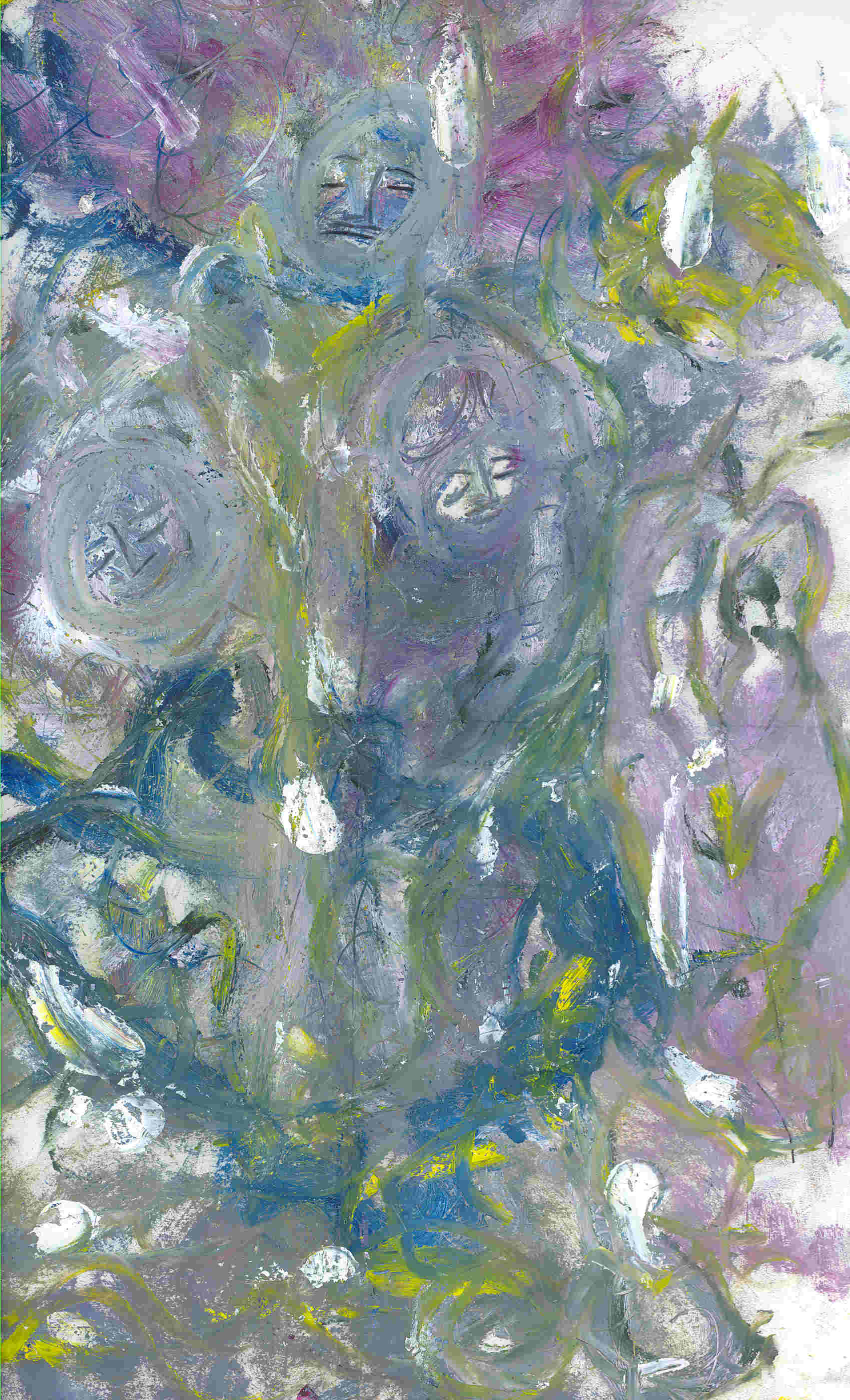 |
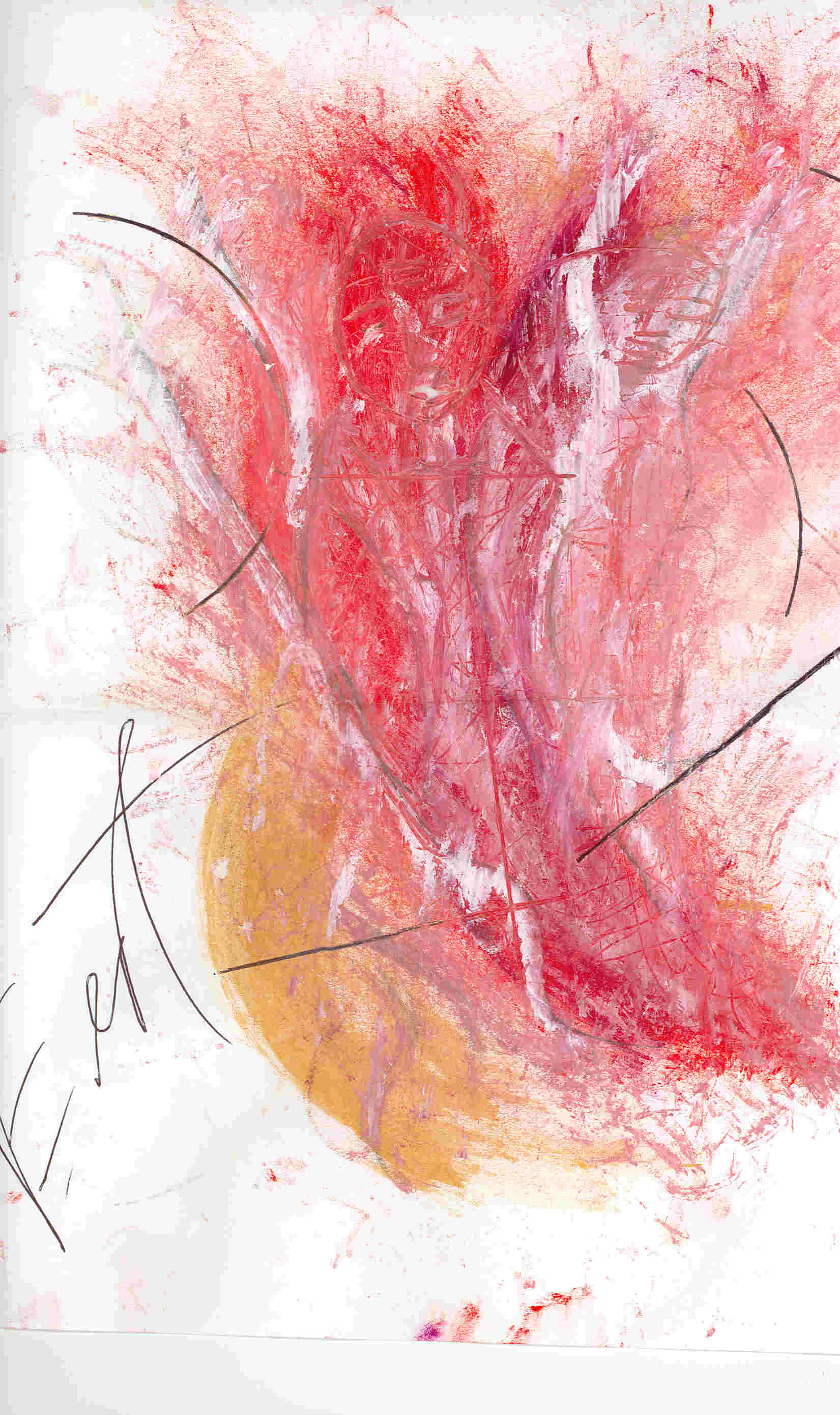 |
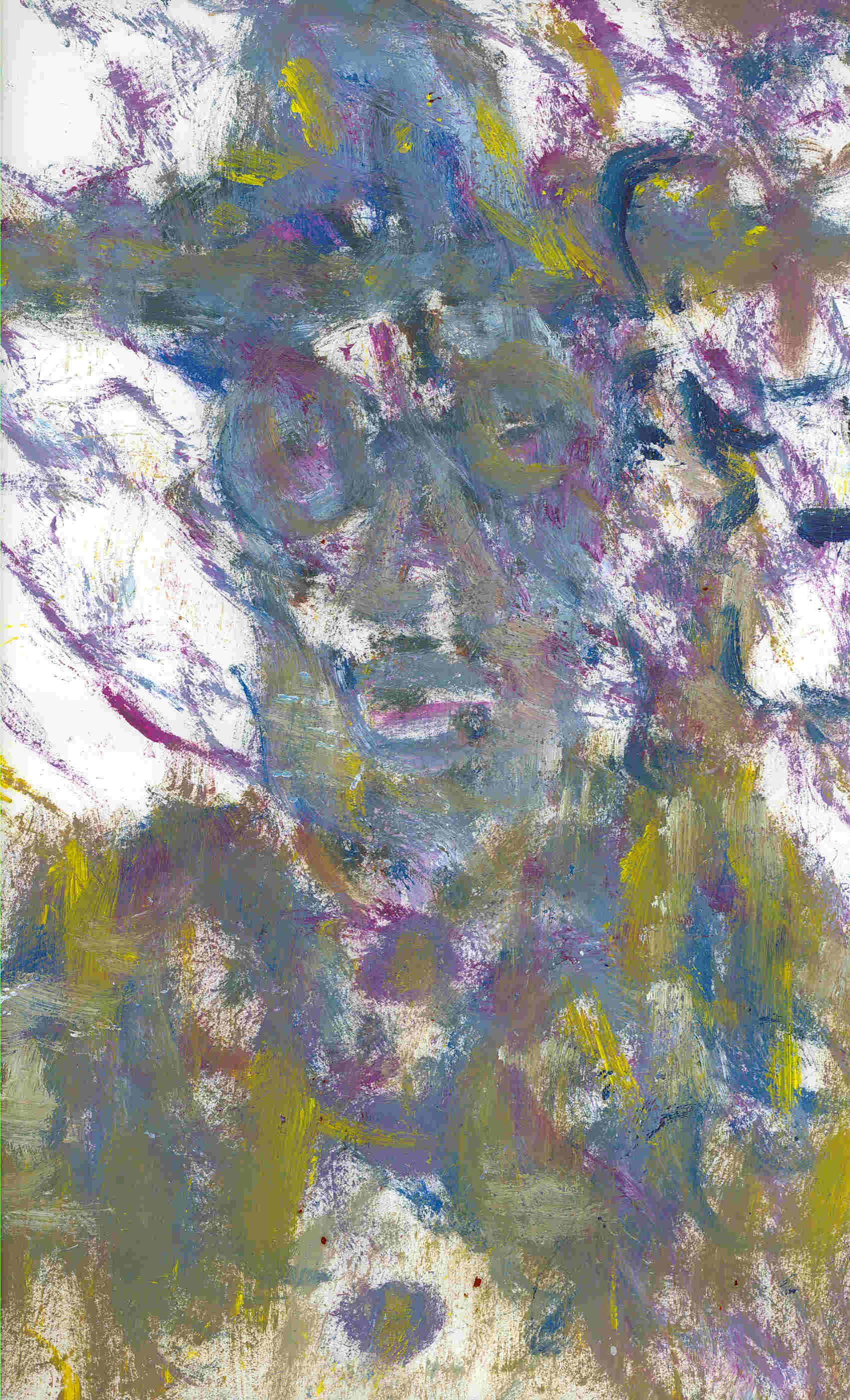 |
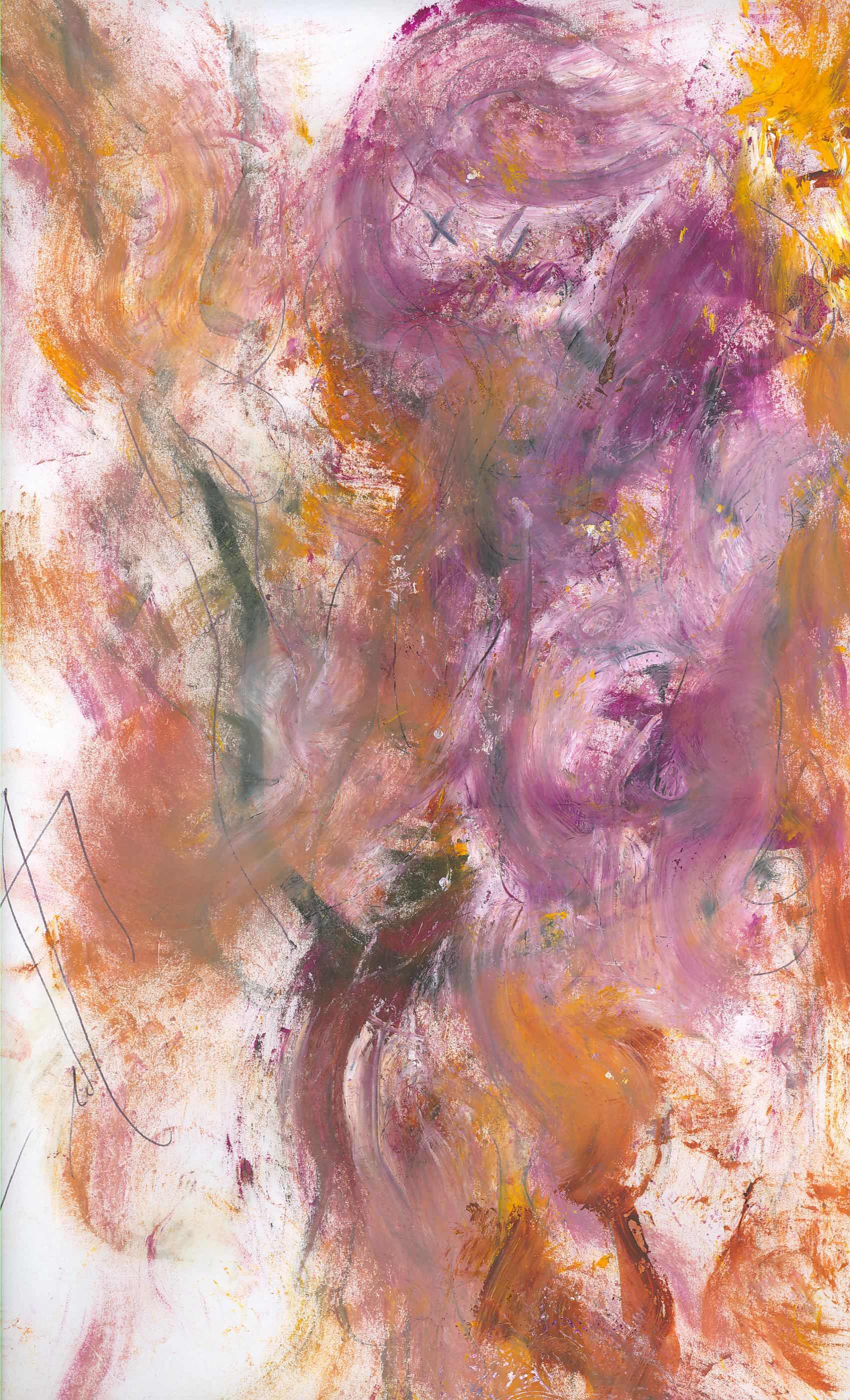 |
| American Life in Poetry: Column 133
BY TED KOOSER, U.S. POET LAUREATE, 2004-2006 It may be that we are most alone when attending funerals, at least that's how it seems to me. By alone I mean that even among throngs of mourners we pull back within ourselves and peer out at life as if through a window. David Baker, an Ohio poet, offers us a picture of a funeral that could be anybody's. Afterwards A short ride in the van, then the eight of us there in the heat--white shirtsleeves sticking, the women's gloves off--fanning our faces. The workers had set up a big blue tent to help us at graveside tolerate the sun, which was brutal all afternoon as if stationed above us, though it moved limb to limb through two huge, covering elms. The long processional of neighbors, friends, the town's elderly, her beauty-shop patrons, her club's notables. . . The world is full of prayers arrived at from afterwards, he said. Look up through the trees--the hands, the leaves curled as in self-control or quietly hurting, or now open, flat-palmed, many-fine-veined, and whether from heat or sadness, waving. American Life in Poetry is made possible by The Poetry Foundation (www.poetryfoundation.org), publisher of Poetry magazine. It is also supported by the Department of English at the University of Nebraska-Lincoln. Poem copyright (c) by David Baker, whose most recent book of poetry is "Midwest Eclogue," W. W. Norton, 2006. Reprinted from "Virginia Quarterly Review," Winter, 2004, by permission of David Baker. Introduction copyright (c) 2007 by The Poetry Foundation. The introduction's author, Ted Kooser, served as United States Poet Laureate Consultant in Poetry to the Library of Congress from 2004-2006. We do not accept unsolicited manuscripts. ****************************** American Life in Poetry provides newspapers and online publications with a free weekly column featuring contemporary American poems. The sole mission of this project is to promote poetry: American Life in Poetry seeks to create a vigorous presence for poetry in our culture. There are no costs for reprinting the columns; we do require that you register your publication here and that the text of the column be reproduced without alteration. |
 |
| Randall Rogers was born in 1961, the second of two brothers. He grew into a small but strong young lad, and excelled at swimming. At eleven years of age he won four gold medals in the regional junior Olympics. But at twelve he could not compete with the size of the fourteen year olds and lost interest in swimming and turned instead to writing and books. He is the editor of The Beatnik Cowboy. Send submissions to:
Ruamchoke Condoview 2, 37/344 M.2 Khao Pratumnak Road, Nongprue
Banglamung, Chonburi, Thailand 20150. [email protected] Ernest Williamson III is a polymath who has published poetry and visual art in over 100 online and print journals within a time span of 7 years. He holds the B.A. and the M.A. in English/Creative Writing/Literature from the University of Memphis. Ernest is now listed in the prestigious Directory of American Poets and Fiction Writers and He is also a Ph.D. Candidate at Seton Hall University in the field of Higher Education Leadership. www.eyeoftheart.com/ErnestWilliamsonIII Joseph Veronneau resides in Burlington, Vermont. He has had poems appear in the following publications: Chiron Review, Lily, Lunatic Chameleon, The Beat, Zygote In My Coffee, Thieves Jargon, The Poetry Super Highway (Poet of the Week), and many others. He also runs Scintillating Publications, a chapbook publishing press. Raymond HV Gallucci is a Professional Engineer who has been writing poetry since 1990. He is an incorrigible rhymer, tending toward the skeptical/cynical regarding daily life. He has been published in poetry magazines and on-line journals such as NUTHOUSE, FEELINGS/POETS' PAPER, M�BIUS, PABLO LENNIS, MUSE OF FIRE, SO YOUNG!, THE AARDVARK ADVENTURER,* POETIC LICENSE, THUMBPRINTS, UNLIKELY STORIES, BIBLIOPHILOS, FULLOSIA PRESS, NOMAD'S CHOIR, PABLO LENNIS, HIDDEN OAK, DANCE OF MY HANDS and DANA LITERARY SOCIETY. Bryon D. Howell is a poet currently residing in New Haven, Connecticut. He has been writing poetry for a great number of years. Recently, work of his has appeared in poeticdiversity, Red River Review and The Quirk. Amber Rothrock is a lover of animals and enjoys many outdoor activities such as gardening, hiking and fishing. Her poetry has been published or is forthcoming from The Pegasus Review, The Beatnik Cowboy, CC&D, Abbey, Ceremony, freefall and Diamond Dust. More of her writings can be found at her blog. Robert S. King has published poems in hundreds of literary journals, including The Kenyon Review, Southern Poetry Review, ELF: Eclectic Literary Forum, Midwest Quarterly, California Quarterly, Chariton Review, The Hollins Critic, Negative Capability, Blue Unicorn, Poem, Louisville Review, Chattahoochee Review, Lullwater Review, The Cape Rock, Habersham Review, Great River Review, Visions-International, Writers' Forum, Spoon River Poetry Review, etc. He has published several chapbooks: When Stars Fall Down as Snow, Garland Press, 1976; Dream of the Electric Eel, Wolfsong Publications, 1982; and Traveller's Tale, Whistle Press, 1996. He has a full-length book manuscript, Karma of a Gravedigger, seeking a publisher. He has also begun a new online/print venture: Future Cycle Poetry James Adams has studied creative writing at the University of Texas, UCLA, and the Universit� Paris IV (la Sorbonne). His poetry has appeared in several anthologies and reviews, including TimeSlice: Houston Poetry 2005, The David Jones Journal (Wales), and Five Inprint Poets. Adams' first poetry collection, Noble Savage (St. Lukes Presse, 2006) was nominated for a 2007 Pulitzer Prize and 2007 Pushcart Prize. His poems have been translated into French, Spanish, Dutch, Ukrainian, and Russian. Mike Stadnycki has been published in the Spring 2007 Daedalus ( West Chester University �s Literary Magazine) and the forthcoming July 2007 Ya�Sou! Online Journal. Mike is a Junior and Secondary Education English Major in the Honors College of West Chester University with a minor in Creative Writing. Mike plans to pursue graduate studies in creative writing. He was born and grew up in Tylersport , Pennsylvania . Melanie Simms� website is located at www.poetmelaniesimms.net. Her first book, Waking the Muse is now in distribution and available on BarnesandNoble.com among various other national and international distribution sites. Joshua Cristiano currently resides in New York City where he claims to be active in the poetry scene. He has recently received a Bachelors in English from Northeastern University and now works at an art magazine. Interests in theory have heavily influenced his poetry. Besides writing, he enjoys painting and music. |
| CONTRIBUTOR'S NOTES |
 |