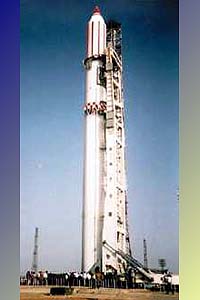
Zenit, introduced in 1985, is a liquid-fuelled launch vehicle, which was the first completely new Soviet rocket in 20 years. A new venture between NPO Yuzhnoye (Ukraine), the Boeing Commercial Space Company, Energiya (Russia) and the Norwegian shipbuilding firm Kvaerner Group now launch satellites from a converted offshore oil rig near Christmas Islands in the Pacific using the Zenit-2 booster. The launch area is at the equator, which drastically reduces the cost of injecting satellites into orbit. Zenit uses liquid oxygen and kerosene as fuel and can deliver over 30,000 pounds into Low Earth Orbit. The 2-stage version is used to deliver Space Station hardware into orbit, while the 3-stage version is used for geo-stationary missions. The Zenit launch vehicle is launched exclusively from the Baikonur Cosmodrome, one of the world's most sophisticated launch facilities. Zenit is scheduled for conversion to man-rated flight capabilities, and will replace the older Soyuz rocket. Zenit has adopted many of the attractive traits of the Tsyklon space transportation system. Zenit is highly automated and can be launched within hours of being erected on its launch pad.
Zenit Launch Vehicle - Extensive Information Page.