

Other pages include: George W. Plank
Friends of Benson
Other Benson-Related Web Sites
Return to: Welcome to the Garden Room

|
|
|
|
|
|
|
|
|
|
|
|
|
|
|
|
|
|
|
|
|
|
| The Garden Room, page three | |||||||||||||||||||||
|
|||||||||||||||||||||
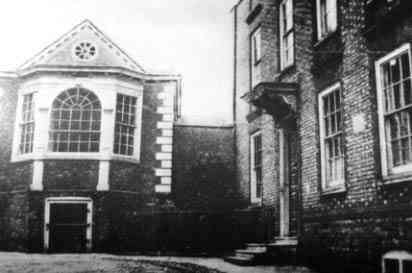
| "It was during his early years in Lamb House that E.F. Benson hit on the idea of a novel with the general setting of Rye and in particular of the house." | |||||||||||||||||||||
|
|||||||||||||||||||||
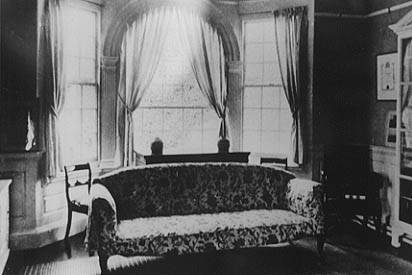
| " 'As an external observer,' he was to recall in his autobiography, 'I had seen the ladies of Rye doing their shopping in the High Street every morning, carrying large market baskets, and bumping into each other in narrow doorways, and talking in a very animated manner... I vaguely began to meditate on some design. I outlined an elderly atrocious spinster and established her in Lamb House. She should be the centre of social life abhorred and dominant, and she should sit like a great spider behind the curtains of the Garden Room, spying on her friends, and I knew that her name must be Elizabeth Mapp. Rye should furnish the topography, so that no one who knew Rye could possibly be in doubt where the scene was laid, and I would call it Tilling because Rye has its river the Tillingham.' " (Benson) | |||||||||||||||||||||
|
|||||||||||||||||||||
| "The outcome of Benson's meditation was his highly successful novel Miss Mapp, first published in 1922... Other novels which he wrote when living in the house and which to some extent were inspired by it included the 'Lucia' series from Our Lucia (1923) to Trouble for Lucia (1939)." (from "The Story of Lamb House, Rye: The Home of Henry James" by H. Montgomery Hyde, 1966, pp67068, and a quote from Final Edition by E.F. Benson, pp. 257-258) | |||||||||||||||||||||
|
|
||||||||||||||||||||
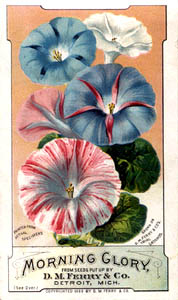
| The blue morning glory was a favorite flower of E.F. Benson. | |||||||||||||||||||||
|
|||||||||||||||||||||
| Continue to pages for: E.F. Benson Other pages include: George W. Plank Friends of Benson Other Benson-Related Web Sites Return to: Welcome to the Garden Room |
|||||||||||||||||||||
|
|||||||||||||||||||||
|
|
|||||||||||||||||||||