Embedded HMI, or Embedded Human - Machine Interface, serves as a crucial bridge between humans and machines. It enables seamless interaction, allowing users to control and monitor various embedded systems. This article delves into the various aspects of embedded HMI, exploring its definition, applications, development, and future trends.
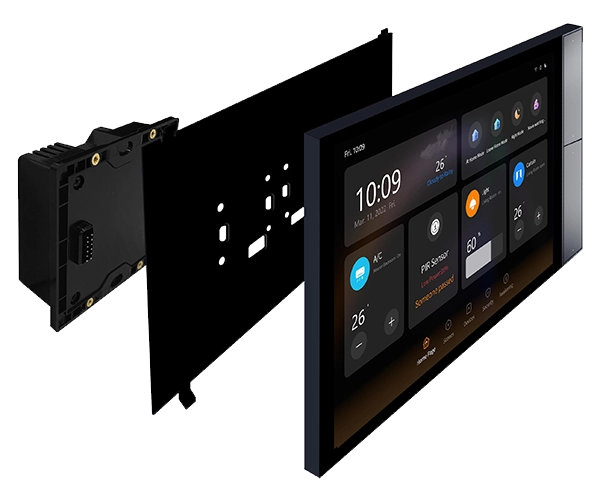
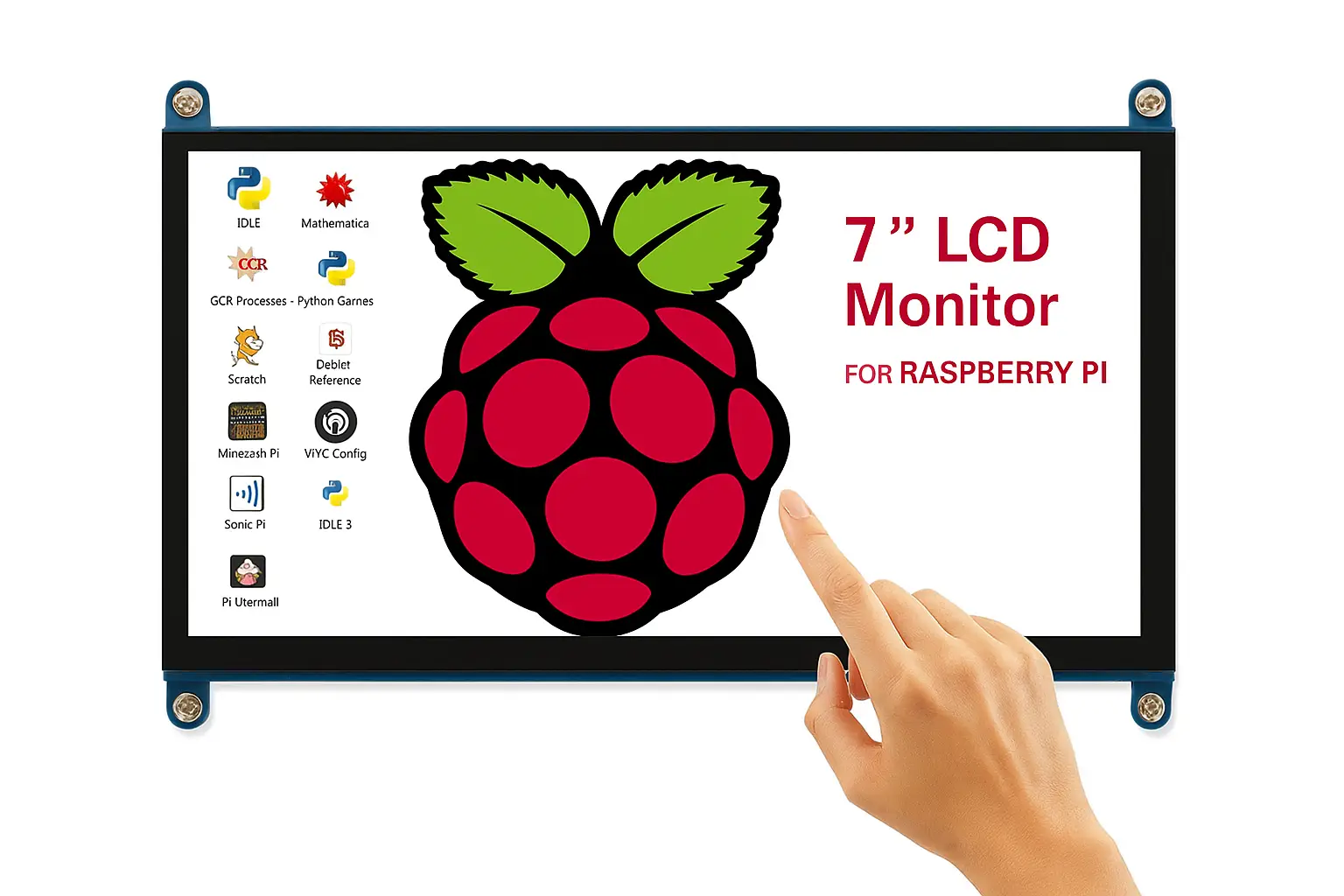
An embedded HMI is a specialized interface designed for embedded systems. These systems are often dedicated to specific tasks and are embedded within larger devices. The HMI provides a user - friendly way to interact with these systems, presenting information in an understandable format and accepting user inputs. It can range from simple displays with basic buttons to complex touch - screen interfaces with high - resolution graphics. The key concept is to make the interaction between the user and the embedded system as intuitive and efficient as possible.
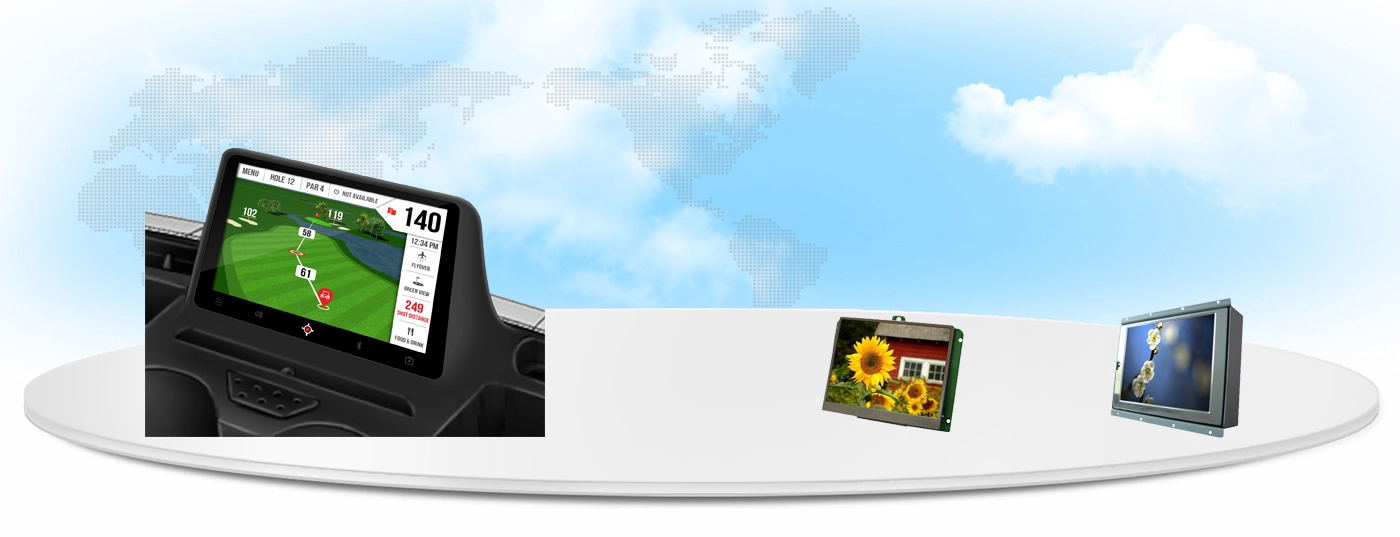
Embedded HMI has a wide range of applications across different industries. In the automotive industry, it is used in car dashboards, allowing drivers to control various functions such as navigation, entertainment, and vehicle settings. In industrial automation, embedded HMIs are used to monitor and control manufacturing processes, providing real - time data on machine status and performance. In home appliances, they enable users to easily operate devices like washing machines, refrigerators, and smart thermostats. Medical devices also benefit from embedded HMIs, providing healthcare professionals with a way to monitor patient data and control equipment.
The development of an embedded HMI involves several steps. First, requirements analysis is crucial to understand the needs of the end - users and the functionality of the embedded system. Then, the design phase focuses on creating an interface that is both visually appealing and easy to use. This includes choosing appropriate colors, fonts, and layout. Next, the development team selects the hardware and software platforms. For hardware, factors such as display size, resolution, and input methods need to be considered. Software development involves programming the interface to respond to user inputs and display relevant information. Finally, testing is carried out to ensure the reliability and usability of the embedded HMI.
The future of embedded HMI looks promising. With the advancement of technology, we can expect more intuitive and immersive interfaces. For example, the use of augmented reality (AR) and virtual reality (VR) in embedded HMIs may become more widespread, providing users with a more engaging experience. Voice - controlled interfaces are also likely to become more common, allowing users to interact with embedded systems hands - free. Additionally, as the Internet of Things (IoT) continues to grow, embedded HMIs will play a key role in connecting and controlling various smart devices.