


The film Text copyright Filmverdict 2006. Any film stills are copyright of their respective owners. Used without permission, sorry!
Francis Ford Coppola and Gene Hackman are two of the most symbolic figures of the movie-brat era for their iconic associations with The Godfather (1972) and The French Connection (1971), respectively. One could be forgiven in thinking that neither worked on this remarkably intelligent thriller because other works from the two show hardly any resemblance aside from the obvious and consistent quality. Film historians and connoisseurs will realise the diversity of the 1970s, when top filmmakers and stars could move from showpieces to quasi-independent films, master-stroking their way to success on every rung. Made in the same year as the second instalment of cinema's most famous gangster trilogy, The Godfather: Part II, Coppola treats audiences to a wonderfully directed story of surveillance and paranoia. In one of his greatest roles, Hackman's Harry Caul oozes the Big Brother syndrome from every pore in his quest to undertake his job as a professional eavesdropper, vying with his conscience to be guilt-free from the ramifications spawned from the information he is privy to.
An excellent support cast is also assembled with John Cazale, a pre-fame Harrison Ford and an uncredited Robert Duvall among the actors complimenting an outstanding Hackman. David Shire's bluesy main theme captures the isolation of Caul perfectly whilst Coppola takes care of the ending, making the audience wonder whether the plot makes for an allegorical or fantastical film.
The extras
As with all Coppola commentaries, we are treated to a relatively insightful effort and the single featurette is moderately entertaining.
The summary
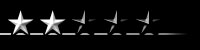
Coppola leaves his usual epic-standard cinematic weapons at home for this excellent claustrophobic and almost ethnographic film featuring a superb Gene Hackman.