


Explore Colombo’s Iconic Landmarks
From historic sites to modern marvels, Colombo offers a rich tapestry of experiences.

Influences of Portuguese, Dutch, and British.
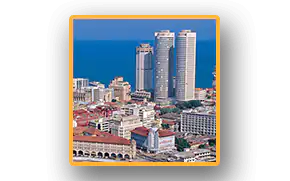
Strategic location for international commerce.
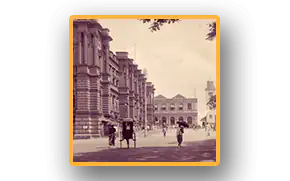
From colonial city to modern capital.
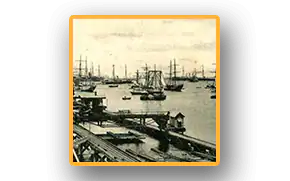
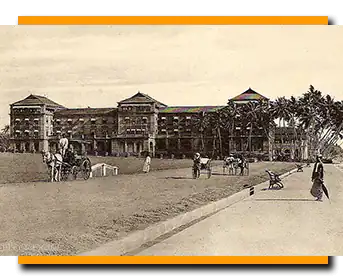
Colombo’s history is deeply intertwined with colonialism, having been ruled by the Portuguese, Dutch, and British over several centuries. The Portuguese arrived in 1505, followed by the Dutch in 1656, and the British in 1796. Each colonial power left its mark on the city’s architecture, culture, and economy. The Dutch built forts and canals, while the British constructed roads, railways, and iconic buildings like the Old Parliament. This colonial history is visible in Colombo’s streets, landmarks, and cultural practices. Today, Colombo serves as a blend of colonial past and Sri Lankan heritage.
Colombo’s strategic location on the western coast of Sri Lanka made it a vital trading port for centuries. Even before the arrival of colonial powers, the city was an important hub for international trade, serving as a stop for merchants from the Middle East, India, and Southeast Asia. The port has historically been known for exporting spices, gems, and cinnamon, which were highly prized by traders. Colombo’s reputation as a key trade center continued under the Portuguese, Dutch, and British, with the city growing into the country’s commercial and economic powerhouse by the 19th century.
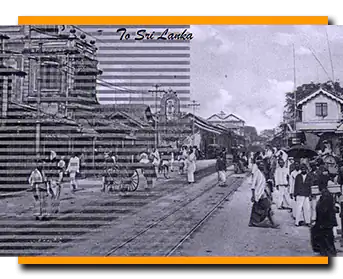
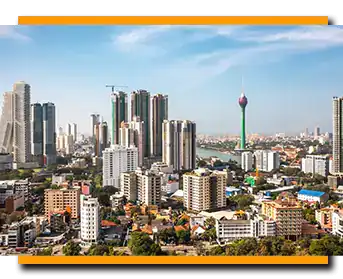
After gaining independence from British rule in 1948, Colombo underwent significant transformation. The city became the capital of Sri Lanka and played a central role in the country’s political and economic development. Over the decades, Colombo saw rapid urbanization, infrastructure development, and modernization. New neighborhoods, high-rise buildings, and shopping districts began to reshape the city’s skyline. While preserving its colonial heritage, Colombo embraced modernity with business hubs, luxury hotels, and international influences. Today, Colombo is not only Sri Lanka’s political and commercial heart but also a symbol of the nation’s resilience and growth since independence.
Colombo, like much of Sri Lanka, was deeply affected by the Sri Lankan Civil War, which lasted from 1983 to 2009. The conflict between the government and the Tamil Tigers (LTTE) led to political and social unrest, with the city experiencing occasional violence and bombings. The most notable event was the "Black July" riots of 1983, where anti-Tamil violence erupted across the country, including in Colombo. Following the end of the war in 2009, the city began a process of rebuilding and recovery, focusing on infrastructure development and healing from the long-standing effects of the conflict.
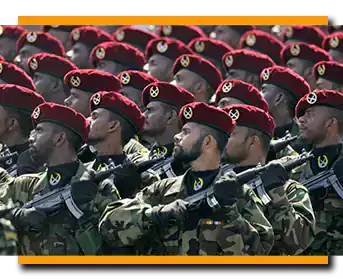

Discover Colombo, the vibrant capital of Sri Lanka, where modern skyscrapers stand alongside historic places. Explore the city's rich culture, and cuisine, making it a must-visit destination for any travel enthusiast.
© Discover Colombo

