
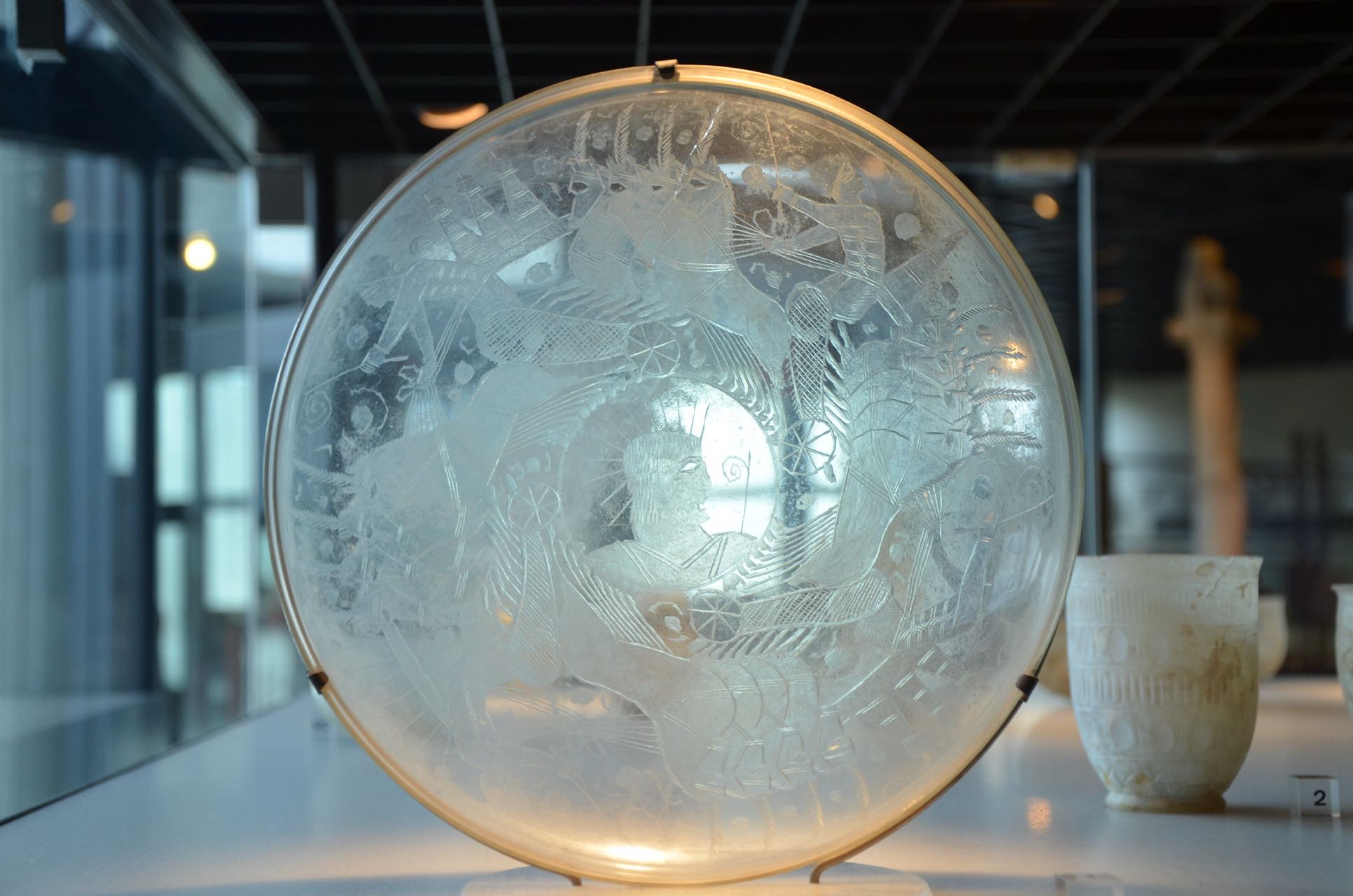
The Roman-Germanic Museum (Römisch-Germanisches Museum) in Cologne, Germany, is a captivating destination for history enthusiasts and those curious about the ancient world. Located near the Cologne Cathedral, this museum is dedicated to the rich Roman and early medieval heritage of the region. Established in 1974, the museum offers a comprehensive collection of artifacts that illuminate the daily life, culture, and art of ancient Cologne, known as Colonia Claudia Ara Agrippinensium during Roman times.
One of the museum's most iconic exhibits is the Roman Mosaic of Dionysus, an intricate floor mosaic dating back to the 3rd century AD. Discovered during excavation work in the 1940s, this masterpiece showcases the high level of artistry achieved by Roman craftsmen. The mosaic, which features the god Dionysus surrounded by mythological scenes, serves as a central attraction and offers insight into the luxurious lifestyle of Roman Cologne's elite.
The Roman-Germanic Museum houses an extensive array of artifacts from the Roman and early medieval periods. The museum's collection includes everyday items such as pottery, glassware, and tools, as well as luxury goods like jewelry, coins, and sculptures. Among the most notable pieces is the world's largest collection of Roman glass vessels, showcasing the craftsmanship and innovation of ancient glassmakers.
Another highlight is the reconstructed Roman tomb of Poblicius, a monumental funerary monument from the 1st century AD. The museum also features a wide range of inscriptions, military equipment, and religious artifacts, providing a comprehensive view of life in Roman Cologne.
In addition to its Roman collections, the museum also explores the early medieval period, offering insights into the cultural transitions that occurred after the fall of the Roman Empire. Visitors can explore exhibits featuring Frankish and Merovingian artifacts, including weapons, jewelry, and religious items. These collections highlight the fusion of Roman traditions with the emerging Germanic culture.
The Roman-Germanic Museum is not only a place for public exhibitions but also a center for archaeological research and education. The museum offers a variety of educational programs, including guided tours, workshops, and lectures, designed to engage visitors of all ages. These programs aim to deepen the understanding of Cologne's ancient history and the broader Roman-Germanic cultural exchange.
Conveniently located in the heart of Cologne, the Roman-Germanic Museum is easily accessible by public transportation. The museum offers facilities such as a gift shop, where visitors can purchase replicas of artifacts, books, and souvenirs. The museum's architecture, featuring large glass walls, allows for natural light to illuminate the exhibits, enhancing the viewing experience.
The Roman-Germanic Museum in Cologne is a treasure trove of ancient history, offering a fascinating journey through the Roman and early medieval periods. With its rich collection of artifacts, educational programs, and research initiatives, the museum provides invaluable insights into the cultural and historical heritage of the region. Whether you're a history buff or a casual visitor, the Roman-Germanic Museum offers a compelling glimpse into the past, making it a must-visit destination in Cologne.