
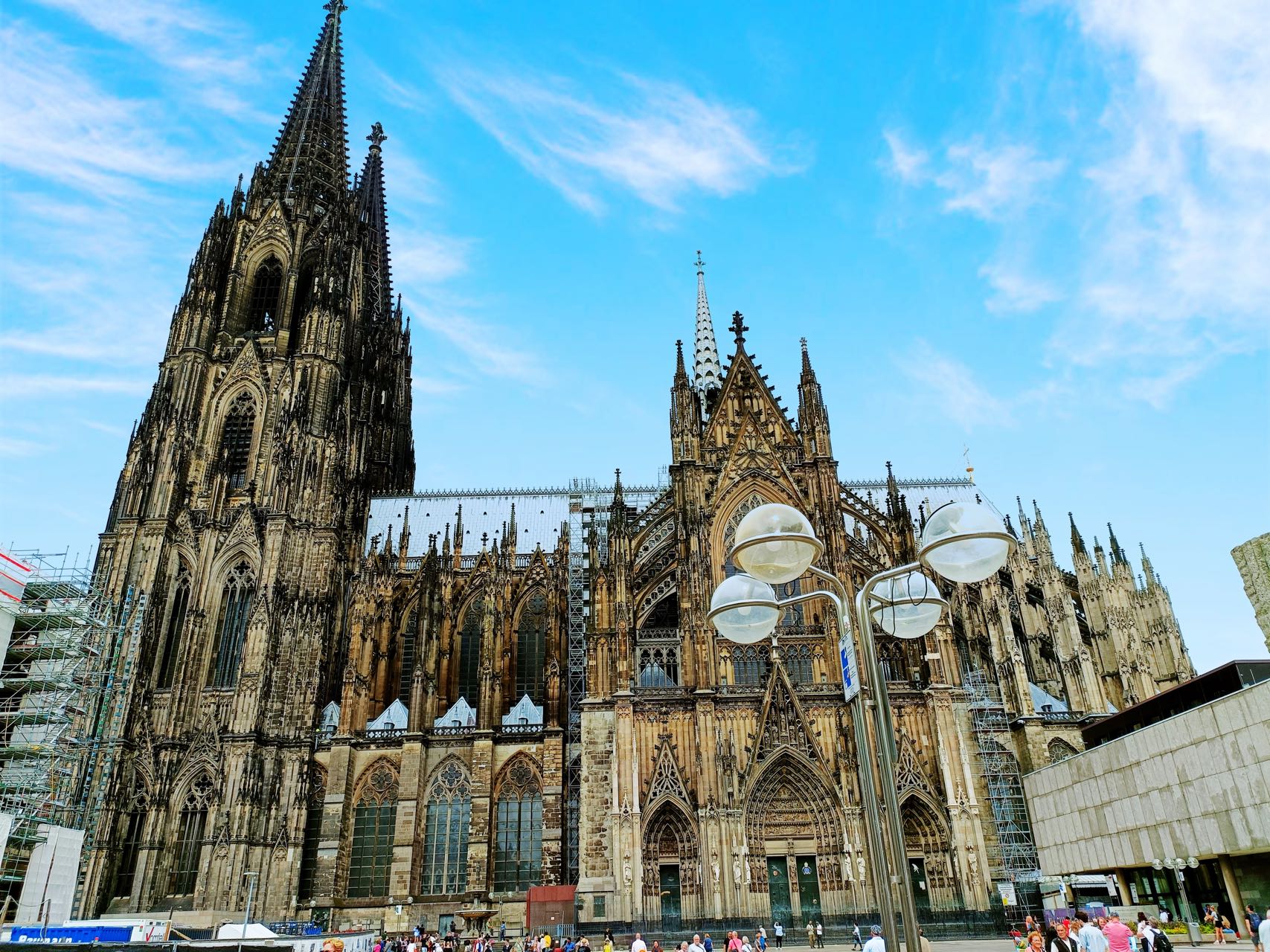
Cologne Cathedral, known as "Kölner Dom" in German, is not just a landmark; it's a living testimony to human perseverance, faith, and architectural genius. Located in the heart of Cologne, Germany, this UNESCO World Heritage Site attracts millions of visitors each year, all eager to witness the grandeur of one of the most iconic Gothic cathedrals in the world.
The story of Cologne Cathedral is as dramatic as its soaring spires. The construction began in 1248, motivated by the desire to house the relics of the Three Kings, which had been brought to Cologne in the 12th century. This ambitious project was intended to create a pilgrimage site of unmatched splendor. However, the construction process was far from straightforward. Financial difficulties, changing tastes in architecture, and wars led to several interruptions. Remarkably, it wasn't until 1880—over 600 years after the first stone was laid—that the cathedral was finally completed.
Cologne Cathedral is a quintessential example of Gothic architecture, characterized by its pointed arches, ribbed vaults, and flying buttresses. The twin spires, which reach a height of 157 meters, were the tallest structures in the world until the completion of the Washington Monument. These spires are not only a marvel to behold but also a testament to the innovative engineering techniques of the time.
The interior of the cathedral is equally breathtaking. The vast nave, with its soaring ceilings and intricate stained-glass windows, creates a sense of awe and reverence. The most famous of these windows is the "Richter Window," a modern addition by artist Gerhard Richter, which adds a contemporary touch to the historic space. The window's abstract design, featuring 11,500 squares of colored glass, reflects the light in mesmerizing patterns, creating a kaleidoscope of colors that dance across the stone walls.
Beyond its architectural beauty, Cologne Cathedral holds immense cultural and religious significance. As the seat of the Archbishop of Cologne, it has been a central place of worship for centuries. The cathedral's treasures include the Shrine of the Three Kings, an ornate reliquary said to contain the remains of the biblical Magi. This has made the cathedral a major pilgrimage destination for Christians around the world.
Moreover, Cologne Cathedral has played a pivotal role in the city's history. It has witnessed countless events, from imperial coronations to modern-day celebrations. During World War II, despite the extensive bombing of Cologne, the cathedral miraculously remained standing, albeit with some damage. Its survival became a symbol of hope and resilience for the people of Cologne.
Today, Cologne Cathedral stands as a beacon of history, culture, and spirituality. Visitors can explore its many facets, from the medieval craftsmanship of the choir stalls to the breathtaking views from the observation deck. Climbing the 533 steps to the top of the South Tower is a rewarding experience, offering panoramic views of the Rhine River and the cityscape of Cologne.
The cathedral is not just a historical monument; it is a living, breathing part of the community. It hosts regular services, concerts, and special events, making it a vibrant center of cultural life. The cathedral's museum, located in the adjacent Cologne Cathedral Treasury, houses a collection of invaluable artifacts, including liturgical vestments, precious reliquaries, and medieval sculptures.
Cologne Cathedral is more than just an architectural masterpiece; it is a symbol of the enduring human spirit. Its towering presence serves as a reminder of the power of faith, the beauty of art, and the richness of history. Whether you are an architecture enthusiast, a history buff, or a spiritual seeker, a visit to Cologne Cathedral is an experience that leaves a lasting impression. It is a place where the past meets the present, and where the divine meets the earthly, in a timeless dance of stone and light.