Year of the Outback 2006

 |
 |
 |
Year of the Outback 2006
|
|
|
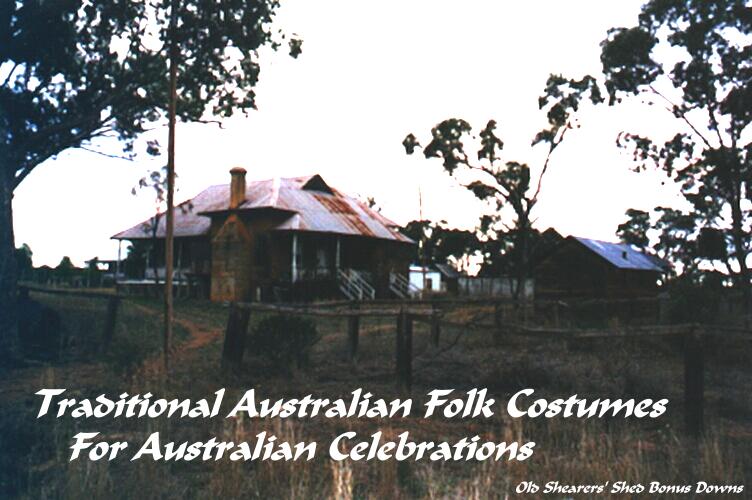
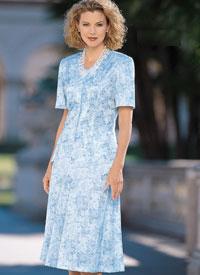
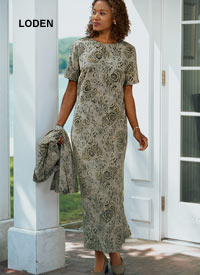
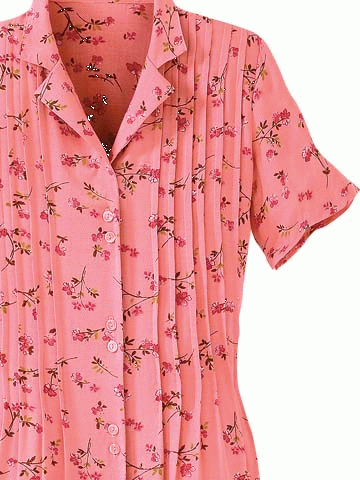
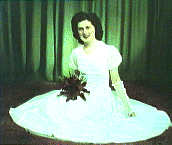
We are encouraging everyone in Australia to celebrate the Year of the Outback during 2006 by wearing our National Folk Costume during events in your district. It isn't easy to find genuine items of Australian Folk Clothing. "Dryzabone" may wish everyone to believe that the oilskin raincoat is our only folk costume, but there are many other items. Women wore dresses according to current fashions of the time. Cotton print dresses, of conservative design, were very popular:
 |
 |
 |
 |
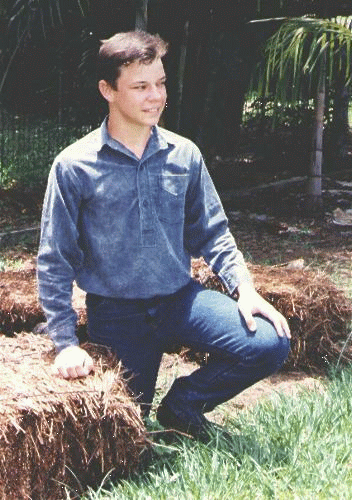
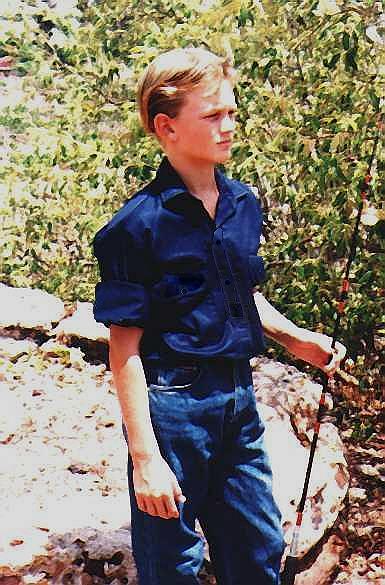
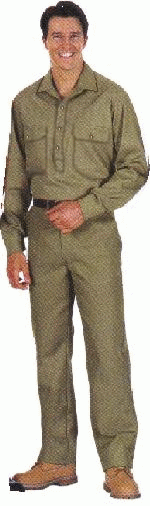
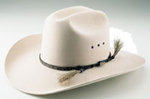
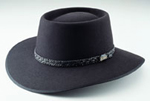
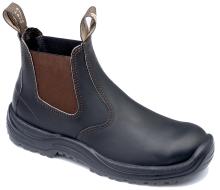
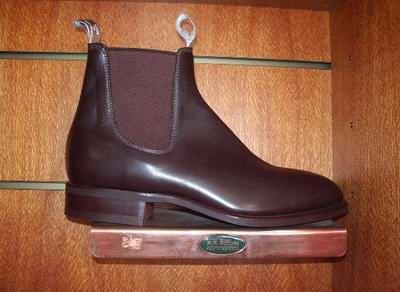
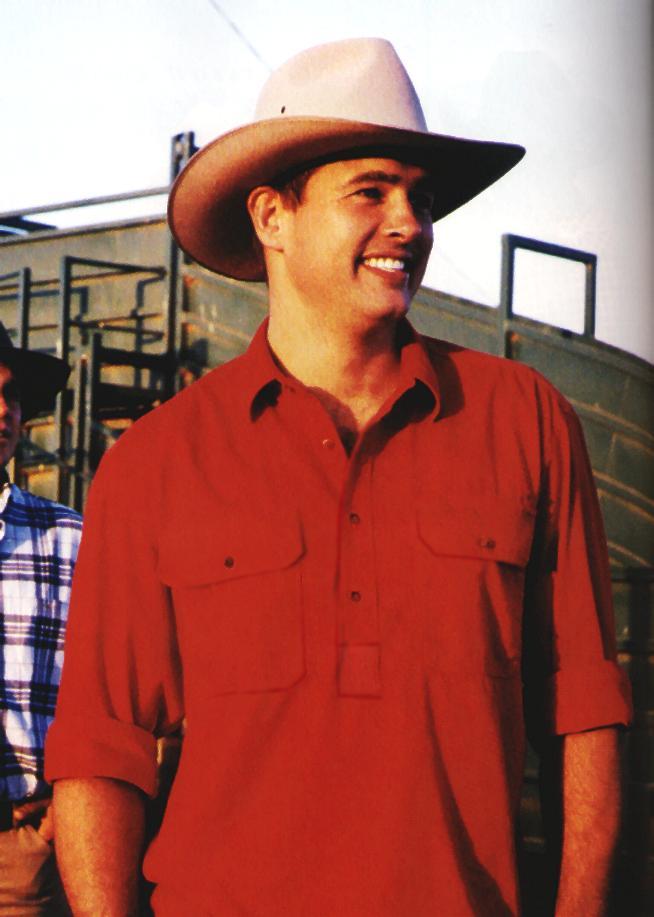
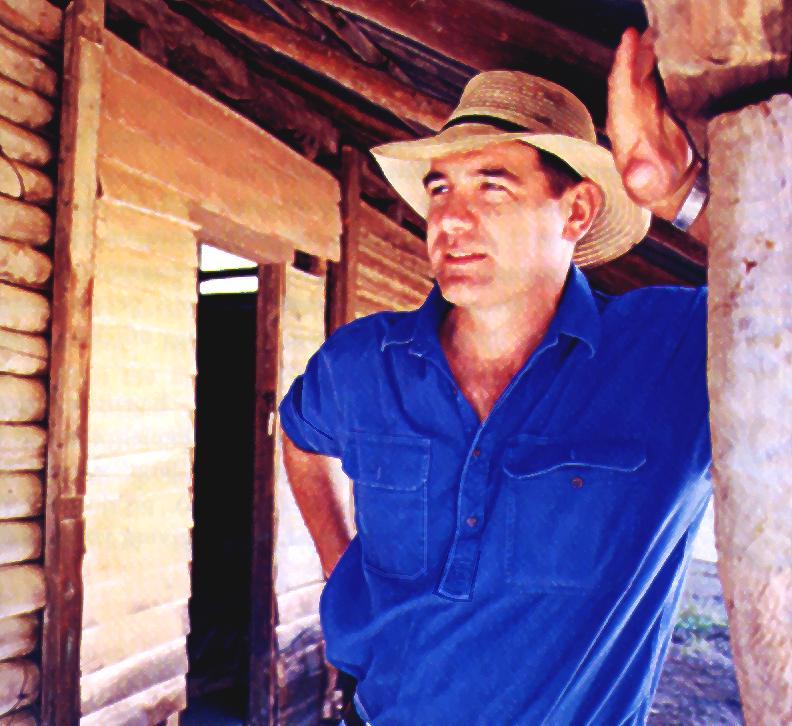
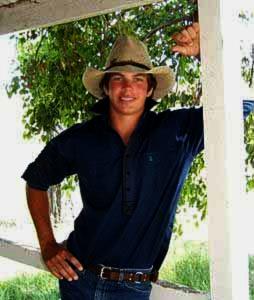
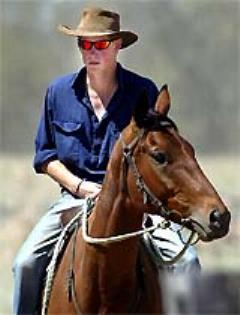
Felt hats were popular with the men, usually they were Akubra hats. Boots were usually elastic sided, such as made by R.M.Williams or Blundstone. And for other items, such as the closed front, long sleeved, shirts, one can choose from Yakka or from CTE (formerly, Can't Tear 'em) shirts.
 |
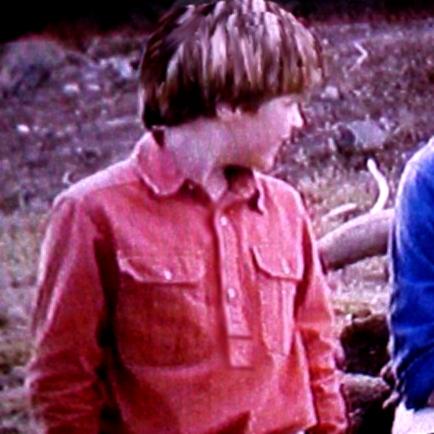
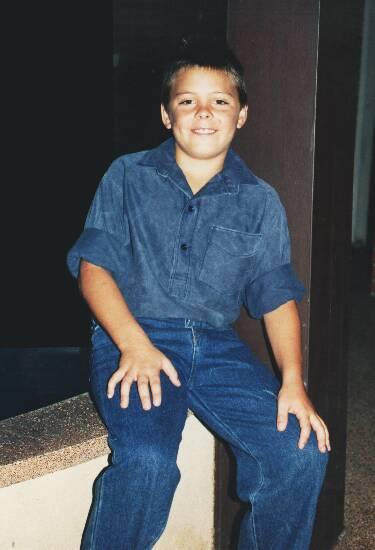
Some of the older shirt styles had
single pockets.
|
 |
 |
Hats and boots come in many different styles and colours.
 |
 |
 |
 |
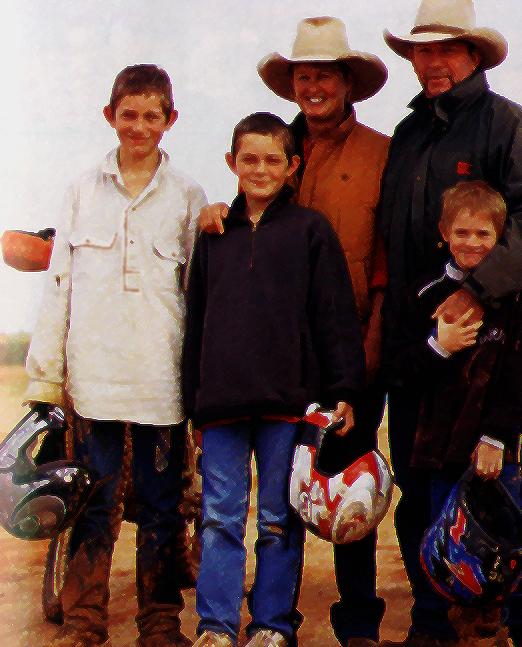
Aboriginal people had their own special costumes. Look on Google for examples. They haven't been placed on this site because some of the photos may be of deceased persons, or of sacred costumes that can't be shown publicly. From a colonial point of view, The only clothing that could be described as �typically Australia� was worn by country people. Both men and women made known their status and role in society by the style of their clothing. This was a �continuing and constantly shifting aspect of colonial life�. There was more contrast between everyday dress of the upper classes and some subcultures than that of the working class. To some extent, this is true today. Outback families often wear distinctly 'Country' styles of clothing when visiting towns for district shows, cattle sales, and other events.
 |
 |
 |
Acknowledgements:
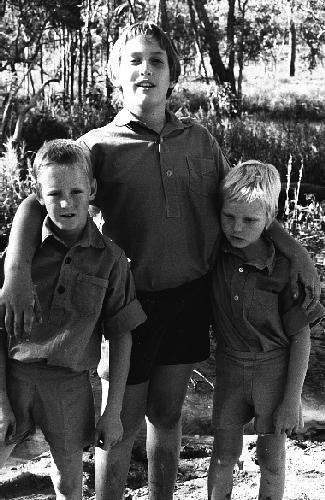
Many of the photos came from RMW Catalogues and the magazine "Outback". Others come from the relevant sites which are linked for internet use. Some of the photos are mine. This is not an official "Year of the Outback" site. Please support the fine products that are endorsed by the official Year of the Outback organisation, and if it is raining, wear a Dryzabone raincoat. I'm hoping a lot of Aussies will return to traditional styles for this important celebration.
 |
Links:
For those who enjoy sewing, there is an e-book on how to make traditional bush shirts here: Another site for bush clothing is Dust 'n' Boots which has a large variety of modern as well as traditional styles. Specify the CLELAND style when ordering traditional shirts.
|
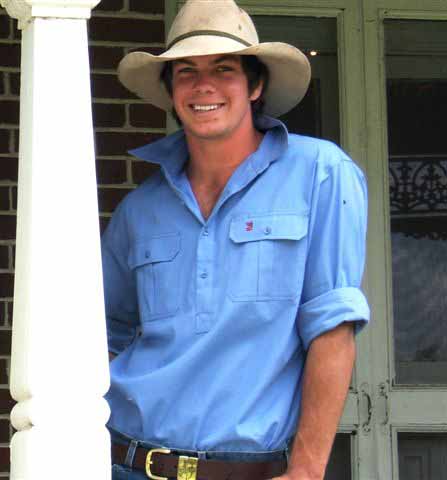 |
The interesting fact is, that this style of shirt has a history spanning more than a thousand years. It was the style favored by the Prophet Mohammed during his lifetime. At that time, it was called "The Long Shirt" because it hung down, almost to the ankles. It was worn across the middle east as far as India.
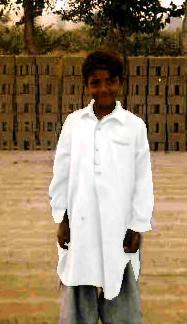 |
Buttons
were used for fastening, and the Mohammedans invented the closed front
shirt with the attached collar. The shirts are still widely used in
Afghanistan and Pakistan, even today.
How did this become the universal shirt style? Well the British invaded India and took it over. They needed shirts for their soldiers. You see, in England, shirts were a sort of under-garment. A gentleman always wore a waistcoat and overcoat on top of his shirt, but India was so hot, that they had to remove these outer garments. The shirts they had, were loose and blousy things with a front slit closed by tapes. They were most unsuitable for wearing in the tropics. So the army purchased Afghan style shirts, but got the Indian tailors to make a shorter style that could be tucked into the trousers. At that time, the cotton industry was just taking off in India, and the new style of shirts were traded all over the world. They were found in Africa, Australia, America, and Europe. They are still around today, It is a style that is 1500 years old.
|
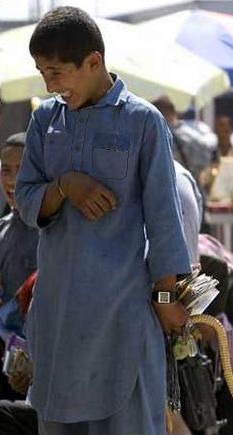 |
Afghan traders came to Australia
and serviced inland towns and stations. They brought shirts and trousers
for the stockmen. In those days, the closed front style shirt was the
norm., Indeed, open or full button placket shirts were frowned upon as
being slightly 'indecent'. After World War 2, open fronted shirts
began to appear in Australia, advertised as "American style Coat
Fronted shirts". So the open front shirt is really American in
style, and not traditionally Australian.
During World War 2, the Australian army adopted a khaki version of the shirt, with epaulettes and two breast pockets. Australian commandos wore the same in Navy-blue. The shirt became an Australian icon garment when Australians began to realise that we do have clothing that can be considered as "Folk Wear". Indeed, our film industry is not slow to realise that if you wish to make a character look 'really Australian' he wears the traditional C.Fr. Long sleeved shirt. Recently, a new use has been found for the C.Fr. style shirt. It has been found that the style affords a very high level of protection against Ultra-violet radiation. especially when made of dark colored, heavyweight, cotton drill fabrics. They are also cooler to wear in the heat, because the C.Fr. design encourages air to move around the chest and neck - the body's natural radiator, unlike open fronted shirts that allow hot air in to flow around the body. Well, the Mohammedans knew that a thousand years ago. |
Click on the banner to visit the official "Year of the Outback 2006" site and give them your support. They will soon have fine merchandise for you to purchase as a memento of this fabulous year.


Search Engine Optimization and Free Submission