
 Source
Fossil fuels contain between 1 and 4% sulphur. As a result,
there are around 30 million tonnes of sulphur dioxide [SO2(g)]
emitted in Europe each year. The major sites of emission includes power station
and metal smelters in which use coal as their fuel.  Manufacturing
industries often use fuel oil with high sulphur content.
Manufacturing
industries often use fuel oil with high sulphur content.
Diesel of heavy vehicles generates much sulphur dioxide. In the mainland, the sulphur content of diesel is not as low as that in Hong Kong. Therefore the cross-border container vehicles imposes much air pollution.
Health Effects
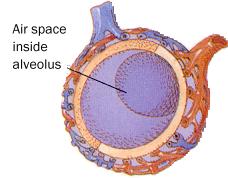 Sulphur
dioxide causes irritation of the respiratory system. It affects mainly
the upper respiratory tract. It can attach to particles forming acidic coatings
that damages the epithelial lining of the alveoli. It may also aggravate
asthma attack.
Sulphur
dioxide causes irritation of the respiratory system. It affects mainly
the upper respiratory tract. It can attach to particles forming acidic coatings
that damages the epithelial lining of the alveoli. It may also aggravate
asthma attack.
The gas reduces the growth of many plants, e.g. barley, wheat, lettuce, while others such as lichens may be killed. So the tolerance of lichen and moss species to sulphur dioxide isvery valuable and they serve as the indicator species for measuring sulphur dioxide pollution.
Social Effects
Sulphur dioxide has the following benefits:
However, it dissolves in water to form acid rain. (Click here to know more about acid rain.)
Related Topics
I would love to hear your comments. Please e-mail to [email protected]