Fluorine
Fluorine is the chemical element with symbol F and atomic number 9. It is the lightest halogen and has a single stable isotope, fluorine-19. At standard pressure and temperature, fluorine is a pale yellow gas composed of diatomic molecules, F2. Fluorine is the most electronegative element. It is also the most reactive of all the elements, requiring great care in handling. The compounds of fluorine are called fluorides.
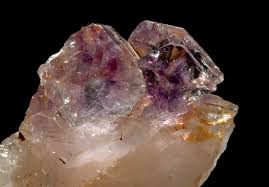
In stars, fluorine is rare compared to other light elements. In Earth's crust, fluorine is the thirteenth-most abundant element. Fluorine's most important mineral, fluorite, was first formally described in 1529 in the context of smelting. The mineral's name derives from the Latin verb fluo, meaning "flow", because fluorite was added to metal ores to lower their melting points. Suggested as a chemical element in 1811, fluorine was named after the source mineral. The dangerous element resisted many attempts to isolate it, but in 1886, French chemist Henri Moissan succeeded. His method of electrolysis remains the industrial production method for fluorine gas. The largest use of elemental fluorine, uranium enrichment, was developed during the Manhattan Project.