Earth's Peak
What is a Volcano???
A volcano is simply an opening in our planet crust through which magma can get out. Volcanoes take many shapes and sizes; they are not just the typical cone shaped volcano we often see portrayed.
The term volcano actually comes from Vulcano, an Italian volcanic island, which was named after Vulcan, the Roman god of fire. Ancient civilizations, such as the Greeks and Romans, used to believe that volcanoes were caused by the actions of the gods or other supernatural events.
Different Types of Volcano
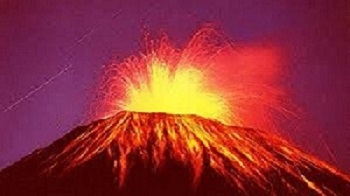
Stratovolcanoes
Many of Earth's most beautiful mountains are stratovolcanoes also referred to as composite volcanoes. The stratovolcanoes are made up of layers of lava flows interlayed with sand.
Read More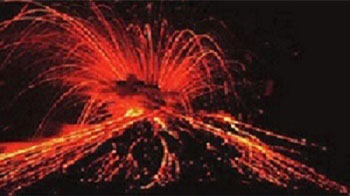
Shield Volcanoes
This type of volcano can be hundreds of miles across and 10,000 feet high.The shield volcanoes are almost entirely composed of relatively thin lava flows built up over a central vent.
Read More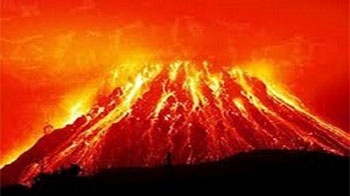
Super Volcanoes
While ordinary volcanoes can kill thousands of people and destroy entire cities, scientists believe that a supervolcano explosion is big enough to affect everyone on the planet.
Read More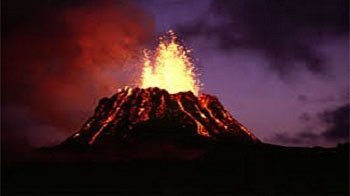
Cinder Cone Volcanoes
As you might expect from the name, these volcanoes consist almost entirely of loose, grainy cinders consisting typically of basaltic and andesitic material and almost no lava.
Read More