|
|
|
|
|
|
|
|
|
|
|
|
|
|
|
|
|
|
|
|
|
|
|
|
|
|
|
|
|
|
|
|
|
|
|
|
|
|
|
|
|
|
|
|
|
|
 |
|
|
|
 |
|
|
|
 |
|
|
|
|
|
|
|
|
|
|
|
|
|
|
|
 |
|
|
|
Value Engineering (VE)
Tooling Project |
|
|
|
|
|
Summary: |
|
|
|
|
|
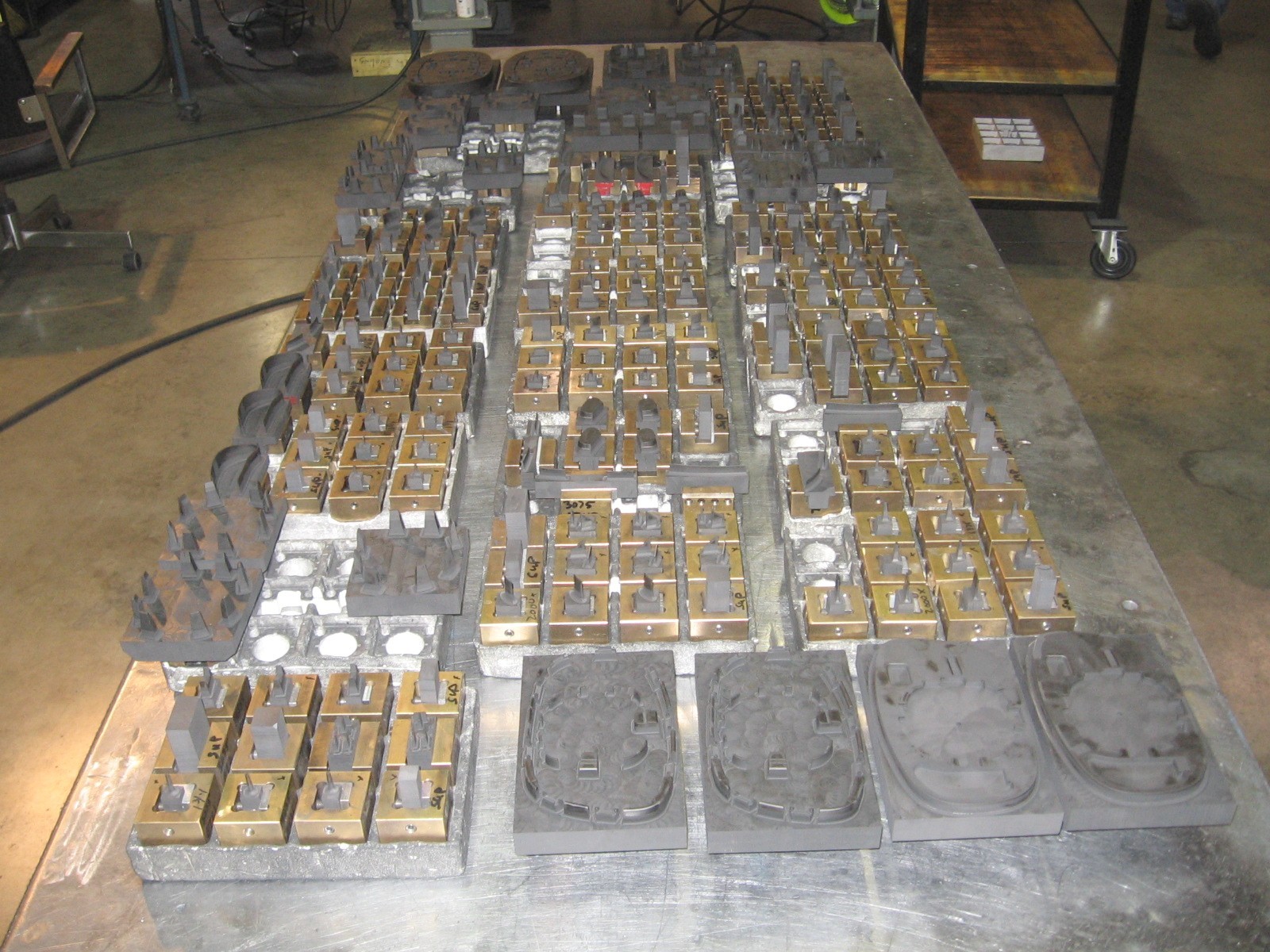
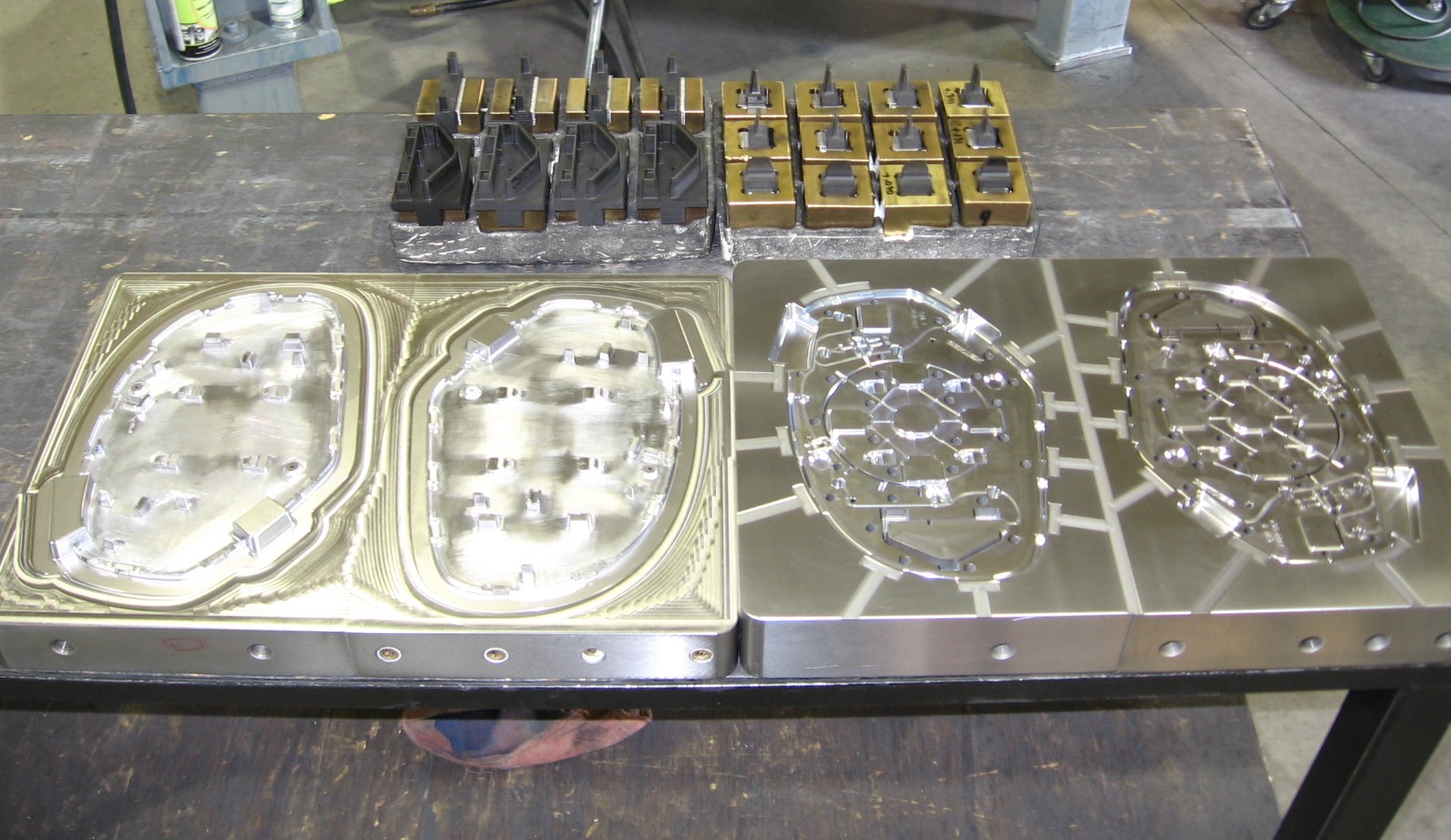
While I Gentex, I led a team to change part designs to accommodate high-speed (HS) machining of plastic injected part molds. Prior to this change, each tool would include dozens of electrical discharge machining (EDM) electrodes. On average, this saved about $8K to $10K per tool depending on the complexity of the design. Gentex typically releases 20-30 such tools per year, for a cost savings in excess of $250,000 per year.
Not only does HS machining save on electrodes, but it also saves on other areas of the tool build. Less time �spotting� the tool: making sure all the shutoffs fit tight so there is no flash. Our molders say this saves them about 6 to 8 hours per tool.
Also less polishing is needed because the high-speed (HS) mill leaves a better steel finish than the EDM. |
|
|
|
|
|
|
|
|
|
|
|
|
|
VE Benefits: |
|
|
|
|
|
Reduction in the amount of electrode material. |
|
|
|
|
|
|
|
|
|
|
|
|
|
Reduction in the amount of time spent cutting electrodes. |
|
|
|
|
|
|
|
|
|
|
|
|
|
Reduction in the amount of EDM burning. |
|
|
|
|
|
|
|
|
|
|
|
|
|
Reduction in the amount of polishing. |
|
|
|
|
|
|
|
|
|
|
|
|
|
Reduction in the amount of spotting. |
|
|
|
|
|
|
|
|
|
|
|
|
|
Typical tool build electrode assortment |
|
|
|
|
|
 |
|
|
|
|
|
Tool build electrodes after cost-save |
|
|
|
 |
|
|
|
|
|
|
|
|
|
|
|
|
|
|
|