Medical conditions of menopause
Some women don't have any symptoms during menopause or only have a few symptoms. Others develop disturbing and even severe, disabling symptoms. Studies of women around the world suggest that differences in lifestyle, diet and activity may play a role in the severity and type of symptoms women have during menopause. Symptoms can be noticed for several months to years before the last menstrual period and can continue for several years after. A woman can have irregular periods for several months to years before her periods finally stop. Any vaginal bleeding that develops after a year of no periods is abnormal and should be evaluated by a doctor. As estrogen levels fall, the vagina's natural lubricants decrease. The lining of the vagina gradually becomes thinner and less elastic (less able to stretch). These changes can cause sex to be uncomfortable or painful. They can also lead to inflammation in the vagina known as atrophic vaginitis. These changes can make a woman more likely to develop vaginal infections from yeast or bacterial overgrowth and urinary tract infections. Menopause is a natural event and cannot be prevented. Medications, diet and exercise can prevent or eliminate some symptoms of menopause and enhance a woman's quality of life as she grows older. Etidronate (Didronel), alendronate (Fosamax) and other similar drugs are the most effective medicines that can be used to both prevent and treat osteoporosis. They increase bone density and decrease the risk of fractures. |
Hair transplantation apply for women too!
Silicon bags are inserted beneath an area of hairy scalp and gradually inflated with saline water over a six-week period. This causes the hair-bearing skin to stretch, thus increasing the amount of hair-bearing scalp. After removing the bags, expanded hair bearing skin is lifted and moved to an adjacent bald area where a similar sized patch of scalp has been excised. Finasteride (Propecia). This prescription medication to treat male-pattern baldness is taken daily in pill form. Many people taking finasteride experience a slowing of hair loss, and some may show some new hair growth. Positive results may take several months. Finasteride works by inhibiting the conversion of testosterone into dihydrotestosterone (DHT), a hormone that shrinks hair follicles and is an important factor in male hair loss. Rare side effects of finasteride include diminished sex drive and sexual function. As with minoxidil, the benefits of finasteride stop if you stop using it. In the hands of well-trained and experienced physicians, and using newer techniques with smaller grafts, the hair grows in the proper direction with a feathered hairline, and a highly aesthetic result. Hair transplantation can be done both on patients with advanced baldness and earlier thinning. Newer treatments for men like Propecia or for both men and women, like Rogaine should be considered as well especially in patients with earlier thinning as these medications often slow significantly the progression of hair loss. In general, hair transplantation is not considered for patients younger than their mid 20s because of difficulty in predicting ultimate extent of hair loss. |
Miracle Hoodia vs. obesity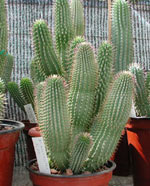
If you haven't heard of Hoodia yet, you soon will because it is being touted as the new miracle supplement for safe, effective weight loss. Hoodia gordonii, (Hoodia) is the botanical name for a cactus like plant that grows in Southern Africa. Scientists have recently isolated several compounds in this amazing plant that are responsible for dramatic weight loss. This all-natural appetite suppressant is also being applauded for containing no dangerous stimulants that caused adverse side effects associated with weight loss products of the last decade. Hoodia gordonii, "Whoo De AH", is the botanical name for a leafless, spiky succulent plant that grows throughout the semi-arid areas of Southern Africa primarily the Kalahari desert. The San (local inhabitants) have rationally used Hoodia stems to stave off hunger and thirst when on long journeys, as it acts as an appetite suppressant. Real South African Hoodia is RARE and EXPENSIVE. It takes approximately 5 to 7 years for the Hoodia gordonii succulent to mature and provide appetite suppressant qualities. The African government has limited the amount of Hoodia it exports and the number of suppliers to receive it in the USA. Because of the growing awareness and popularity of this miracle herb, rip-off products that contain very little or no authentic Hoodia in them are beginning to flood the marketplace. To be eligible for export to the USA and all other nations, Hoodia farmers must obtain a C.I.T.E.S. certificate which is issued on a per export-shipment basis. |
|
|
Read our other articles:
Symptoms of anxiety disorders
Weight control
Erectile dysfunction
Skin aging solutions
Dental procedures
Guide for search and buy medicine online