

Number One
Number One
For too long the monoply of the multinational label has spawned a world of fatcats and talent scouts (whose definition of ‘talent’ is a quick win of saleability) who drive Porsches and snort drugs, whilst the artists are either deluded indie kids hoping to make great music (and eat nothing as a result) or career famebrains aiming solely at noterity and dancesteps that will somehow give them the acceptance their parents never gave them unless they themselves became famous.
The BPI doesn’t help matters either. The one thing that could lure the tempted punter to purchasing a CD single is being taken away from them. The main track is on the radio two months before it is released, constantly being bombarded from every place of public or private space that can pick up a radio, a TV signal, or cinema advert. By the time the song is released, at which point the public are sick of it, demand has peaked, and subsided, and nobody wants to buy the song. When they wanted to buy the song they couldn’t but heard it all the time, now there’s another song they want they can’t get by the time the last fad has faded.
Even if people do want to buy the song by the time it is released, what do the BPI do? They limit the single, so that if you actually offer value for money it is disqualified from the charts. You get the by now impotent prestige of a Number One. You can only have three songs - or less than 20 minutes of music - on any CD single. So either - for a conventional act - they are forced to pad out the by now standard 2CD release with a clutch of hastily written under-rehearsed tat or farm the songs out to expensive remixers, whose work is mostly too long to be released and hence clumsily edited down to fit the CD format. Even including the by now, hardly-ever broadcast by MTV - whom Jello Biafra pointed out, is nothing but adverts anyway - super expensive video results in the single being disqualified - even though all you have is the option of watching tiny digitised pictures and badly compressed sound on a stuttering PC. Apparently having the same identical song twice (one with pictures, one without) makes the single a mini-album.
So what do you get? If you are lucky you get the maximum of three audio tracks. How we are spoilt! One standard LP version, one live track recorded badly in a field, and one clumsily edited generic remix trying to hit the elitest dance market. Deep joy. Even a band which has an abundance of songs is forced to instead cut down the number of songs it releases to get into the charts - deliberately short changing the customer.
All this of course rests on one important fact. If your record company releases your single at all. Sometimes, even though the single exists and boxes of it sit in an attic somewhere waiting to be sold, the label would rather not even send them to the shops and take the discreet approach. Why release records even when they’ve been made, the video has been paid for, the promotion done? Oh, no radio play. You don’t even have to mention the words “Girl” and “Thing” to realise that some times you can’t lead the public to the dogshit, tell them its diamonds, and they still won’t bite.
So instead of trying to sell records, all you can buy is the album. Hmm. No chance of a hit single if you can’t buy it in the shops is there. And then of course the label can say, well you never sold any records anyway. Of course not, there weren’t any records to be sold. Sometimes even though the band have completed the record, the label can refuse to even release the record. Even though the record has been paid for, made, mastered, art sorted and ready to roll into the shops it remains in a warehouse gathering losses until the end of time. The band can be dropped, and the label has the RIGHT to bar any other label from picking up the finished record and releasing it. from an artistic point of view, this is insulting. Imagine a Picasso or a Kubrick being barred from release even though they had nothing to gain from it. On top of that, its incredibly short sighted of the label to deny its investment a continued career as otherwise back catalogue sales will diminish.
Instead of releasing the single, why not say, six months after the album was released, just put all those remixes that might have made a nice high profile single release, but instead got cancelled - on a ‘bonus’ CD to latecomers who buy the album and get a free, bonus, CD full of previously unheard stuff or dodgy remixes. Even though she’s had about 400 hit singles, EMI still feel Kylie needs to do things this way. Still, it actually prevents sales. The hardcore fans go out and buy it again and then give the original away. I’ve done this many many times. Hello to Kylie, the Pet Shop Boys, and Leftfield. For starters.
Curve for example, have recorded a new album, which since they have been dropped, won’t be released by anybody ever. The label has barred it from being released by anyone. I wouldn’t have bought it anyway, but the point is even now, even if I wanted to, I can’t. And since Curve are perceived as having done nothing for years, nobody will be introduced to them by any new records they can’t release anyway. Talk about cutting your sales off to please the boss.
It doesn’t matter about the public. They’re scum who’ll like whatever we tell them to. They’re all angry - lets give them millionaires in red baseball caps and inflatable stage sets. They’ll feel we’ll understand their anger.
Even established artists have decided that the best way to generate publicity is to artificially limit supply. I know. Lets put U2 - who’ve sold about 50 million records - in an 1,800 seater club. Lets put Madonna in a 3,600 capacity theatre - guest list only - with a £200 minimum donation on the guest list. Well fuck that. If you want me to see these artists sell tickets. If you don’t, well, I don’t want to be part of that tiny clique who can put their noses in the air and claim they saw U2. Well. I don’t want to go. Fuck ‘em. The industry doesn’t give a shit about you, Mr. Punter. You’re just a meal ticket, and multimillionaires can only think about bank balances, about sold out gigs or invitation only gigs to not-bothered industry hacks, whilst the real fans who part with hard cash to see their music, the most popular art there is, stand outside in the rain waiting the hear a snippet when some jaded roadie opens the door to throw someone out. Fuck that.
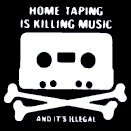
You want to know why the music industry is dying Mr. CEO of EMI? Look in the mirror. We’ve got MP3’s. We don’t need millionaires seizing the PC’s of fans in cases of alleged ‘copyright theft’. We don’t Lars Ulrich taking some 17 year old kid in Minnesota to court for sending a long-deleted Metallica b-side to a friend in Ohio. Worried about royalties are we? Well, if you want to make royalties and money from music, do your self a favour. Release the records that the public want to buy, and maybe then we will buy them.
home | reviews | rants | poems | writings | trivia | news | links | about mark |
© copyright Mark Reed, 1991-2002 except where indicated