A JavaBean is a reusable software component that is written in the
JavaTM programming language. You write JavaBeans just as you write
any other Java class. You can also take existing components, applets, or Java
classes and turn them into JavaBeans.
This tutorial has two goals, it:
In
order to use this tutorial, you must have the following installed:
Follow
the installation instructions provided with the programs.
This tutorial does not replace the JavaBeans specification, but
provides concrete examples and step-by-step guidelines for building and using
JavaBeans. Read corresponding sections of the specification in conjunction with
this tutorial. You might also find it helpful to study the example source code
provided by the Bean Developer's Kit (BDK).
Definition:
What is a Bean?
If you use builder tools, such as Delphi or Visual Basic, you are
already familiar with the notion of a bean. A JavaBean is a reusable software
component that is written in Java programming language. It can be visually
manipulated in builder tools. A JavaBean is often referred to simply as a Bean.
Software
components are self-contained, reusable software units. Using visual application
builder tools, software components can be composed into applets, applications,
servlets, and composite components. You perform this composition within a
graphical user interface, and you can immediately see the results of your work.
Reusable
software components apply the concept of interchangeable parts to the field of
software construction. Other industries have long profited from reusable
components. For example, the builder tool above shows a calculator component
that is built from 16 button components, a text field component, and a panel
with buttons and a text display.
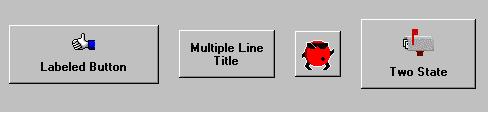
Reusable software components can be simple, such as buttons, text fields, list boxes, scrollbars, and dialogs.
Button Beans
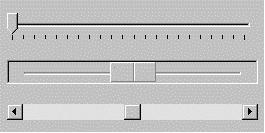
Slider Beans
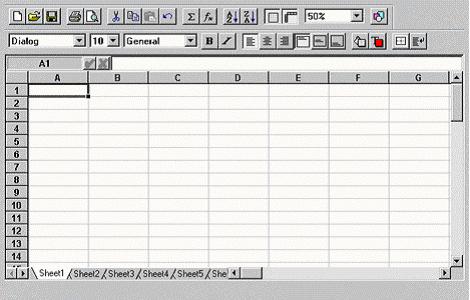
The above components are traditionally sold by third parties. More recently, vendors sell more complex software components, such as calendars and spreadsheets:
If you use visual component assembly tools, such as Visual Age, Delphi, Visual Basic, Mojo, or even PowerBuilder, you are familiar with the notion of software components. Visual Basic Extensions (VBXs) were the first widely used software components, followed by language-independent OLE Custom Controls (OCXs). UNIX programmers will be more familiar with widgets and toolkits.