What is E-Waste?
Old Computers
Obsolete desktops and laptops with outdated hardware.
Broken Smartphones
Cracked screens, malfunctioning batteries, and damaged charging ports.
Outdated TVs
Heavy CRT monitors, bulky plasma displays, and older LCD screens.
Unused Printers
Non-functional or outdated printers and scanners.
Damaged Chargers and Cables
Frayed wires, broken connectors, or adapters no longer functioning properly.
Used Batteries
Depleted or leaking batteries from remote controls, toys, and other devices.
Defective Home Appliances
Includes microwaves, washing machines, and refrigerators that no longer work.
Environmental Impact of E-Waste
Pollution
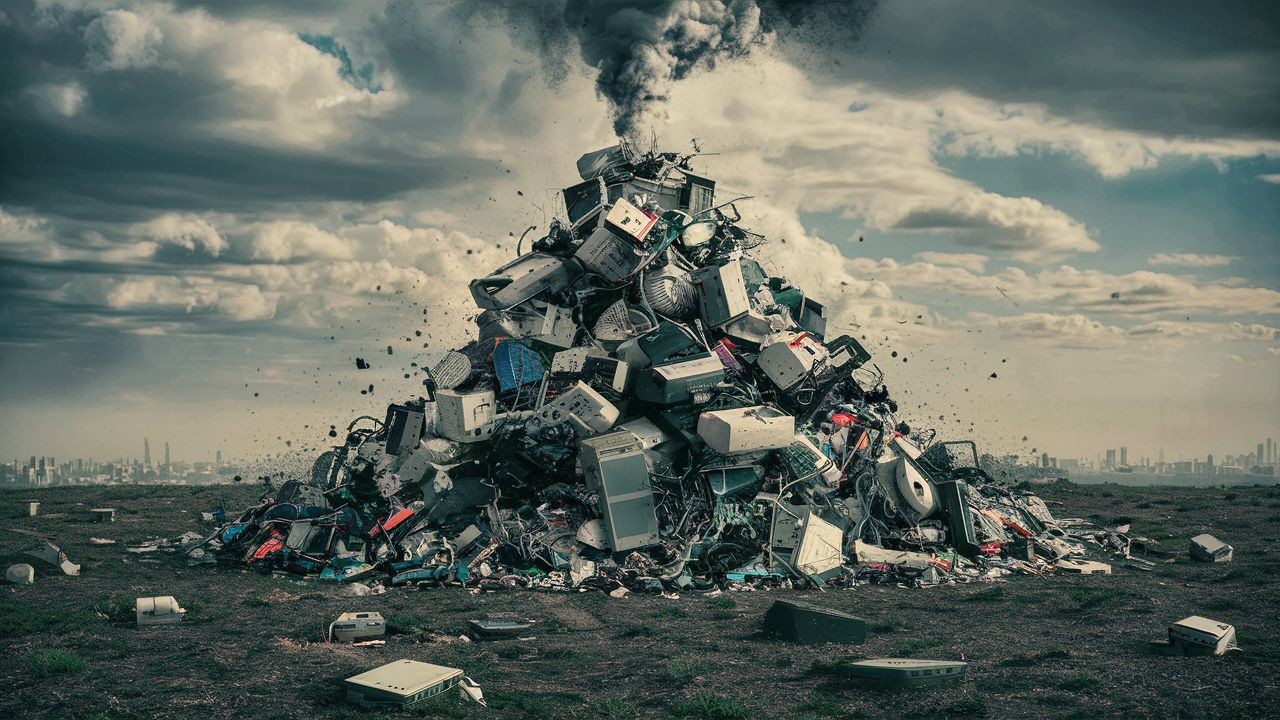
E-waste contains toxic substances like lead, mercury, and cadmium. Improper disposal can pollute soil, water, and air, harming ecosystems.E-waste, or electronic waste, refers to discarded electronic devices such as phones, laptops, TVs, and other digital equipment. As technology advances rapidly, e-waste has become a critical environmental issue. Let’s explore the pollution caused by e-waste and its impact.
Climate Change
Manufacturing electronic devices involves mining metals like lithium and cobalt, which emits CO₂ and other pollutants. Energy-intensive processes in factories further increase greenhouse gas emissions. The use of fossil fuels in transportation and supply chains amplifies the environmental impact. Improper disposal releases toxic chemicals and methane from landfills. Together, these processes accelerate climate change by contributing significantly to global emissions.

Resource Depletion
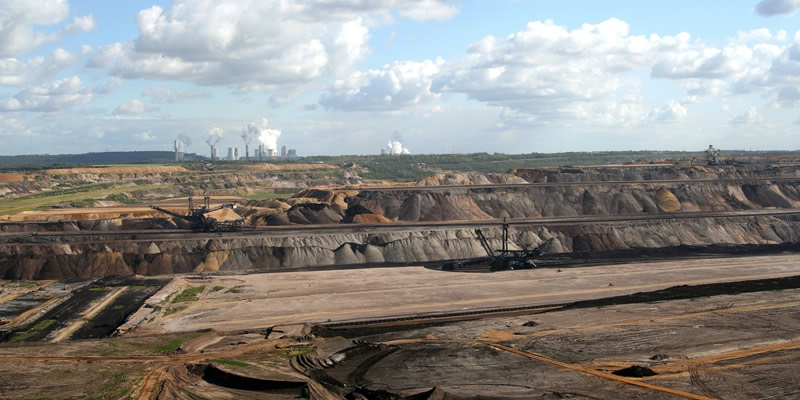
The extraction of raw materials like lithium, cobalt, and rare earth metals for electronic devices depletes finite natural resources. Mining processes disrupt ecosystems, degrade soil, and pollute water sources. These operations often rely on energy-intensive methods, emitting significant greenhouse gases. Scarcity of these materials raises environmental and ethical concerns, including labor exploitation. Sustainable practices and recycling are essential to reduce resource strain and environmental impact.
Innovative E-Waste Management Solutions

Automated Sorting
Advanced robotics and AI systems enhance e-waste management by rapidly identifying and sorting different materials like metals, plastics, and circuit boards. AI-powered vision systems can detect valuable components, reducing manual labor and human error. Robotics enable precise dismantling, Minimizing mixed-material, recovering reusable materials without damaging them. This efficiency minimizes landfill waste and lowers the need for raw material extraction. As a result, AI-driven recycling promotes sustainability and helps combat climate change.

Eco-Design
Designing electronics for recyclability ensures that components can be easily disassembled and reused, reducing waste. Using non-toxic or biodegradable materials prevents harmful chemicals from entering landfills and ecosystems. Modular designs allow easy repairs and upgrades, extending product lifespan and decreasing the need for new devices. Minimizing mixed-material use simplifies recycling processes, improving recovery rates of valuable resources. These eco-friendly strategies help lower emissions, conserve finite resources, and promote a circular economy.

EPR
Extended Producer Responsibility (EPR), requires manufacturers to take accountability for the entire lifecycle of their products, including recycling and safe disposal. EPR encourages producers to design sustainable, recyclable products to reduce waste. Companies are also responsible for setting up or supporting collection systems for end-of-life devices. By internalizing waste management costs, EPR reduces the burden on governments and minimizes landfill pollution. This approach promotes a circular economy and reducing environmental impact.
About Us!
Welcome to our e-waste management website, dedicated to promoting sustainable practices and responsible disposal of electronic waste. As electronic devices become increasingly prevalent in our daily lives, the challenge of managing e-waste has never been more pressing. Our mission is to raise awareness about the environmental impact of e-waste and provide effective solutions for recycling and disposal.
We believe that proper e-waste management is crucial for protecting our planet. Toxic substances in discarded electronics can leach into the environment, posing risks to human health and wildlife
. Through education and community engagement, we aim to empower individuals and businesses to make informed choices about their electronic devices and encourage recycling.
Our platform connects users with local recycling programs and certified e-waste recyclers, ensuring safe and responsible disposal
. By working together, we can minimize the harmful effects of electronic waste, promote a circular economy, and contribute to a more sustainable future.
Join us in our mission to turn e-waste into a valuable resource and make a positive impact on our environment!