Balanced Diet & Nutrition
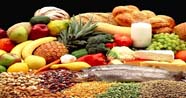
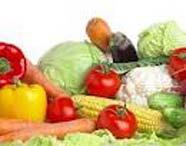
Fruits and vegetables are the foundation of a healthy diet. They are low in calories and nutrient dense, which means they are packed with vitamins, minerals, antioxidants, and fiber.
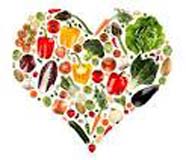
Try to eat a rainbow of fruits and vegetables every day and with every meal—the brighter the better. Colorful, deeply colored fruits and vegetables contain higher concentrations of vitamins, minerals, and antioxidants—and different colors provide different benefits, so eat a variety. Aim for a minimum of five portions each day.
- Greens. Branch out beyond bright and dark green lettuce. Kale, mustard greens, broccoli, and Chinese cabbage are just a few of the options—all packed with calcium, magnesium, iron, potassium, zinc, and vitamins A, C, E, and K.
- Sweet vegetables. Naturally sweet vegetables—such as corn, carrots, beets, sweet potatoes, yams, onions, and squash—add healthy sweetness to your meals and reduce your cravings for other sweets.
Eat more healthy carbs and whole grains
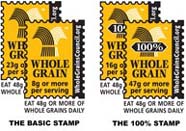
Choose healthy carbohydrates and fiber sources, especially whole grains, for long lasting energy. In addition to being delicious and satisfying, whole grains are rich in phytochemicals and antioxidants, which help to protect against coronary heart disease, certain cancers, and diabetes. Studies have shown people who eat more whole grains tend to have a healthier heart.
Good sources of calcium include:
- Dairy: Dairy products are rich in calcium in a form that is easily digested and absorbed by the body. Sources include milk, yogurt, and cheese.
- Vegetables and greens : Many vegetables, especially leafy green ones, are rich sources of calcium. Try turnip greens, mustard greens, collard greens, kale, romaine lettuce, celery, broccoli, fennel, cabbage, summer squash, green beans, Brussels sprouts, asparagus, and mushrooms.
- Beans : For another rich source of calcium, try pinto beans, kidney beans, white beans, black-eyed peas.
Some guidelines for including protein in your healthy diet:
Try different types of protein. Whether or not you are a vegetarian, trying different protein sources—such as beans, nuts, seeds, peas, tofu, and soy products—will open up new options for healthy mealtimes.
- Beans: Black beans, navy beans and lentils are good options.
- Nuts: Almonds, walnuts, pistachios, and pecans are great choices.
- Soy products: Try tofu, soy milk, tempeh, and veggie burgers for a change.
- Avoid salted or sugary nuts and refried beans.
Water is an essential to our life
Water helps flush our systems of waste products and toxins, yet many people go through life dehydrated—causing tiredness, low energy, and headaches. It's common to mistake thirst for hunger, so staying well hydrated will also help you make healthier food choices.
Monday, December 12, 2011 5:55 PM