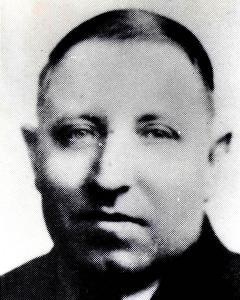
America's first LGBT rights organization, The Society For Human Rights, was started in Chicago in 1924. A precurser to the gay liberation movement of the 1960's, the orginizations founder Henry Gerber, a Bavarian immagrent and early gay rights activist, was heavily inspired by the work of Magnus Hirschelf, German physician and founder of the Scientific Humanitarian Commitee, a group which advocated for gay and transgender rights. Gerber took the role of secratary while applying to have the orginization recognized as a non-profit in the state of Illinois. This application stated the Society For Human Rights intentions and views as:
"To promote and protect the interests of people who by reasons of mental and physical abnormalities are abused and hindered in the legal pursuit of happiness which is guaranteed them by the Declaration of Independence and to combat the public prejudices against them by dissemination of factors according to modern science among intellectuals of mature age. The Society stands only for law and order; it is in harmony with any and all general laws insofar as they protect the rights of others, and does in no manner recommend any acts in violation of present laws nor advocate any manner inimcal to the public welfare."
The goals of the orginization were kept intentionally vague by Gerber and his fellow founding members and the state of Illinois approved the Society For Human Rights December 24th, 1924.
Friendship and Freedom, America's first LGBT advocacy publication, was started as the society's official newsletter. Few people, even within the society, were willing to recieve the publication as they feared persecution under the Comstock act which, until a supreme court ruling in 1958, deemed any gay publication as "obcene".
From the beginning the Society had trouble gaining a following. Gerber attempted to gain the support of medical proffesionals and sex education advocates, however, they feared their reputations would be ruined if they were associated with homosexuality. Furthermore, Gerber had difficulty gaining financial support from wealthier members of the gay community.
Unkown to the society its vice-president, Al Weininger, had a wife and children seperate from his secret life in the orginization. Upon discovering his connections to The Society For Human Rights Al Weininger's wife reported the group to a social worker in 1925. Soon after, Gerber and other leading members of the orginization were arrested as headlines reffered to the society as a "Strange Sex Cult" which encouraged men to abandon their families. While Gerber avoided prosecution of any crimes his personal papers and remaining copies of Friendship and Freedom were never returned by police, despite the court compelling them to do so.
Due to pressure from police and financial woes The Society For Human Rights ceased to exist only months after it was started.

Former location of The Society For Human Rights