A Step Through Time
"Conspicuous Consumption with Elegance"
Reconstructing
History
Venetian Noble Women's Dress
Late Sixteenth Century
Lace
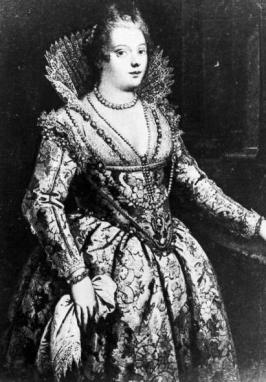
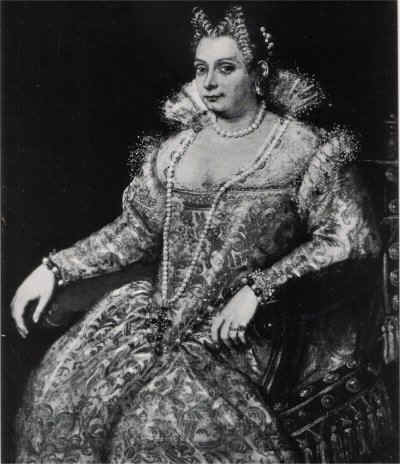
Lace was part of the Venetian dress
code of the sixteenth century, and
later Venice became an important centre for lace making.
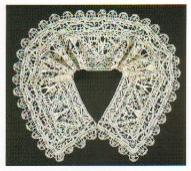
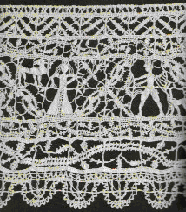
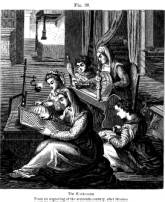
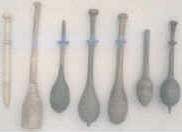
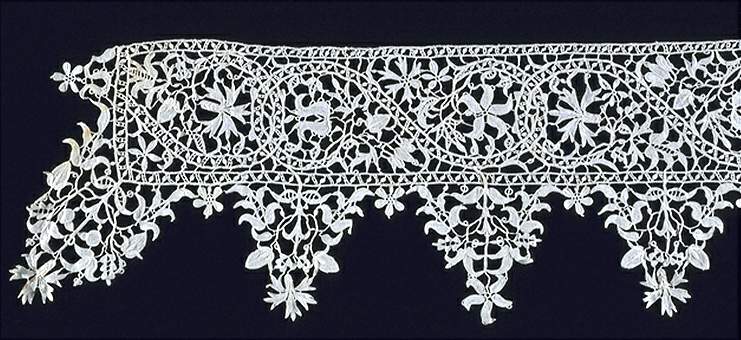
Below are images of existing lace, the tools used to produce it, and
portraits showing this lavish trim. It
was not uncommon to find more than one kind of lace used in conjunction with
another, i.e. Punto in aria and reticella.
We
know little for certain about the origins of bobbin lace. The case is otherwise
for needle lace. Textile historians agree that Venetian openwork embroidery was
the direct progenitor of this form of lace. According to Anne Kraatz (Lace:
History and Fashion) in the early 1500's the exquisite embroideries for
which Venice was famous, were becoming ever and ever more open and less and less
of the foundation fabric upon which it was worked remained in the finished
pieces. At the peak of it's development, this openwork embroidery evolved to an
extreme form called Reticella. In Reticella only the
geometric frames of woven fabric, upon which the outline stitches were done
remained in the finished work. Open areas from which the woven threads had been
removed were filled with needle-woven designs to provide the ornate fillings
which were the final step toward the first true needle lace.
Finally,
rather than go to the work of removing so much of the original fabric, the
embroiderers began to lay down outline threads, couched to a pattern. The
framework of the design was worked over these threads, while at the same time,
the fillings of decorative stitches and designs were worked so that all the
parts of the lace grew together as the work progressed. The early needle lace
was termed Punto in Aria - literally, stitches in air.
  |
 |
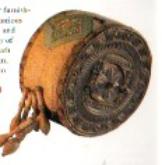
| Bobbin lace making pillow Venice lat C16 wood
stuffed with hemp Musei civici centro studi di storia del tessutoe del
costume Venice
Lace bobbins 16th and 17th Centuries
|
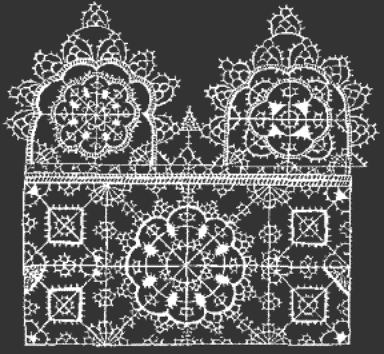
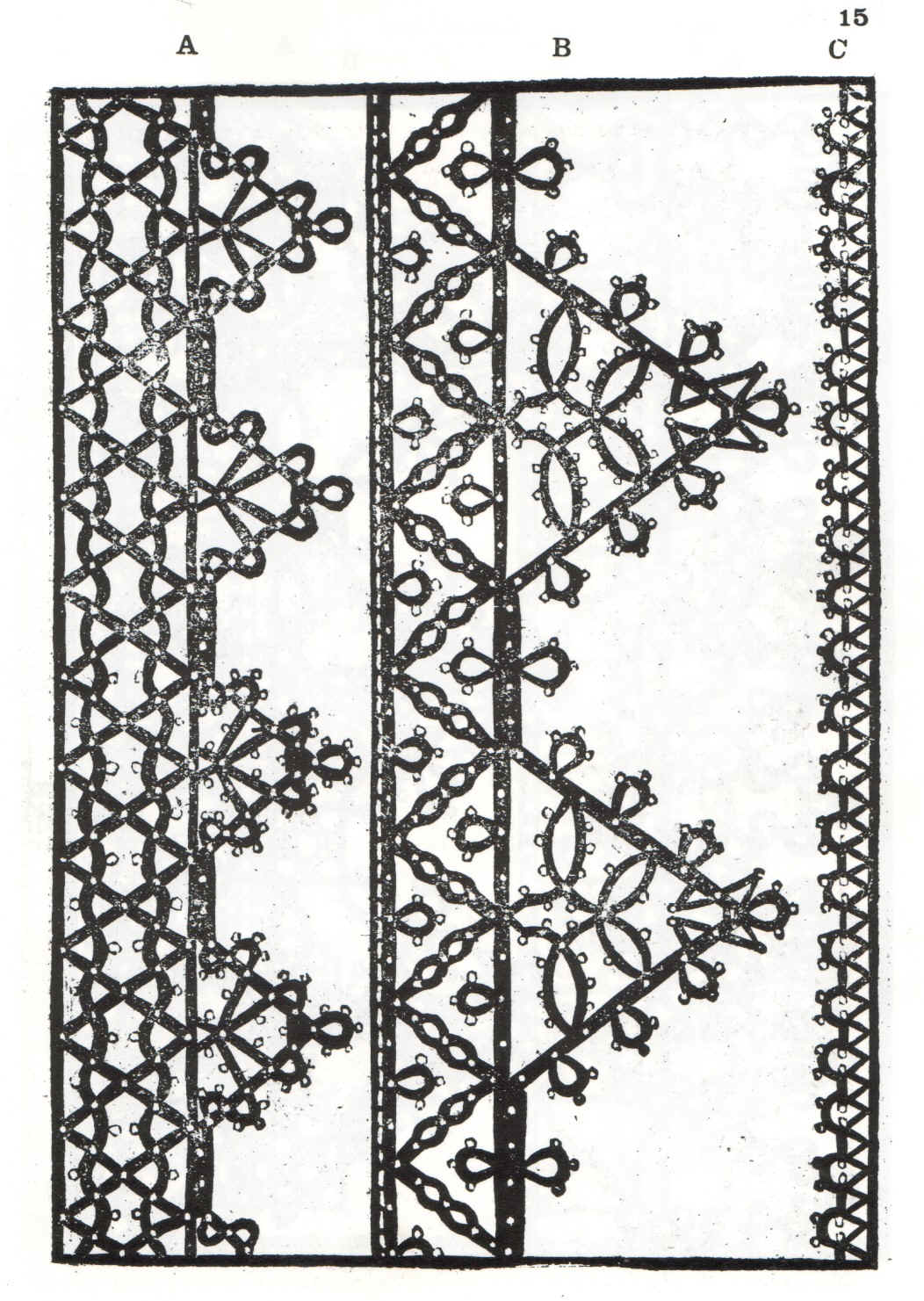
This
illustration of a pattern for Punto In Aria is from a pattern book by
the Italian designer and producer of pattern books, Federico Vinciola
This design shows the geometric influence forced by the use of woven fabric framework in the predecessor, Reticella, has not been completely abandoned. |
|
|
|
|
Italian
Late C16 border needle lace formed into a collar, possible needle lace. |
Italian Late C16 border needle lace formed into a collar, possible needle lace,detail. |
 |
 |
|
Linen, with cutwork and bobbin lace, Italy, |
Needle lace boarder 1600 - 1620, Victoria and Albert Museum, London |
 |
 |
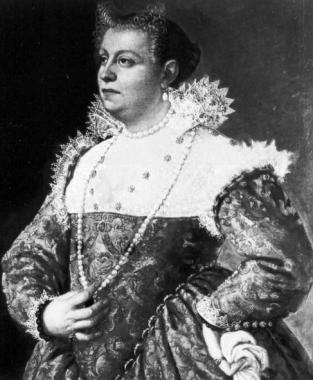 |
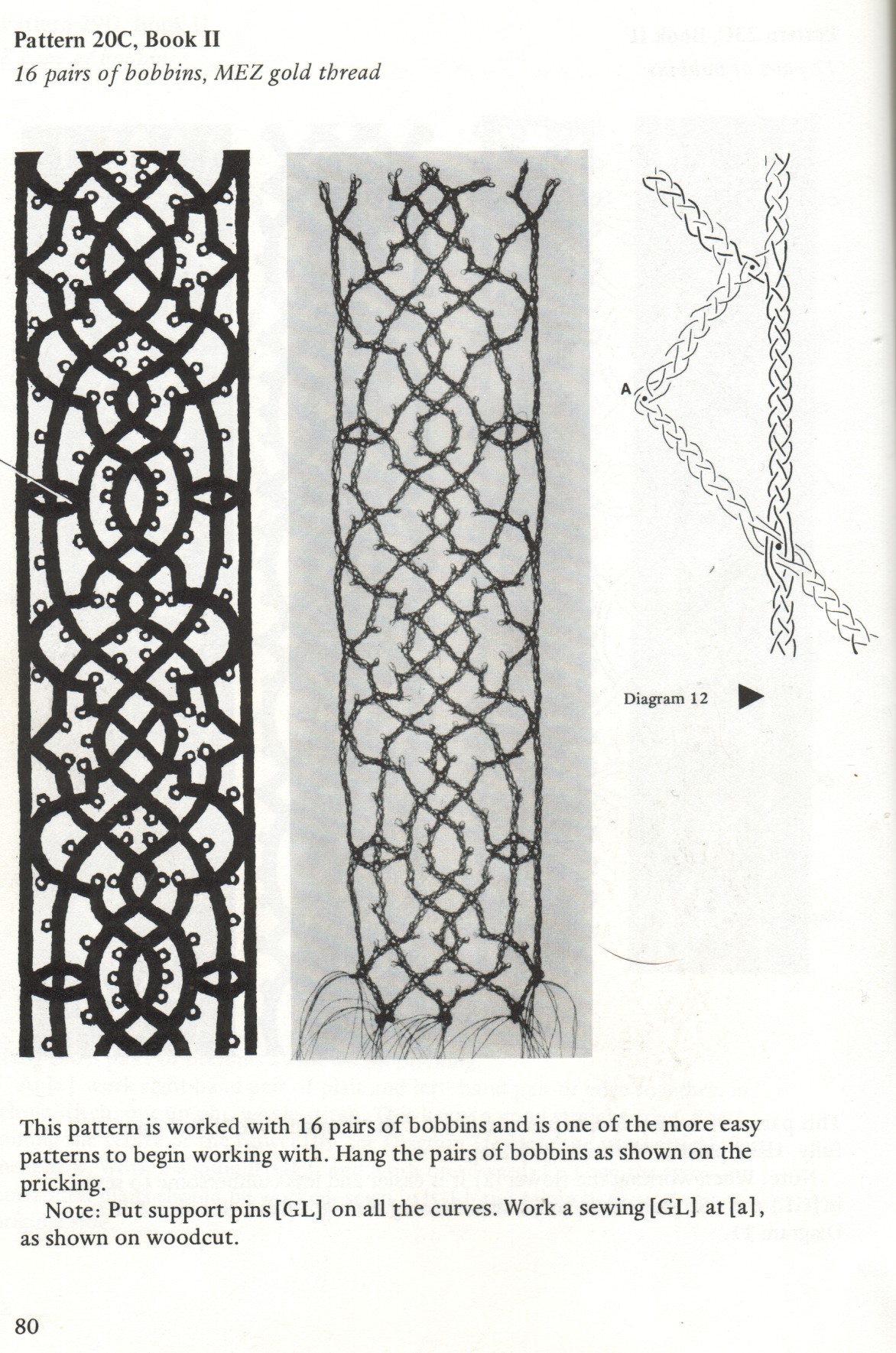
| Instructions and lace from 'le Pompe 1559, Pattern for Venetian Bobbin Lace' | Portrait of a Woman, Francesco Montemezzano late 16th century. | Portrait of a Woman, Francesco Montemezzano late 16th century. |
 |
 |
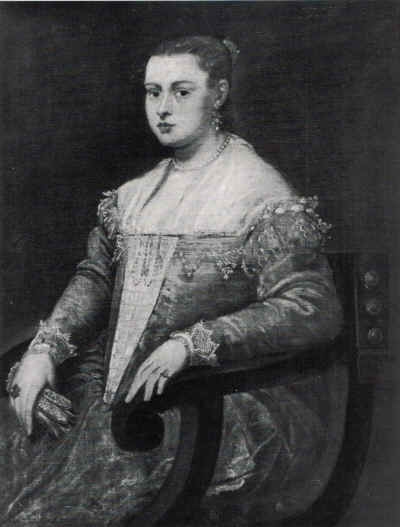 |
| Instructions from 'le Pompe 1559, Pattern for Venetian Bobbin Lace' | Portrait of a Woman Seated, Domenico Tintoretto, late 16th century. | Portrait of a Woman Seated with Glove in Hand, Domenico Tintoretto, late 16th century. |
Front Page Introduction Principles of Design 1555 Titian 1560 Veronese 1570 Veronese 1580 Vicellio Accessories Lace Textiles Patterns About the Designers Further Reading
All intellectual content, composition, layout, designs and photographs, unless otherwise noted are copyright 2007 to Deborah Lane ©, or, copyright 2003 to Deborah Murray © also known as Mistress Oonagh O'Neill ©. All Original renaissance art works and artefacts are not copyright to Deborah Murray, and are shown for educational use only . If you see something you'd really like to use, please contact me!