How a Non Profit Organisations are Transforming Rural Child Education in India?
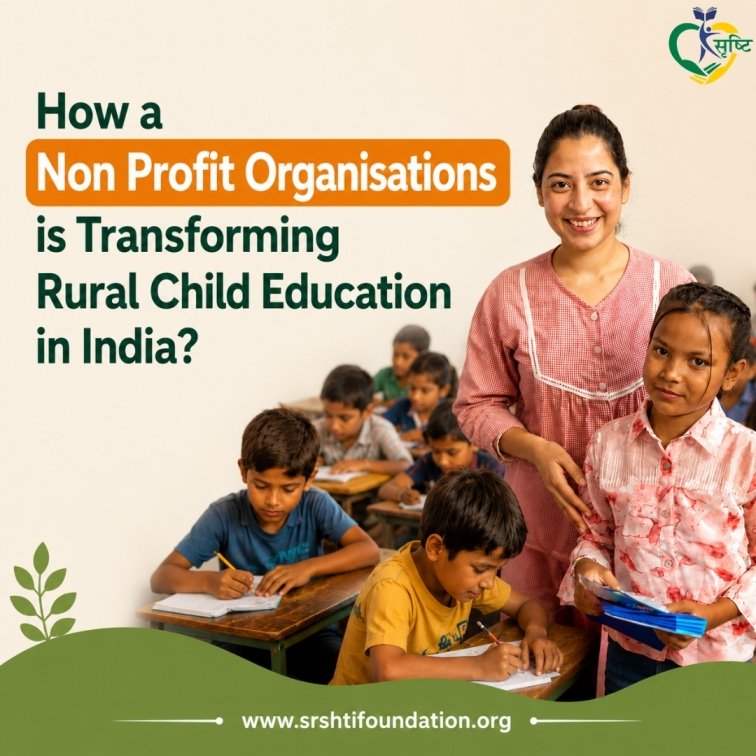
Every child deserves access to quality education, no matter where they live. Education helps children build confidence, learn important life skills, improve their knowledge, and prepare for a better future. In rural India, however, many children still face challenges that can affect their learning journey. This is where a Non Profit Organisation can play an important role.
SRSHTI Foundation works to support communities and create better opportunities for children. By working with families, communities, teachers, volunteers, and other partners, a non-profit organisation can help make learning more accessible and meaningful for children who need support.
1. Why Does Rural Child Education Matter for India’s Future?
Education is one of the strongest foundations for a child’s future. When children receive the right support during their early years, they can develop skills that help them throughout life.
Rural child education can:
- Create opportunities for lifelong learning and personal growth.
- Improve reading, writing, numeracy, and communication skills.
- Build confidence and encourage children to learn.
- Promote equal learning opportunities for children in rural areas.
- Help families and communities become stronger.
- Support the long-term development of India.
A Non Profit Organisation working in education can support these efforts by bringing together schools, teachers, parents, volunteers, and local communities.
2. Understanding the Learning Gap in Rural Education
The learning gap refers to the difference between what children are expected to learn at a particular age and what they are actually able to understand. In some rural communities, children may not have access to enough learning materials, regular academic support, or additional learning opportunities.
Every child learns in a different way. Therefore, it is important to understand each child’s learning needs and provide the right support at the right time.
Regular classroom support, teacher involvement, family participation, learning activities, and simple assessments can help identify areas where children need additional help.
A Education NGO can help reduce the learning gap through:
- Regular learning support for children.
- Teacher and community engagement.
- Periodic learning assessments.
- Age-appropriate study materials.
- Activities that make learning simple and interesting.
3. How a Education NGO is Bridging the Learning Gap?
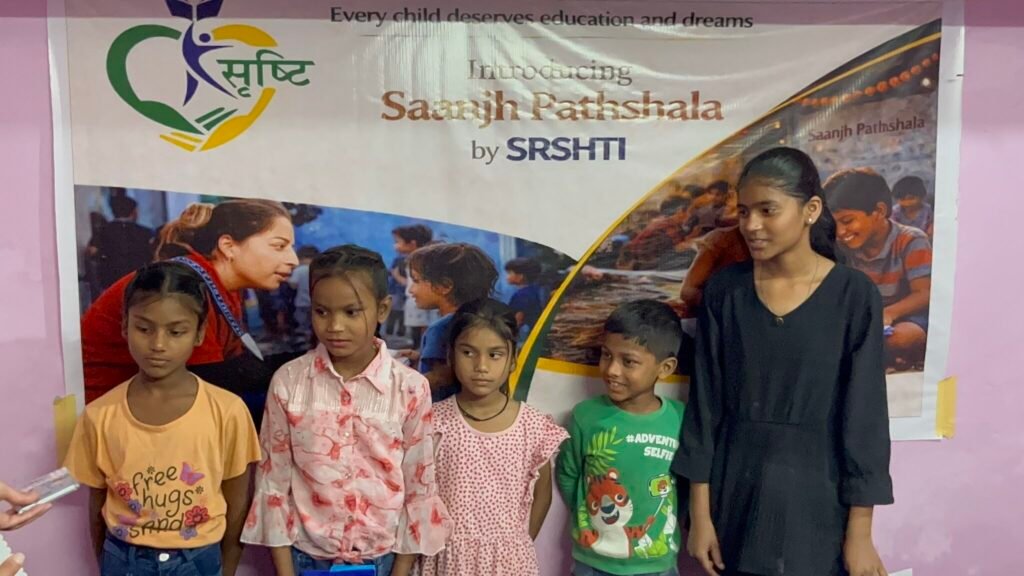
An NGO can work closely with schools, families, teachers, and communities to improve educational opportunities. The goal is not only to help children attend school but also to help them understand what they learn and develop confidence.
Strengthening Foundational Learning
The early years are very important for every child. Strong reading, writing, counting, and communication skills provide a foundation for future learning.
Education-focused organisations can support children through:
- Reading and numeracy programmes.
- Activity-based learning.
- Age-appropriate educational materials.
- Regular assessments.
- Individual learning support where needed.
Supporting Government Schools
Government schools play an important role in providing education across rural India. A Non Profit Organisation can work with these schools to improve classroom learning and provide additional educational support.
Such support may include:
- Classroom learning activities.
- Teacher training and support.
- Learning resource development.
- Interactive teaching methods.
- Additional academic support for children.
When schools and community organisations work together, children can receive better learning opportunities.
Bringing Learning Closer to Communities
Education should not stop when a child leaves the classroom. Families and communities also have an important role in supporting children’s learning.
Community-based efforts may include:
- Community learning centres.
- Parent awareness sessions.
- Volunteer-led learning activities.
- After-school learning support.
- Educational awareness campaigns.
An education NGO can help create a positive environment in which parents and community members understand the value of regular education.
Encouraging Digital Learning
Technology has created new ways for children to access educational content. Digital learning can provide useful study materials, interactive lessons, videos, and other resources when used in the right way.
A NGO can support digital education by promoting:
- Digital learning resources.
- Interactive educational content.
- Technology-based learning support.
- Access to useful study materials.
4. Why Does Community Participation Make Education Stronger?
Community participation can make education more effective and sustainable. When parents, teachers, volunteers, and local communities work together, children receive support both inside and outside school.
Community participation can help by:
- Encouraging regular school attendance.
- Supporting learning at home.
- Involving local volunteers.
- Building stronger school-community relationships.
- Creating positive learning spaces.
For SRSHTI Foundation, community involvement is an important part of creating meaningful social change. When people come together to support children, even small efforts can create long-term impact.
5. How SRSHTI Foundation Supports Children and Communities?
SRSHTI Foundation believes that every child deserves a fair opportunity to learn, grow, and build a better future. Through community-focused social initiatives, the foundation works to support children and families who need help.
The work of a Non Profit Organisation like SRSHTI Foundation can help bring attention to education needs, encourage community participation, and create opportunities for children to move forward with confidence.
By supporting educational awareness, community engagement, learning activities, and child-focused initiatives, SRSHTI Foundation aims to contribute to stronger and more caring communities.
6. How You Can Support Rural Child Education?
Creating better educational opportunities requires collective effort. Individuals, schools, businesses, volunteers, and social organisations can all contribute.
Donate for Education Initiatives
Your contribution can help support educational materials, learning activities, child welfare programmes, and community initiatives. Even a small donation can become part of a larger effort to create better opportunities for children.
Volunteer Your Time
Volunteers can support children and communities by participating in educational activities, awareness programmes, fundraising campaigns, and community events.
Spread Awareness
You can also support rural education by sharing information about the importance of education with friends, families, schools, and local communities. Greater awareness can encourage more people to take action.
Partner With a Education NGO
Businesses and individuals can work with an NGO through donations, volunteering, awareness campaigns, and community programmes. Such partnerships can help create long-term support for children and families.
7. Building a Brighter Future Through Quality Education
Quality education gives children the knowledge and confidence they need to face the future. It helps them develop important skills, discover their abilities, and become responsible members of society.
A Non Profit Organisation can support this journey by connecting communities, schools, families, volunteers, and children. When these groups work together, rural children can receive stronger learning support and greater opportunities.
Conclusion
Rural child education is not only about books and classrooms. It is about giving every child the opportunity to learn, grow, dream, and build a better future.
An education NGO can contribute to this goal by supporting children, families, and communities through meaningful social initiatives. With support from donors, volunteers, schools, and local communities, we can help reduce the learning gap and create more equal educational opportunities.
Find out more on Instagram
FAQs
1. How does a Non Profit Organisation support rural education?
A Non Profit Organisation can support rural education through learning programmes, educational materials, community activities, volunteer support, and school-based initiatives.
2. Why is foundational learning important?
Foundational learning helps children develop basic reading, writing, numeracy, communication, and learning skills that support their future education.
3. How can SRSHTI Foundation help needy children?
SRSHTI Foundation works through community-focused initiatives designed to support children, families, and communities and promote better opportunities for those in need.
4. How can individuals support rural child education?
Individuals can donate, volunteer, participate in awareness campaigns, support educational initiatives, or partner with a trusted NGO.
5. Why is community participation important in education?
Community participation helps children receive learning support at school and at home while encouraging regular education and creating a positive environment for learning.