Call
for Papers
Please circulate
to interested parties
_______________
THE
GLOBAL LIFE OF OYSTERS:
SOCIAL,
CULTURAL, HISTORICAL AND POLITICAL
SOAS, University of
London – Saturday 17 October 2020
As part of the ongoing programme of the Interdisciplinary Animal Studies
Initiative (IASI) based at SOAS University of London, in October 2020, we are
organising a small conference in London. This will be an exploratory
pre-conference, preparing for a larger event to be held in Arcachon,
France in 2021. Our aim is to map out broad areas of problems and possibilities for research. As
a pilot event, it will offer a general interdisciplinary survey, and will
get the word out to interested colleagues around the world in order to build a
network of interest.
This conference will be
partly physical (in person) and partly virtual (on-line).
Papers and expressions
of interest are invited.
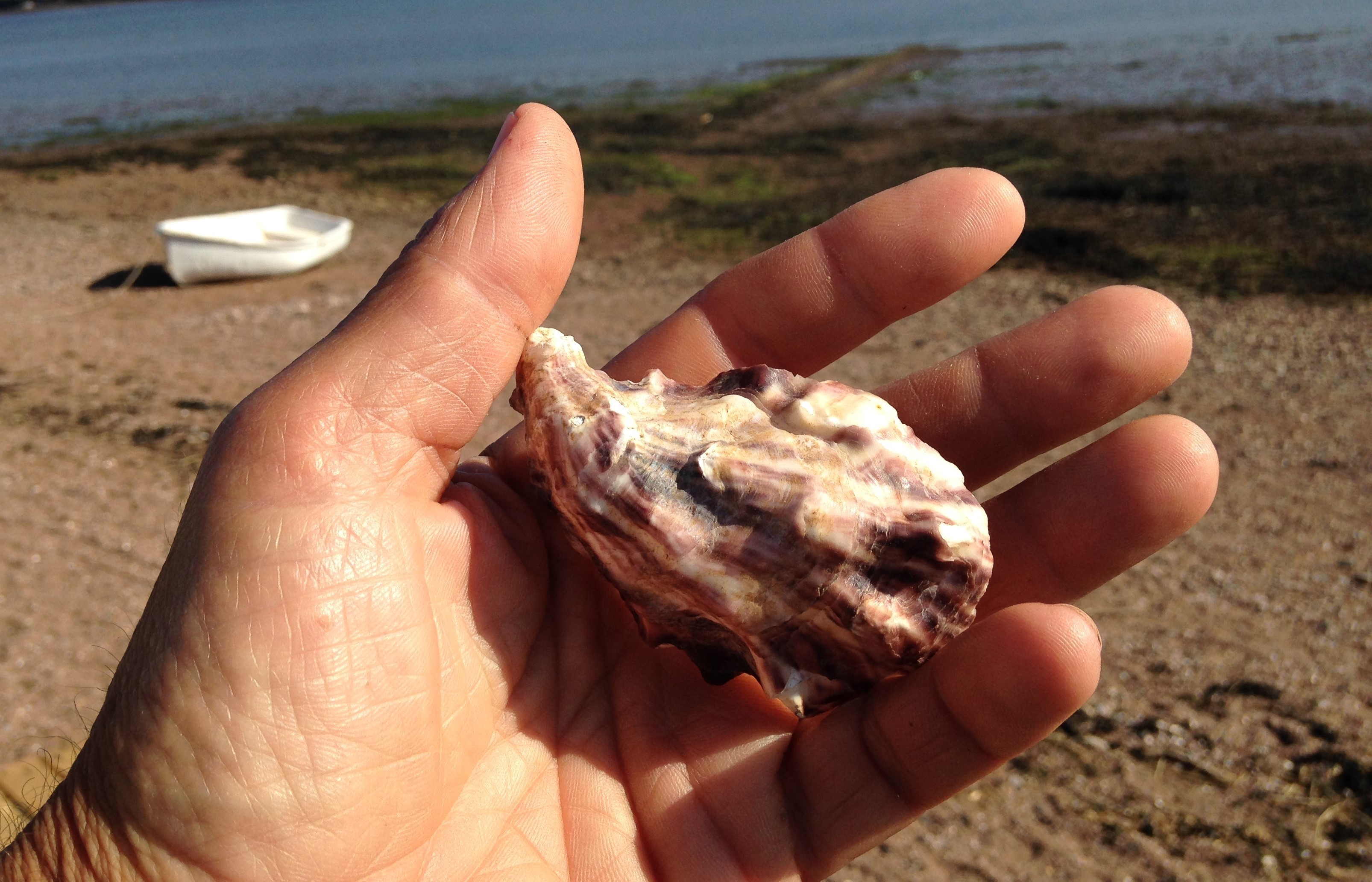
We think that oysters
are hugely interesting! For this conference our interest is primarily edible
oysters, and we shall be viewing them from a variety of thematic, disciplinary,
geographical, and historical perspectives. Potential papers might address the
following topics:
– Categorisation of species
– The
replacement of some species by others, in natural and engineered processes
–
Environments – natural, damaged, restored, and conserved
–
Diseases and non-human predators
–
Methods of aquaculture and of managing wild resources
–
Ethnographies of producer communities
–
Forms of consumption – raw, cooked, smoked, dried, pickled, canned
–
Historical patterns of consumption, as affected by class, region, etc
– Dietary
restrictions for religious and cultural reasons
–
Food poisoning scares, and public health measures
–
Economics of gathering, culturing, and trading
–
Uses of shells
–
Symbolism in literature and art
– Comparisons with
pearling oysters
–
Comparisons with other edible molluscs
– “Oyster cultures” in the broadest sense
Papers addressing other
themes are also welcome.
Overview:
There are relatively few
publications that cover the extraordinary life of oysters, especially as seen
from the perspective of the human exploitation of this marine resource across
the world. Our purpose in calling this conference is to expand this
literature, with the intention of publishing an edited volume after the main
conference in Arcachon 2021.
The consumption of edible
oysters is extremely old in human history, although the practice has met with
cultural barriers. High-caste Hindus, Buddhist monks, Jains,
Jews, and secular vegetarians abstain from all shellfish, and Muslims tend to
follow suit. The danger of food poisoning has led others to shun oysters, which
tend to be eaten raw in the West, and cooked in Asia. Eating raw foods has at
times been equated with barbarism, and oysters have often been a food of the
very poor, sometimes as a fall-back in times of dearth. However, they have also
been delicacies of the super-rich. They have been considered an
aphrodisiac, albeit with little scientific backing. Dried and smoked
oysters have been widely traded, especially in East Asia, often with the flesh
of other molluscs. The dull and ugly shells and
pearls have rarely been exploited, unlike those of other molluscs,
but there have been exceptions.
Excessive gathering and
pollution have periodically threatened the existence of edible oysters. States
have thus imposed closed periods for extraction. Aquaculture, dating back to
before the common era in the Chinese and Roman empires, has been another
response to scarcity, intensifying around the globe from the late nineteenth
century, and accelerating the replacement of flat oysters (Ostrea
edulis) by their larger Pacific relatives (Crassostrea gigas).
However, aquaculture has met with resistance from some gatherers, who prefer to
manage wild resources. Fierce disputes have broken out over rights of access,
leading to governmental intervention.
Oysters have figured
extensively in literature and the visual arts, for example as markers of
conviviality, Bohemian life-styles, luxury, or sexuality. This has mainly been
studied in a Western context.
The oyster also has a
well-documented role to play in mitigating problems of food crisis, flooding
and global warming.
Submission and deadlines:
Abstracts of proposed
papers should be sent in the following format:
-- TITLE OF
PROPOSED PAPER
--
INSTITUTIONAL AFFILIATIONS (IF ANY) OF PRESENTER(S) OF PAPER
-- ABSTRACT
[max. 200 words]
-- CV OF
PRESENTER(S) OF PAPER [max. 100 words]
--
PREFERENCE REGARDING WHETHER TO ATTEND IN PERSON, OR TO PARTICIPATE VIA
INTERNET
Please send to the
conference organiser: [email protected]
Deadline: These materials should
reach us by 30 July 2020. Notifications will be sent in the week of 15 August
2020.
Registration:
The conference will have
a dual access portal – a physical gathering in London, and a virtual gathering
on the internet. Both will be open to the general public. Registration is free
for all concerned.
For further details, and
for all inquiries, contact the conference organiser
as above
We look forward to
meeting you in London, in person or virtually.
Ed Emery [SOAS, University of London]
Conference organiser
William Gervase Clarence-Smith [SOAS,
University of London]
Conference chair
PLEASE NOTE: This conference is one
of a series of interdisciplinary animal studies events. Details can be found
at:
http://www.geocities.ws/soasanimalstudies/
Last updated: 1.vii,2020