This National Nature Reserve, covering 41 hectares, is located on the south-west slopes of Mendip. It is owned by the National Trust, and managed by Natural England.
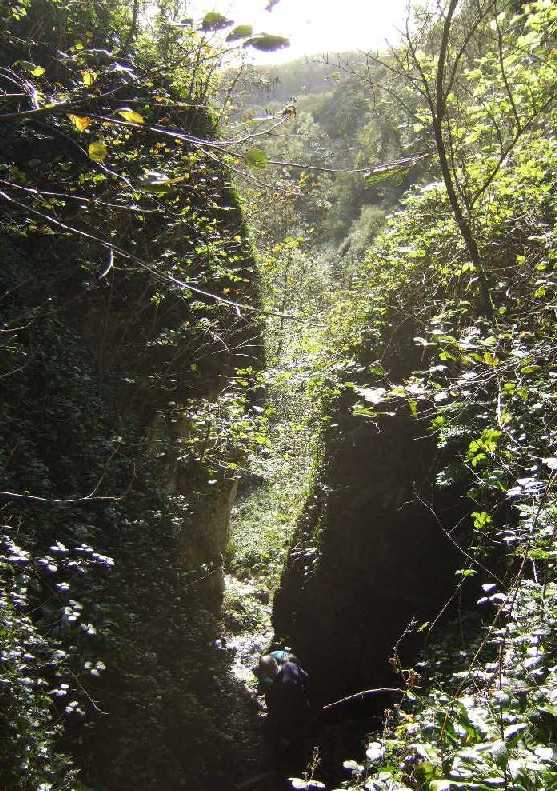
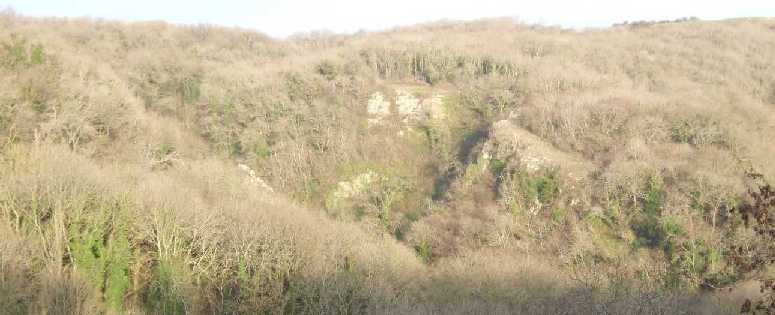
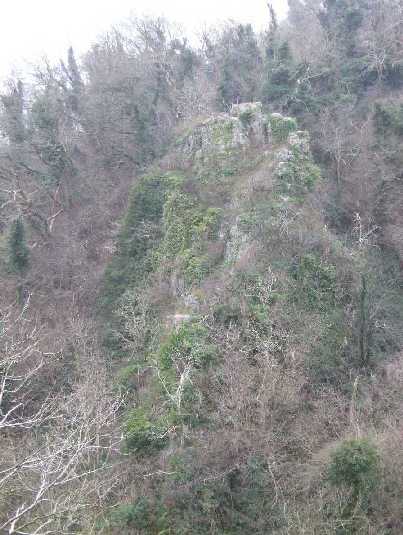
The main gorge is a steep-sided, mostly dry, ravine which closes in to the Narrows. Above this point the valley sides open out and the upper gorge is much shallower. In contrast, below the Narrows, the gorge is at its widest, with cliffs and scree slopes on both sides. To the west is Tower Rock, a tall pinnacle of rock somewhat disguised by the abundant vegetation. Also part of the Nature Reserve is Hope Wood with its tributary stream flowing from the west. The gorge is cut into Carboniferous Limestone, while Millstone Grit and Lower Coal Measures form an impermeable floor to the tributary valley.
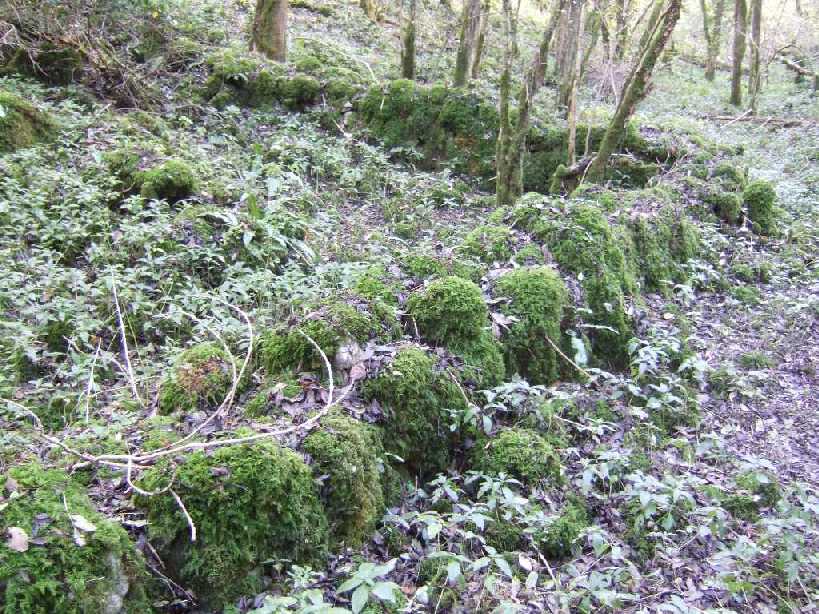
The whole area is very densely vegetated. The dominant trees are ash and oak, with a stand of beech in the valley at the base of Hope Wood. Other species found include hazel, field maple, hornbeam, whitebeam and a variety of shrubs. The humid conditions under the trees are ideal for ferns and mosses, some of which are rare. The dense vegetation, and steep slopes, means that walking through the woodland can be extremely difficult in places; in any case Natural England recommends that visitors do not leave the paths, which follow a route up the gorge and through the Narrows, returning by the Viewpoint at the top of the cliffs.
Caves and rock-shelters are found in almost all parts of the area; one group is in Hope Wood, while within the gorge itself there are sites in the base of the valley, near the Narrows, and others on the higher western and eastern slopes. Finally, a further group of caves is located in the upper gorge.
Hendy (2005) lists 30 caves and shelters in the area: here we focus on a smaller number of sites of archaeological interest.
Most of the archaeological objects that have been found in the Gorge are deposited at Wells Museum. |