
"Deep vein thrombosis (DVT) is a condition in which blood clots form in a deep vein within the body. The word thrombus means forming a blood clot."
- YourMedicalSource.com
The three principle factors of DVT's are as follows:
1. venous stasis (blood flow that has been slowed or stopped)
2. injury to blood vessel wall
3. hypercoagubility (increased blood clotting)
additional causes are listed below:
immobiliztion (for a significant period of time), surgical procedure, having undergone a trauma, increased age, malignancy (a cancerous tumor), heart failure, history of DVT, pregnancy, use of an oral contraceptive
The risk of a DVT is increased with the following factors, but they cannot be the sole cause of a DVT:
obesiety, diabetes, tobacco smoking
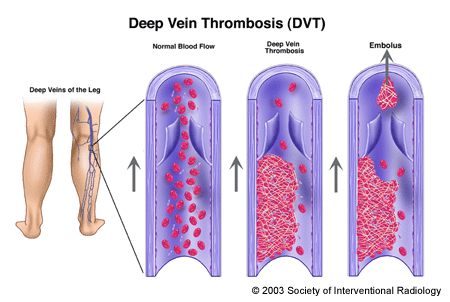
A DVT is suspected when a patient feels a sharp pain as his or her foot is flexed upwards or when a portion of the patient's calf is red or swollen.
Certain diagnosises include ultrasound, venography, blood test coagubility among others.
bed rest with leg elevation, compression stockings, anticoagulants(to prevent the development of more clots), thrombolytic agents(to break up clots), surgery to remove the clot(as a last resort)