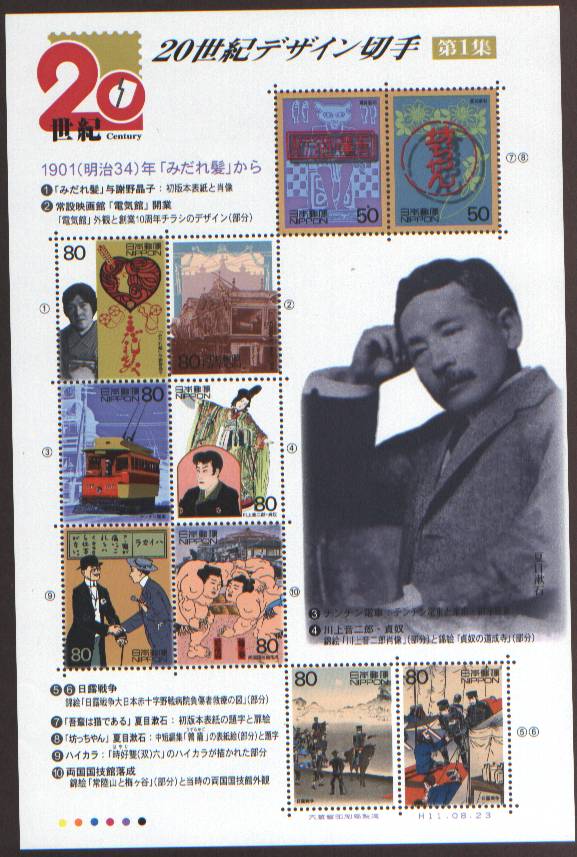
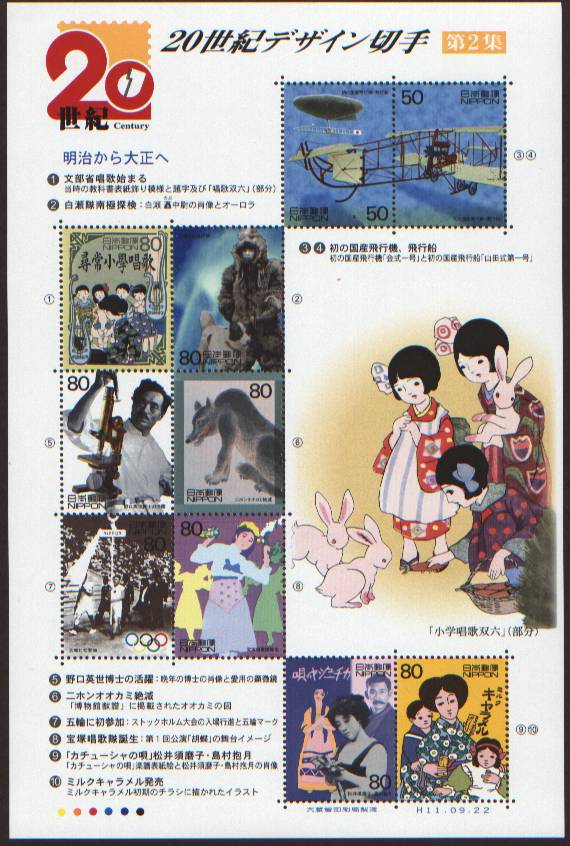
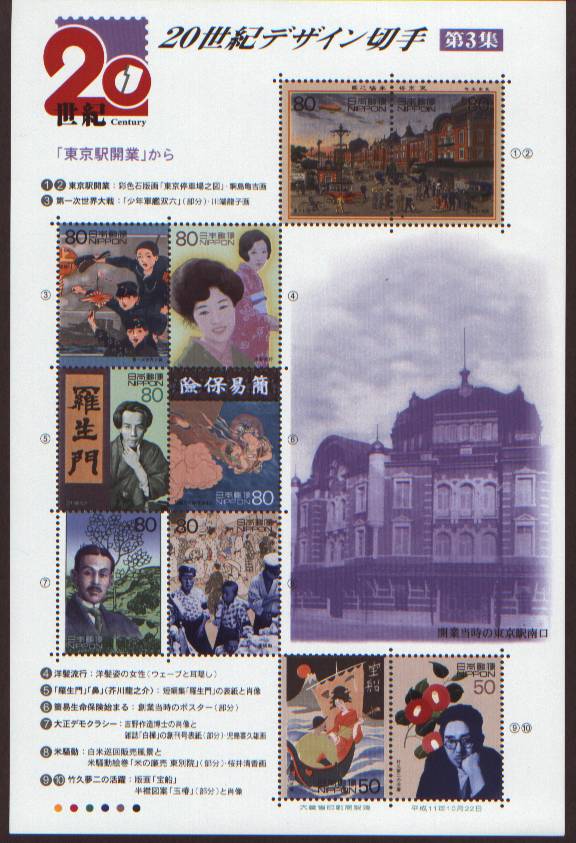
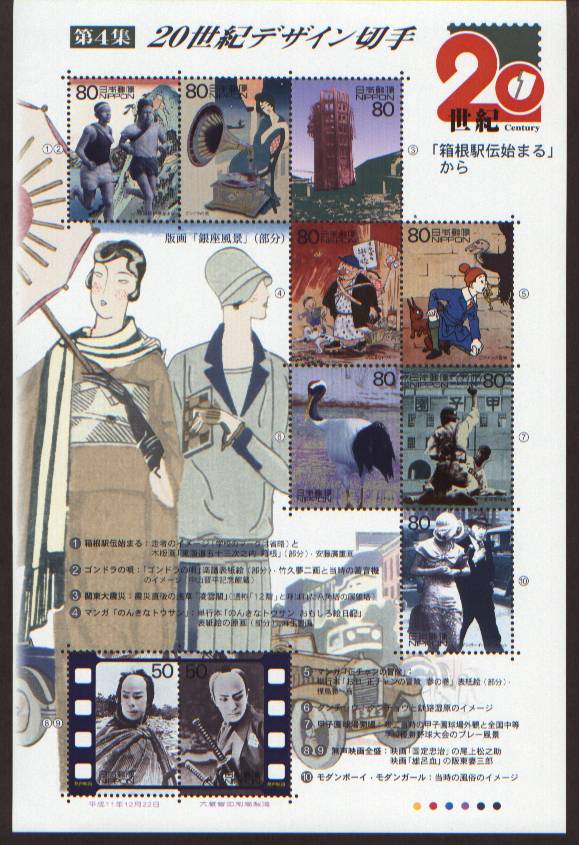
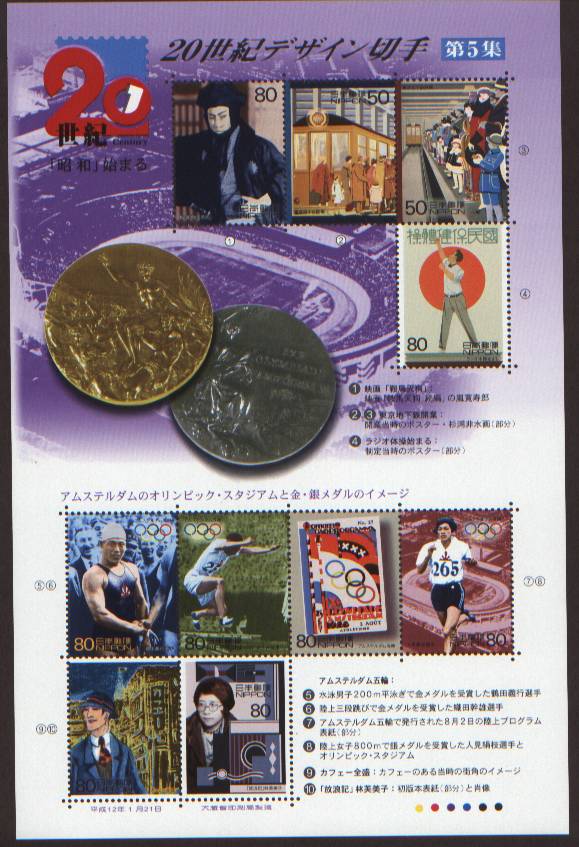
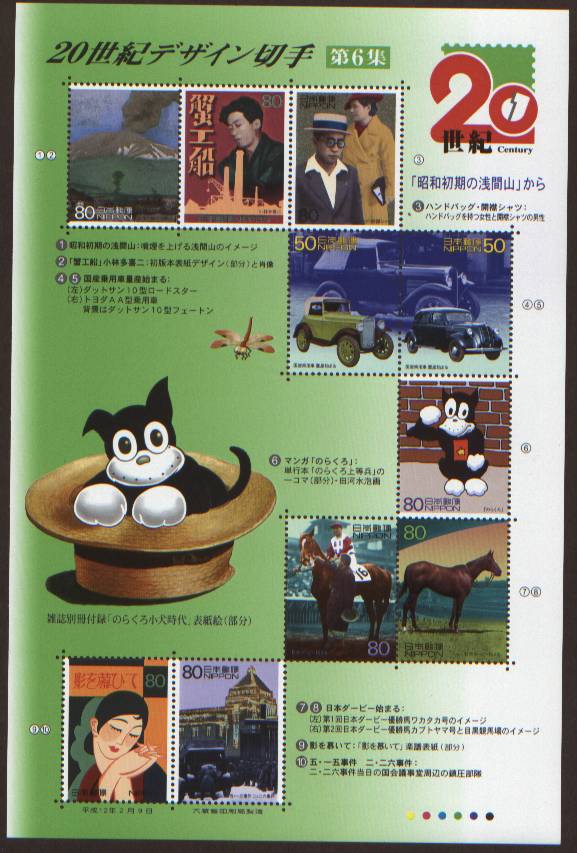
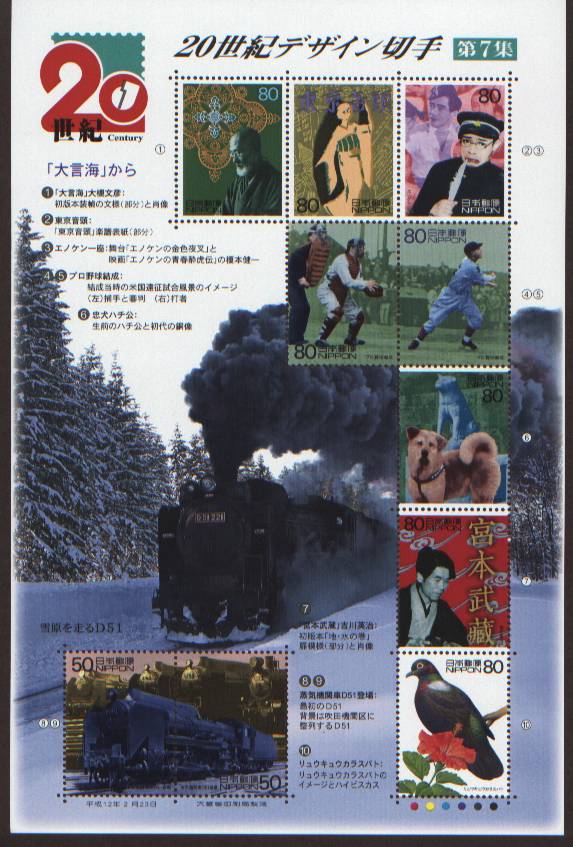
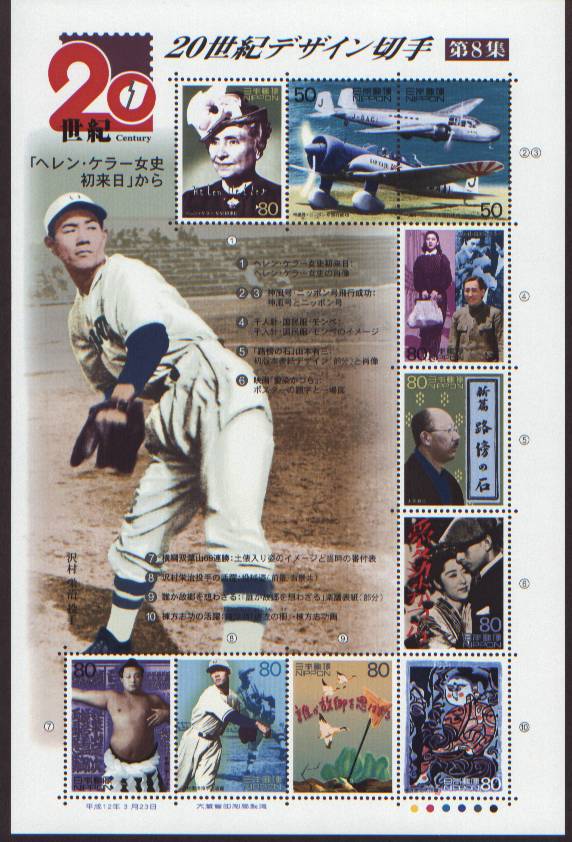
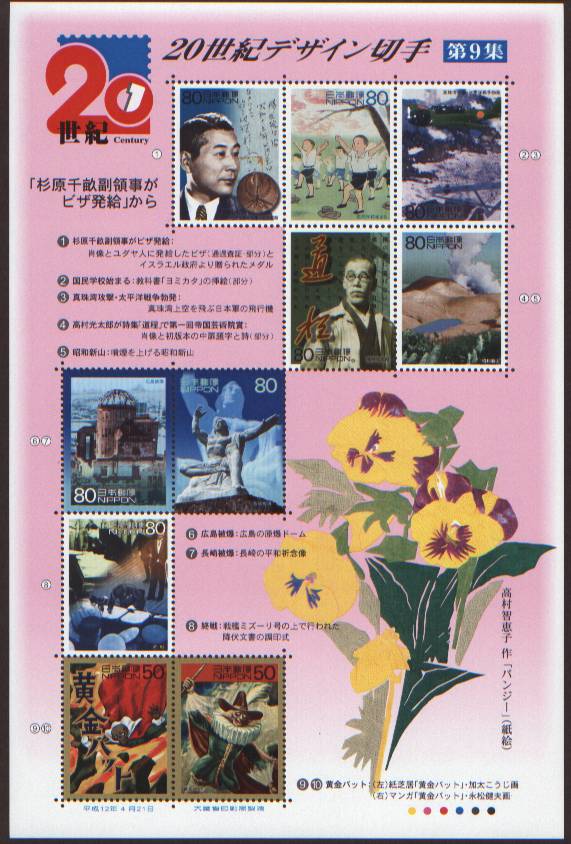
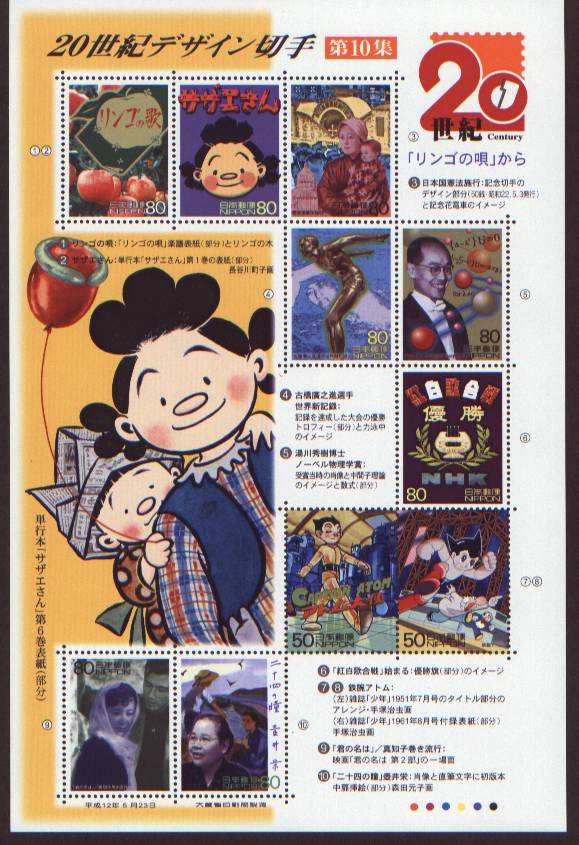
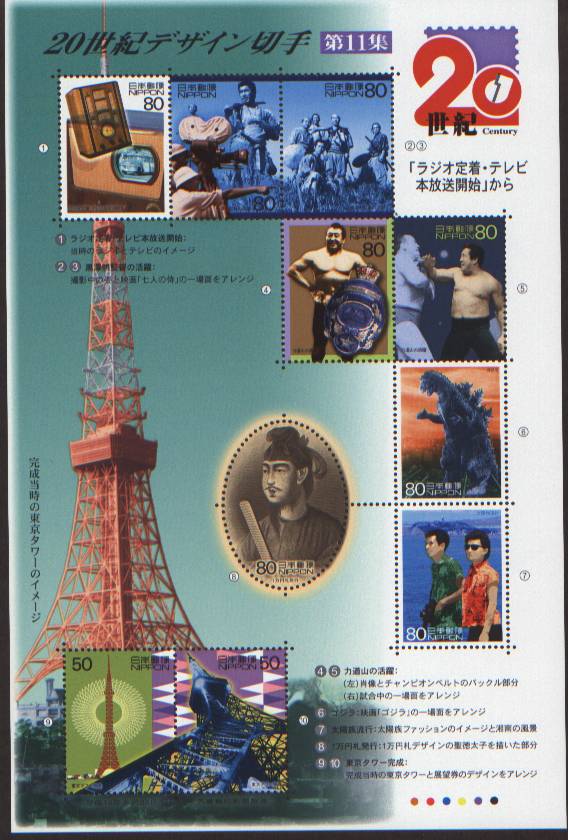
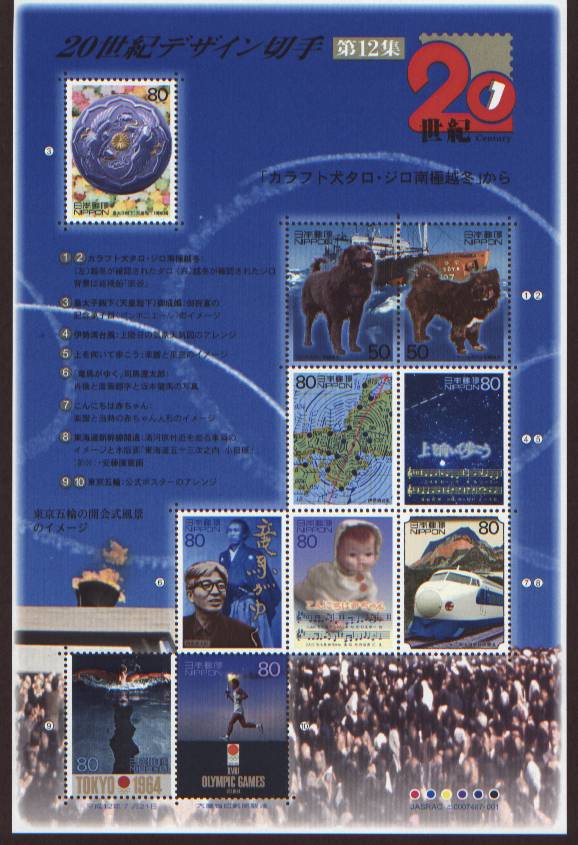
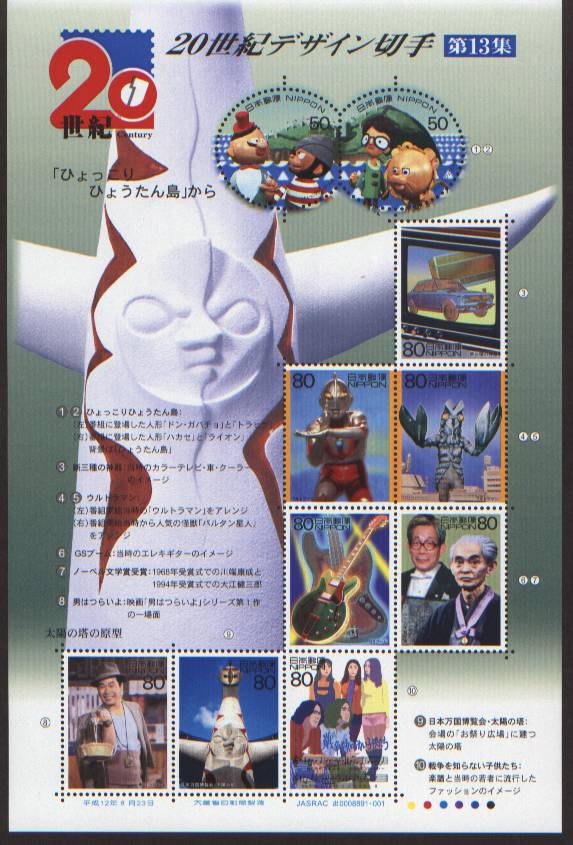
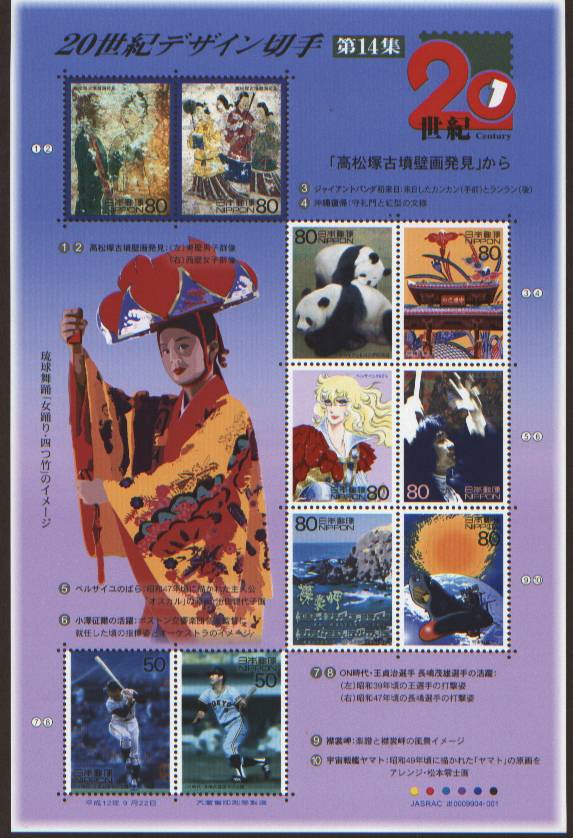
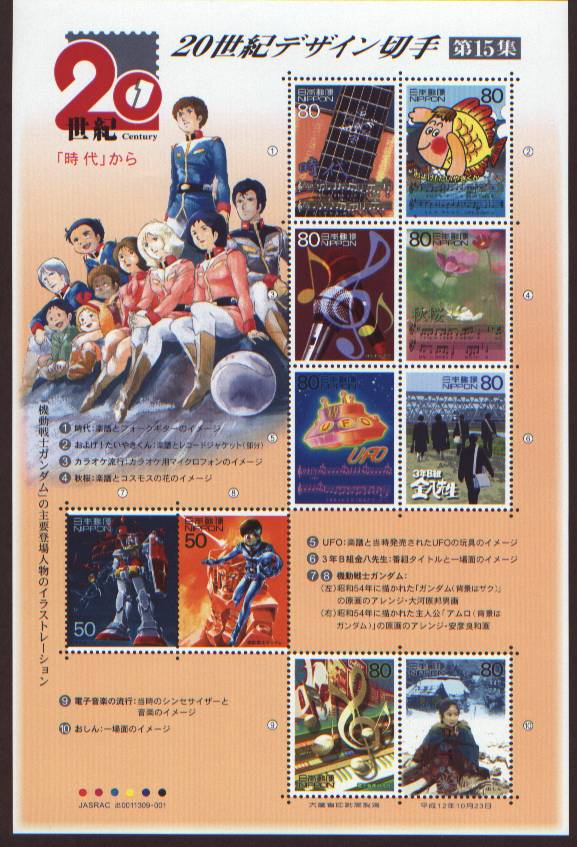
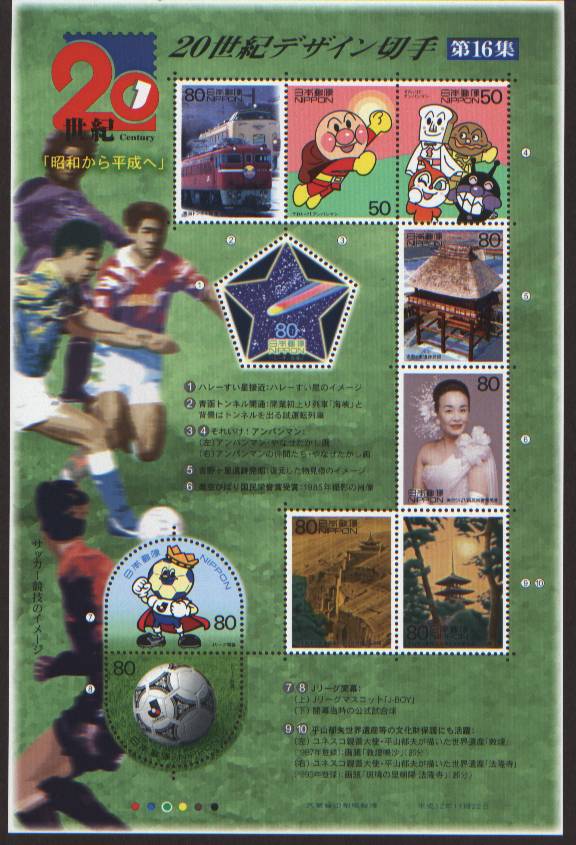
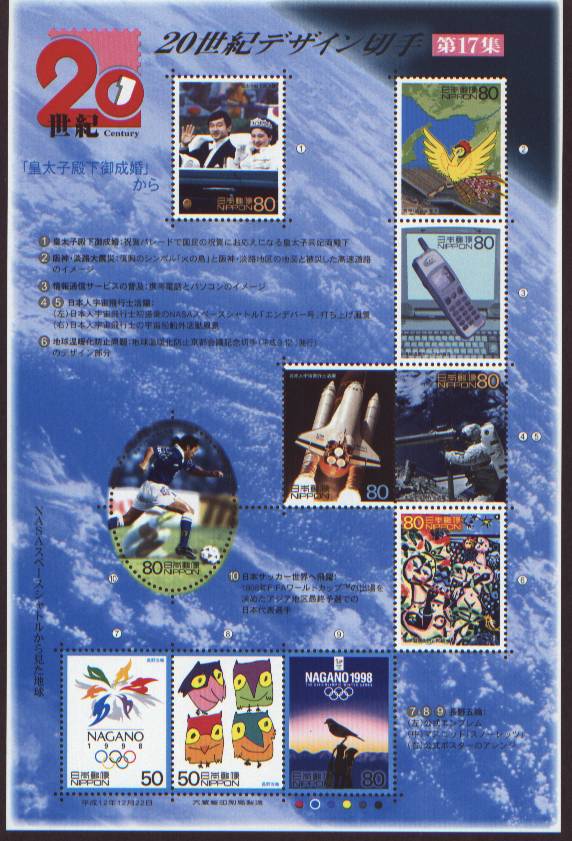
Beginning in Japan, "the Land of the Rising Sun," we are about to take an imaginary tour around the world - over the Alps, through the African bush, across the pampas of Argentina, to the American Far West. Our trip will be illustrated with colorful stamps. And along the way we will hear the stories and learn about the customs and ways of life of many lands.
Japan, which means "source of the sun," is a chain of islands in the Pacific, where cherry blossoms, ancient shrines and festival kimonos contrast with modern factories and high-speed trains.
In Japanese, the word "east" is, a combination of tree with sun, or "sun seen through the tree."
In everything the Japanese show a love of simple beauty-in their homes, in their temples, in the way they arrange a handful of flowers or drink a cup of tea. Japanese stamps reflect this same artistic touch in their delicate coloring and design, as do many stamps of the orient.
Haiku is the name given to short poems that originated in Japan some 700 years ago. Sometimes they are called "one-breath poems." Each one captures a fleeting moment or feeling - often about something in nature.
Issa, one of the best-loved of the haiku poets, was a poor man who wandered about the Japanese countryside for many years. Though his life was lonely, he never lost hold of the wonder of the world about him.
Children in Japan often write haiku in school. It might be fun to try writing your own.
Have you ever wished for a Japanese doll? Perhaps a kokeshi doll - a tall one or a short one. Peasant folk in the northern provinces spend long winter evenings painting them in the brightest of colors.
Or a daruma doll, so round and fat. Set it on its head and it will tumble right-side-up again. They say that long ago a Buddhist priest named Dharma sat for nine years in meditation, and that's how the daruma got its name. The decorations-pine needles, bamboo and plum blossoms-are all signs of good luck. |