The Pueblo
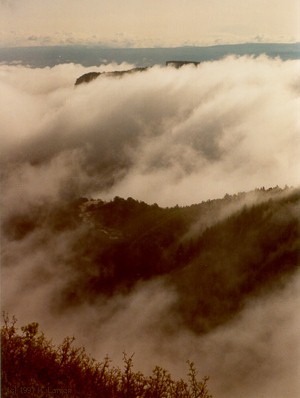
My husband, Sikya-chi, said that he would bring me one of fhose gorgeous scarlet, loud-voiced birds from the south: a kyaaro. Makes me sad sometimes, but I know that he is one of the Katsinas now.
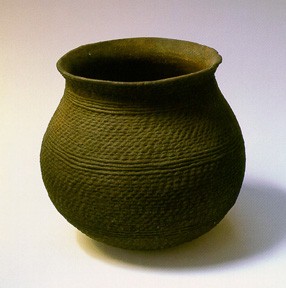
I don't know if I will marry again, but I am fine alone. My pots are favored by the traders who travel from Mesa Verde beyond the sinuous river bordered by the translucent green shung-o-hu, from Raven House near the White Mountains, and even cosmopolitan Chaco Canyon. I am honored that my work has traveled so far.
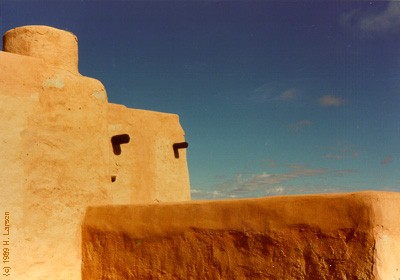
For now, I have my extended family. There are four clans here, many people, many children living in the pueblo. The thick walls of our home protect us from heat, cold, and the thunderstorms of the high desert. The vigas, the large beams that project from the
walls, are made of lance-leaf cottonwood and juniper, while the savinos, the smaller beams on top are juniper and sandbar willow. The red mud of the surrounding Painted Desert is smoothed over the beams and masonry walls to further protect our home and give a warm brown hue to the pueblo. Paler clay is used on the interior walls, but soot from our fires often darken them quickly.

Return to study