
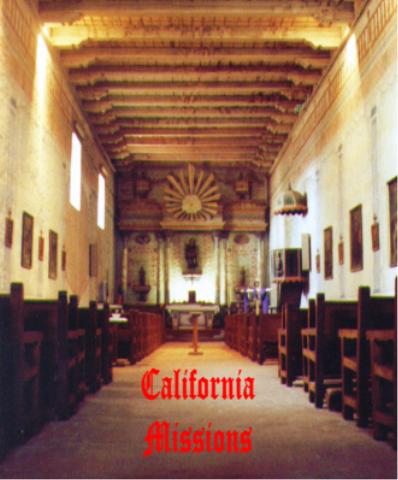
If you only have the time, resources, or inclination to visit one California mission, the best one to see is San Miguel, seven miles north of Paso Robles on Highway 101. It is by far the best preserved of the lot.
New Mexico Missions
|
|
|
|
|
|
|
|
|
|
|
|
|
|
|
|
|
|
|
|
|
|||||||||||||||||||
| The Spanish missions in Alta (upper) California were founded and initially built between 1769 and 1823, by the Franciscans. There were some 20 mission sites, and the traveler can still visit all of them today. However, most of these are completely rebuilt, the original structures having eroded into the earth, and several are only scale-model reproductions of the original structures. If you only have the time, resources, or inclination to visit one California mission, the best one to see is San Miguel, seven miles north of Paso Robles on Highway 101. It is by far the best preserved of the lot. |
|||||||||||||||||||
|
|||||||||||||||||||
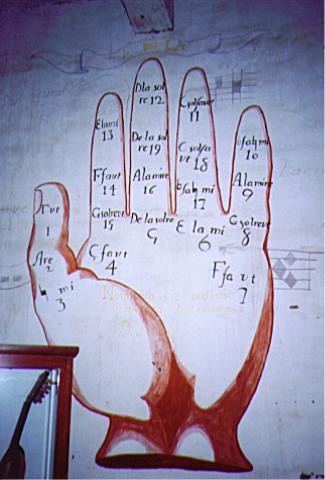
| The Indians did all the real work of the missions, including providing the music for masses and other services. This restored graphic music education aid is at Mission San Antonio. | |
||||||||||||||||||
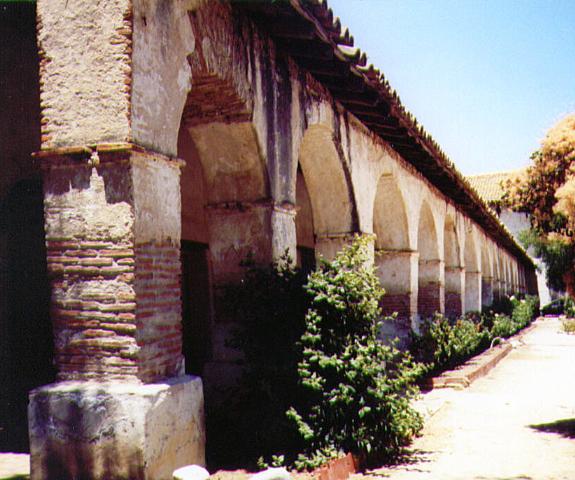
| Mission San Miguel: Large portions of the eastern side of the arcade are the original adobe masonry, however the roof timbers and tiles are replacements. | |||||||||||||||||||
|
|||||||||||||||||||
|
|||||||||||||||||||
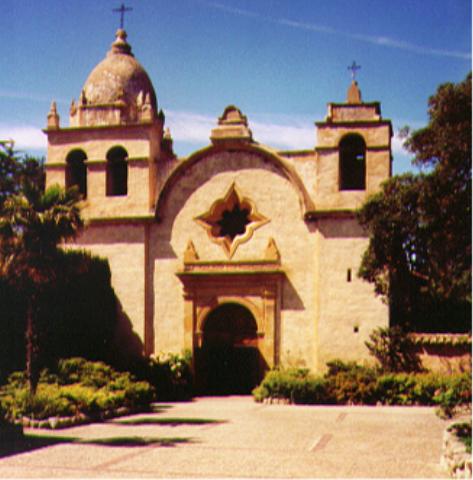
| The floral window piercing the central facade of Mission San Carlos Borromeo (Carmel) is the most frequently copied detail in California architecture of any period. | |||||||||||||||||||
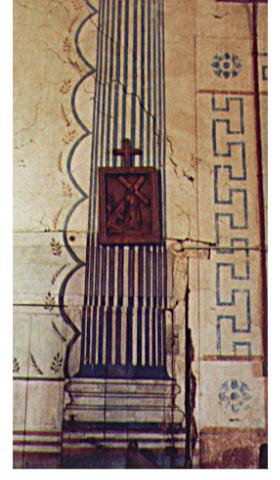
| The interior of the chapel at San Miguel was decorated by Spanish artist Estevan Munras in 1818-19. The format of his paintings is based on classical motifs -- the column, balustrude, triglyph frieze, etc. -- and taken from European pattern books of Vitruvian elements brought by him from Spain. Munras cut huge stencils for the work, and the paint, made from indigenous materials, was applied by Indian workers. The result is rendered in the brilliant and extroverted colors which frequently characterized Mexican baroque interiors, and was beloved by Indians everywhere. The effect is incongruous and distturbing, as if the viewer was encountering a Greek temple painted in day-glo. | |||||||||||||||||||
| Home New Mexico Missions |
|||||||||||||||||||