 |
 |
| WONDEROUS SKWERL ART |
 |
 |
 |
| SKWERLS IN ACTION: LIVE PHOTOGRAPHY |
 |
 |
 |
 |
 |
| CARASKWERLIO GALLERY IS PROUD TO PRESENT... |
| Many images have defined the struggle of man against nature, but none more so than the countless visual documents of natures triumph: the humble squirrel. The intriguing properties of such documents include an ambiguous and suggestive nature, able to be equally threatening and playful. The Caraskwerlio Gallery is proud to present a document of the finest skwerl images from over the years. We're sure you will find this exhibition to be vitalizing, especially the intriguing juxtaposition of both the serene and the threatening sides of nature. |
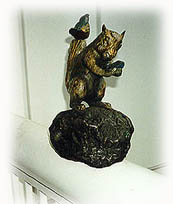
| This ancient bronze statue of a primevil skwerl documents the terror that early man held in their hearts at the sight of such a beast. Note the fierce gaze and deadly claws. Plato said it best when he wrote: "O, dread skwerl, must thee punish man for stealing thy nuts? Prithee, i know not what prithee means yet it sounds intelligent". It is interesting to note that this is the first documented case of prententiousness. |
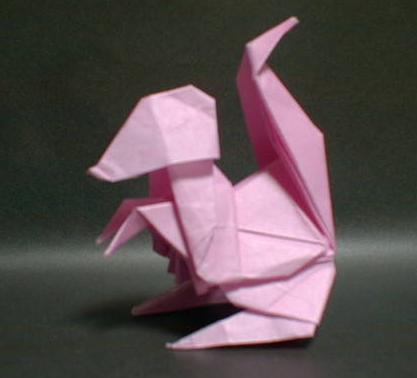
| This early origami sculpture of of a skwerl from Japan dates back to the Yamashita dynasty, when such sculptures were believed to have mystical properties. The enlightening overtones of pink suggest a metaphorical sense of freedom was prevalent throughout japan at the time, and the use of a pointed tail is a subtle comment on the deepening financial worries of that time. |
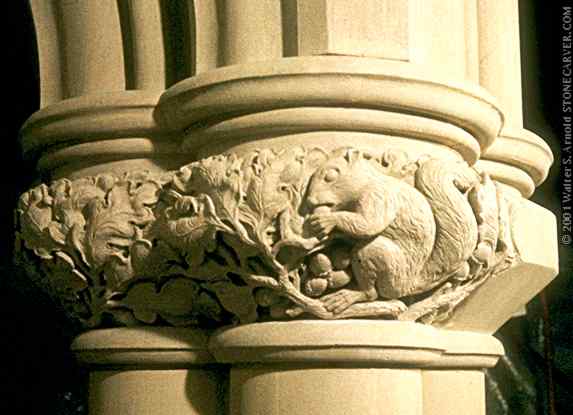
| The skwerl engraving found on this pillar, originally from ancient Greece, is supposedly to have been used as a ward, to keep skwerls at bay. The Greek fear of skwerls originates from a myth where the king Therapollonius was slain and devoured by a giant skwerl after attempting pass through a forbidden skwerl haven. It was thought that these engarvings would appease the skwerls and save the population. |