|
Classical Indian dance and music have their origins dating
back to the days of the 'Vedas'. They are very closely related to the Hindu
religion and Indian culture. Although temple dancing is no longer practiced,
classical Indian dancing is still based on its Hindu roots.
|
|
Indian dance is divided into 'nritta'
- the rhythmic elements, 'nritya', the combination of rhythm with
expression and 'natya', the dramatic element. Nritya is usually expressed
through the eyes, hands and facial movements. Nritya combined with nritta makes up the usual dance
programmes. To appreciate natya or dance drama, one has to understand and appreciate Indian
legends. Most Indian dances take their themes from India's rich mythology and folk legends. Hindu gods
and goddesses like Vishnu and Lakshmi, Rama and Sita, Krishna and Radha are all depicted in
classical Indian dances. Each dance form also draws inspiration from stories depicting the life, ethics
and beliefs of the Indian people.
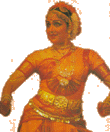
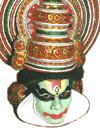
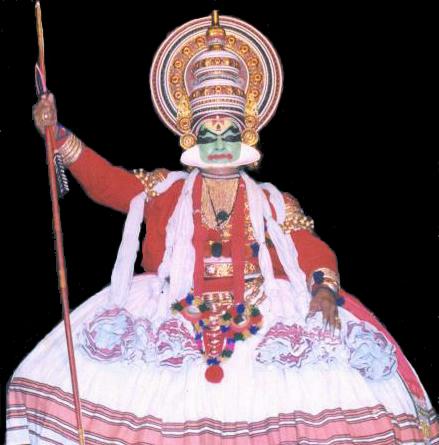
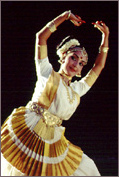
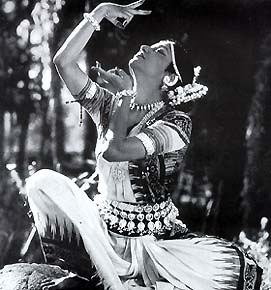
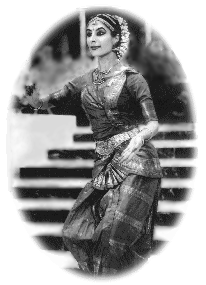
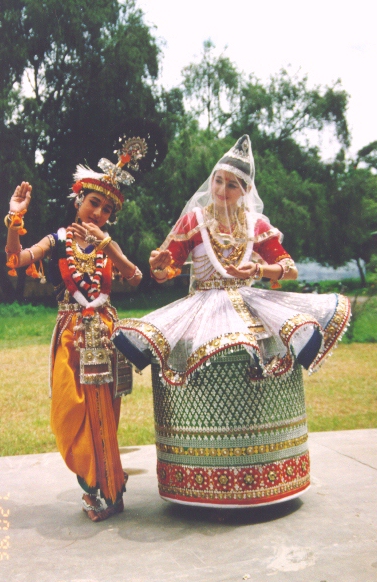
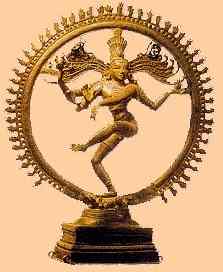
India offers a number of classical dance forms, each of which can be traced to different parts of the country. Each form represents the culture and ethos of a particular region or a group of people. The most popular classical styles seen on the Indian stage are Bharatanatyam of Tamil Nadu, Kathakali and Mohiniyattam of Kerala, Odissi of Orissa, Kathak of Uttar Pradesh, Kuchipudi of Andhra Pradesh and Manipuri of Manipur. Besides these, there are several semi-classical dances that contribute to the plethora of Indian dances. The common root of all classical dance forms can be traced to Natyasastra, ascribed to Sage Bharata who is believed to have lived between the 1st and 2nd Century AD. The Indian dance forms are based on the instructions in the Natyasastra. It also contains deliberations on the different kind of postures, the mudras or hand formations and their meanings, the kind of emotions and their categorization, not to mention the kind of attire, the stage, the ornaments and even the audience. All dance forms are thus structured around the nine rasas or emotions, sringara(love), roudra(heroic), hasya (humorous),bhibasta (disgust), bhayanak (fear), viram (courage), karuna (compassion), adbhuta (wonder) and shanta(peace). All dance forms follow the same hand gestures or hasta mudras for each of these rasas. The dances differ where the local genius has adapted it to local demands and needs. BharataNatyam originated in the great temples of the south and usually tells of events in Krishna's life. Bharatanatyam dancers are usually women and, like the sculptures they take their positions from, always dance with bent knees. Kathakali, another major dance form, originated in Kerala and is exclusively danced by men. It tells of epic battles of gods and demons. Kathakali dancing is noted for the elaborate make-up and painted masks which the dancers wear. Since Kathakali was a jealously guarded male preserve, Mohiniattam was specially created for female dancers.Mohiniyaattam is a distinctive dance form of Kerala. Wide swinging steps and the swinging movement of the torso from side to side are traits of mohiniattam. Rhythmic variations called 'choll~' based on patterns of rhythm syllables are an integral part of the vocal accompaniment. And this is gracefully rendered by the dancer with beautiful gestures and footwork. Odissi,is the traditional dance form of Orissa and owes its origin to the temple dances of the devadasis (temple dancers). Possibly, the oldest classical dance form in the country, Odissi has been mentioned in inscriptions, depicted on sculptures, in temples like the Brahmeswara and the dancing hall of the Sun Temple at Konark. In the 1950s, the entire dance form was revitalised thanks to the Abhinaya Chandrika and sculpted dance poses found in temples. The classical dance type Kathak, which reveal a lot of Persian and Mughal influence who altered dance into a courtly entertainment. The dances has intricately choreographed foot movements. The ankle bells which dancers wear must be adeptly controlled and the costumes and themes are often similar to those in Mughal miniature paintings. Kuchipudi, the indigenous style of dance of Andhra Pradesh took its birth and effloresced in the village of the same name, originally called Kuchelapuri or Kuchelapuram, a hamlet in Krishna district of Andra pradesh, India. The most popular Kuchipudi dance is the pot dance in which a dancer keeps a pot filled with water on her head and feet kept on a brass plate. She moves on the stage manipulating the brass plate, with the feet kept on its rim and doing some hand movements without spilling a drop of water on the ground thus astounding the audience. As the name indicates, Manipuri dances come from the Manipur region in the north-east. These are folk dances and the message is conveyed through body and arm movements. The women dancers wear hooped skirts and conical caps which are extremely picturesque. |
|
Return Back To 
|