
Let�s say we were given this statement
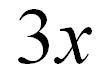
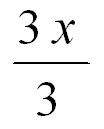
Well, if the number 3 is multiplying by x � we simply divide by 3 to get

Now let’s say we were given this statement
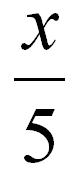
The x is being divided by 5. In this case we multiply also by 5.
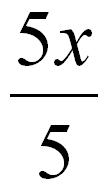
The result is that we keep the x alone, as we wanted
Another example follows:
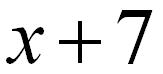
The x is being added 7 units so we make just the opposite: we subtract 7 units.
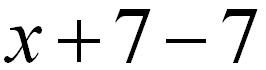
The x alone again.
This next example might seem difficult but it is actually very simple
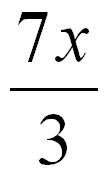
We ask ourselves: What is the opposite of 7/3?
Answer: Just invert the numbers. The answer is 3/7
Let’s do it
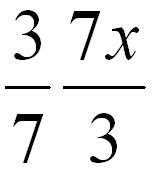
What we just made is the same as dividing 7/3 by 7/3 which could also be done and is also equal to 1. Again we are using the opposite operation.
Last example:
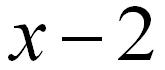
The x is being subtracted 2 units so we make just the opposite: we add 2 units.
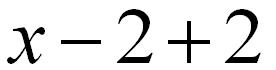
The x is alone again.
What we did in all 4 cases was simply using the opposite operations using the same numbers that were near the x.