The founder of the British Moscatis was Francis Maria Moscati or (Francisco) who ,according to family lore, left Italy as a political exile.It was said that he had been a soldier with Napoleon. He travelled through France and Belgium to London. On the way he is said to have left his sister in a convent.
However what I have proved is : Advertisements for pupils were put in The Times in 1818.
He met Dr Gall of Phrenology fame in Paris and was converted after previously having written satirically against the 'science'. He arrived in Britain on 6 October 1831 .
In 1832 he was active in the London Phrenology Society and wrote a paper about Spurzheim in The Lancet in 1833. In 1834 he fell out with the society's president. He was called the 'disgraced prosecuter of The Times newspaper' and 'an imposter'.
He apparently called himself Marquis Moscati and considered himself a literary figure . {This information came from John van Wyhe as a result of his History of Phrenology web page.)
Francis settled in London living in Somerstown and the Pancras area . His death certificate says he had been professor of languages ( he knew Italian, French, English, Latin and Greek) .He had advertised his services in The Times around 1818. He did , however , have pupils one of whom was Sarah Isabel Thompson the future Mrs William Sidgwick to whom he taught Italian. She refers to him in her memoirs as Marchese di Moscati and said he was the former private secretary ( aide de camp) of Napoleon. He was in her view a shabby snuffy old man with a face badly scarred by smallpox. He was always full of dramatic tales. He was an ex-soldier.
He wrote a number of letters to the Times and took out civil action against the printer, and later against Longman and others. The accounts of the trials make sad but amusing reading [A biographical sketch can be read on The Victorian Research Web. Dr Eileen Curran has contibuted a sketch of Francis to her Biographies of Obscure Victorian Contributors to 19th-Century Periodicals.]
Among his many published articles were two reviews for the Athenaeum magazine which were both reviews of foreign publications, one French and the other Italian.He married Emma Handford at Old Church St Pancras on 22 April 1821 by licence of the Vicar General. She later was seduced by, and ran off with, an Irishman which is why Francis Maria returned to London on 6 October 1831 - to save her from perdition; but without success.
Francis Maria died on 30 June 1847 at 79 Chalton Street in Somers Town. He had had cancer of the tongue for 7 months and died of exhaustion. According to Mrs Sidgwick he suffered greatly but bore it with patience and dignity. I found letters he had written to a minor aristocrat a few months before he died wher he describes his suffering and begs forgiveness for his misde,eanours, and expresses gratitude for the help he had been given. He was attended by Mary Moscati , his wife, born about 1806. In 1861 census she was a laundress, whereas in 1841 census she was 'of independent means'. She died on 13 February 1886 in Hackney of pulmonary congestion and asthenia.
There were at least 2 children:
1. Frances Harriett born about 1834. She was described in 1861 census as age 19, a kitchen maid.In 1860 she married Robert Mann a clerk, son of George Alloway Mann who was an engraver or hardware salesman. In 1881 Robert was a railway accountant.
2. Francis Jr was born on 27 March 1836 in Marylebone district.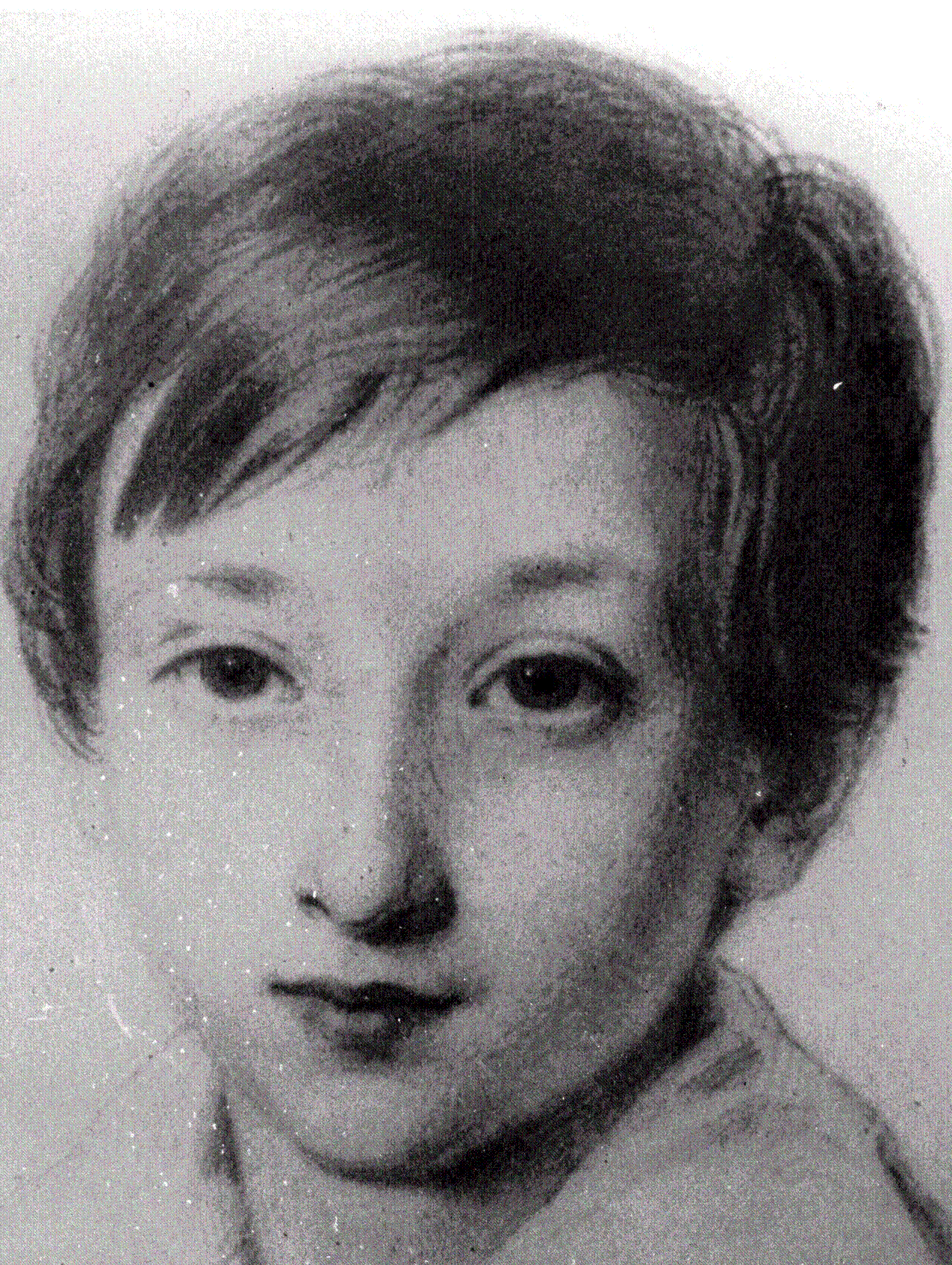 Francis Jr at about age 8 drawn by Raffael Fidanza, a family friend.
Francis was said to have been a bit of a rough lad in his youth, acting as a sparring partner for the bare-knuckle fighters on Hackney Downs. He became friendly with a future editor of the Hackney Gazette who introduced him into the Freemasons. After joining them, his billposting business took off, but he became an alcoholic.
He married Mary Burten (born about 1833 Southwark) in 1858 at St Martin-in-the-Fields. She was the daughter of Stephen Burten( died 1838, Southwark), a tailor, and Sarah Idels [nee Chapman] who died 1844 in St Mary Newington. Sarah and her husband William Idels had 5 children, most of whom have been identified. Mary Burten was born in Southwark, and was a confectioner [1861 census].
Francis began working for and later became a printer but ended his life as an advertising agent . He died on 27 March 1910 on his 74th birthday. He had had acute and chronic pneumonia, albuminuria which led to coma for 4 hours.He was buried in Abney Park Cemetery.
Mary died in 1922 aged 89 from hemiplegia and senile decay, and was buried with him.
They had 11 children.
1.Ellen Mary Moscati born on 3 July 1859. She married in 1880 an inlaid furniture maker named Franz Minde from Danzig. She had a son Athro or Althro born on 4 April in 1881; and a daughter Ethel Louise born 1897. Franz Minde died in 1901 aged 46.
She married again in 1908 David Frank Day a widower ..
Althro married Annie Reed in 1909. They had a son Francis William Minde who was born 1909 and died 1977. He married Mabel Bonsey who died in 1997. He had spent his working life in the film industry.
They had two children
Ethel married Leonard Arnold but had no children .
2.Francis Moscati (1861-1922) was a compositer for the News of the World. He married Sybella Harriet Simmons on 5 April 1890 in St Pancras parish church. He had a son Francis born 1891 who died aged 3 months and had a daughter Lilian Sybella (Lily) Moscati born 1887 who married George Weller in 1917
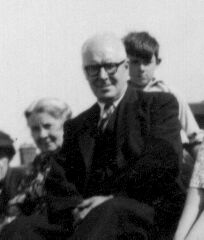 They had 3 children- one daughter still living.Her descendents now live in the north of England.
3.Stephen born 23 December 1862. He married Joanna Henderson Leslie aged 25 at Manningham in Yorkshire on 15 October 1883.She was the daughter of George Leslie, a traveller.
Stephen died from rheumatic fever on 22 July 1884 aged 21.
Joanna had two sons called Robert Leslie Moscati and Frank Ernest Lewis Moscati born in 1888 and 1893 respectively , fathers unknown. Both died unmarried - one in infancy, the other in WWI. She remarried in Chester in 1902.
4.Sarah Fanny Moscati born on 18 October 1864 at Free Hospital, St Pancras . She married Augustus William John Darby a commercial clerk,in Westminster in 1895. She died in 1943 in Stourbridge.They had a daughter Mary Elizabeth Ellen Darby born in 1904. She married JOHN GEORGE KERRIDGE and died in South Warwickshire in 1991.
5.Annie Moscati, (1865 - 1947 ) married Sam Rodwell in 1896. He was a policeman and later of the RSPCC and they had 6 children.
7. Arthur born 9 March 1872 and died the same year. 8. Henry who married Mabel Alethea Mary Baker and had 3 sons.1. Francis Henry Victor , born 1902, who married Lily Kathleen Nixon in 1930 He worked for the Baltic Exchange and in Insurance, and died near Eastbourne in 1977.They had no children.
2. Harold Edwin Thomas. born 1904. He married Gladys Watkins in 1935. He served in the Royal Engineers , at one point reaching rank of captain.He worked for the Port of London Authority. They had no children. He died in Eastbourne in 1989.
3. Bernard Stephen Cuthbert died aged 19 on 23 February 1927 at London Hospital, Homerton of rheumatic fever and was buried in Abney Park Cemetery in 1928.I have since found a Henry C. born 1914 and an Olive R.V. born 1918 but can find no more information for either of these people.
9. Alfred Moscati born 1875 who drowned in the River Lea on 18 June 1888.
10. Emma born 22 February 1877 and died aged 18 months in 1878 from whooping cough.
11. Walter born and died 1878 from congenital problems.
There is an unknown Elizabeth Moscati born about 1859- 1862. She was living with [Frances] Harriett and Robert Mann in 1871 and 1881 censuses, described as niece and as a governess pupil.So far I have found no other records for Elizabeth; but did find a marriage for a Lily Elizabeth [ whose father was given as William Moscati, sailor] to an Edward Richardson.They are not in the 1891 census.
My father heard mention as a child of a 'black sheep' whom the family did not talk about. Apparently was once seen with children by a member of the family. Again I have searched records but can find no other person who is unexplained.Brick wall.
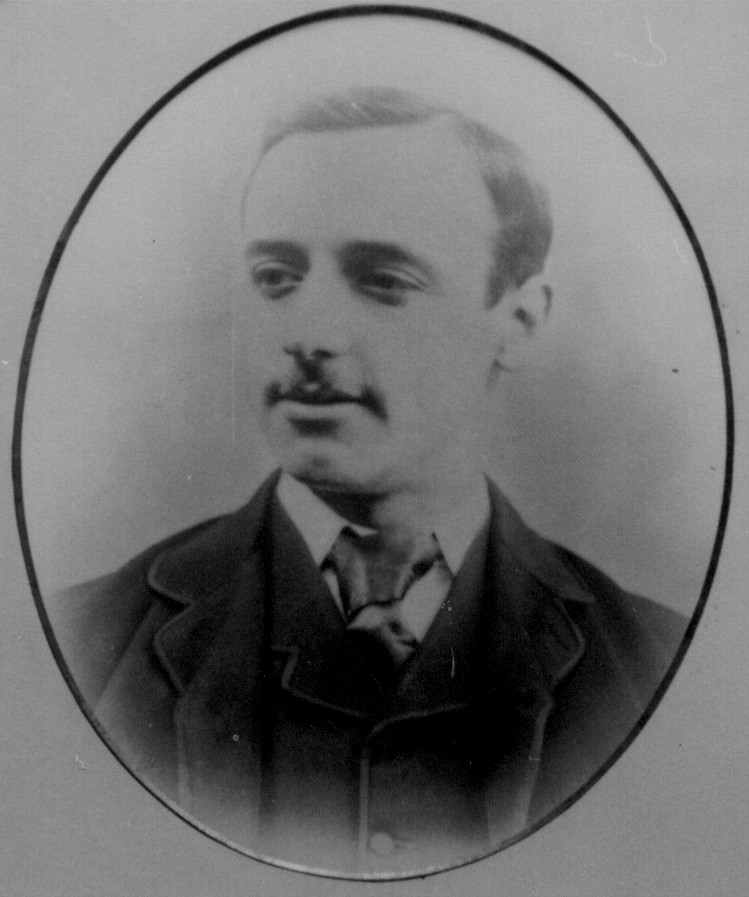 married Ethel Anna Whiting.