Collecting your
own seeds from your own successful garden beds is an activity with a number
of benefits. By collecting seeds from the healthiest of plants in your
garden beds, you are helping to adapt the particular vegetable to your
growing environment. If you notice some plants are more resistant to certain
pests or sicknesses, you can encourage those resistant seeds next year.
By collecting your own seeds, you don't need to buy seeds next year. If
you collect enough seeds, you can sell seeds to others as an income generating
product.
However, you
always want to make sure the seeds you are collecting are going to be viable.
Planting seeds that, for one reason or another, won't germinate is a waste
of valuable time and energy. Selling seeds that won't germinate is bad
for business, and can foster ill feelings in the community. Testing your
seeds will tell you what percentage of your tested seed will be viable.
Begin by separating
a number of seeds to act as a representative sample. The sample should
not be so small (i.e. 10) that gemination rates are more from chance than
from reflection of the rest of the seeds , nor should it be so large as
to remove a large part of your seed collection.
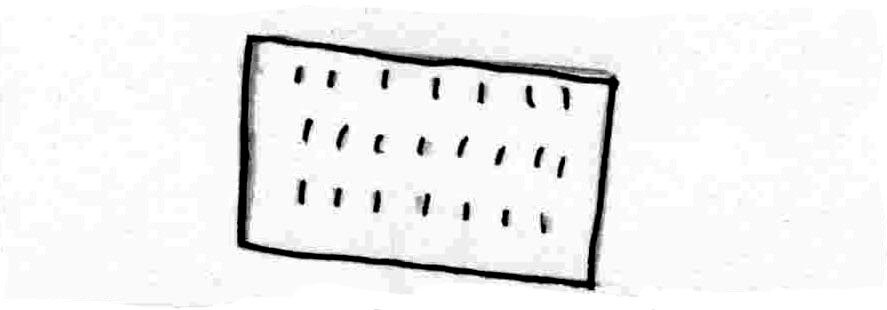
Spread the sample out along a small sheet of cloth or newspaper. Space out the seeds evenly.
Place a second sheet of cloth or
paper on to of the first paper.
Loosely roll the paper up and tie
it every 3-4 inches.
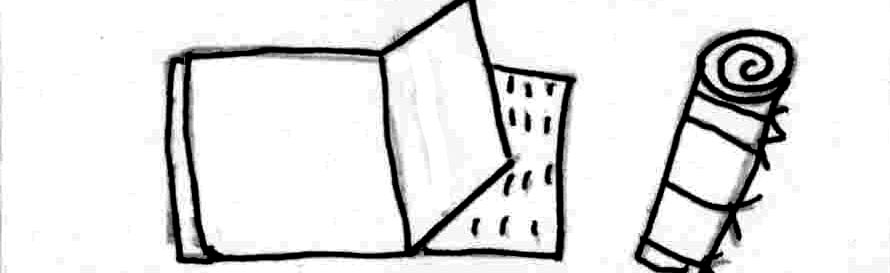
Soak the paper in a bucket of water for 10 days.

After 10 days,
remove the cloth and count the number of seeds that have germinated. If
90% of the seeds have germinated, the seed should be considered good. If
less than 60% of the seeds germinate, the seeds should probably not be
used.