Neem
tea.:
Boil neem leaves
in water until a dark tea is made. Allow it to sit for 2 days and apply
to
your garden plants. This is a repellent and should be reapplied every week.
Insectcidal
soap:
Shave a bar of
local laundry (a local lye and oil/fat soap) soap and boil it in 4 liters
of water. Apply to plants when cool
Garlic:
Grate or chop
1 bulb of garlic and cover it with vegetable oil for a day. Mix it with
1 liter
of insecticidal soap and 20 liters of water
Hot
pepper spray:
Boil one 50 Butut
(1-2 tbls) bag of cayenne pepper in 1 liter of water
Wood ash:
Apply wood ash
straight to the plants, the sharp surface of the ash will irritate many
insects.
Hot water:
A three second
spray of 150OF
water has been proven effective against whiteflies, thrips,
mites, aphids, and scales. If you can get yourself a good cooking thermometer
that can show when the water is at 150OF, you can use a normal
watering can
(be careful that you don't get burned) to apply. At this temperature, the
pests are
killed but the plants are not damaged. In fact, sometimes exposure to water
heated in this
range can stimulate growth.
See the Gambian Gardening Manual for more detailed recipes and applications.
Cassava
Peels:
Boil cassava
peels in water to form a thick solution. Fill a 1 meter deep pan half-way
with the solution. Smear peanut butter an inch above the waterline. Bury
the pan so that its edge is just higher than the ground level.
Bury the dead bodies and move the pan around.
Gliciridia
extract:
Boil 2 handfuls
of gliciridia bark in 1/2-1 liter of water. Let the solution cool and mix
it with 10 kg of grain.
WARNING
- Keep this away from children and livesstock. This destroys mucus membranes.
Castor
Bean:
Plant castor
beans around your house to act as a repellent
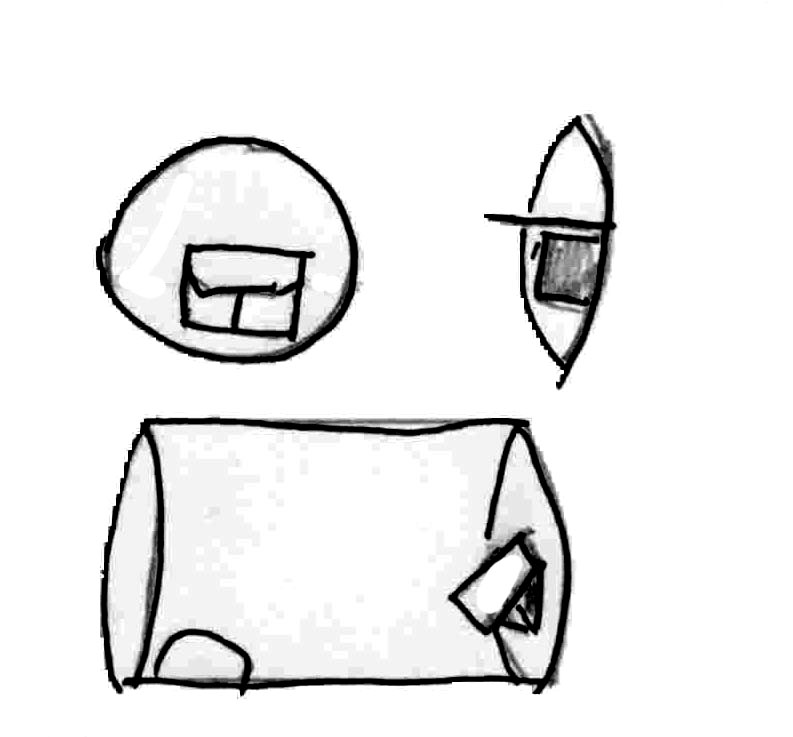
Take a peak can
a poke air holes in the bottom. Cut a small hole in the top. Attach a piece
of metal to the inside of the hole to act as a door. This door should extend
to the bottom of the can, to create a door that swings in, but not out.
This acts sort of like a one-way valve.
Place the can on its side and bait
it. It helps to prop the door open with half of a matchstick. The rat enters,
the door closes, and the rat is trapped.
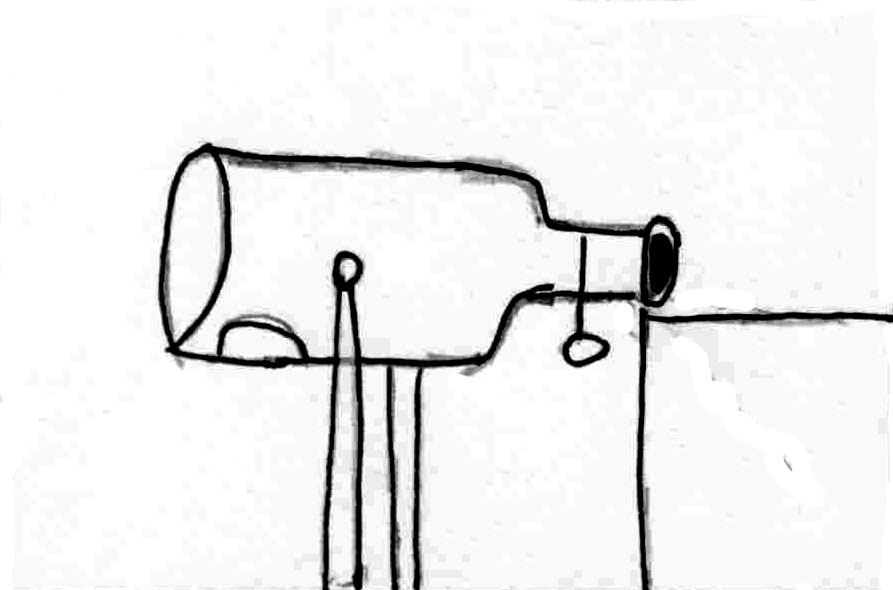
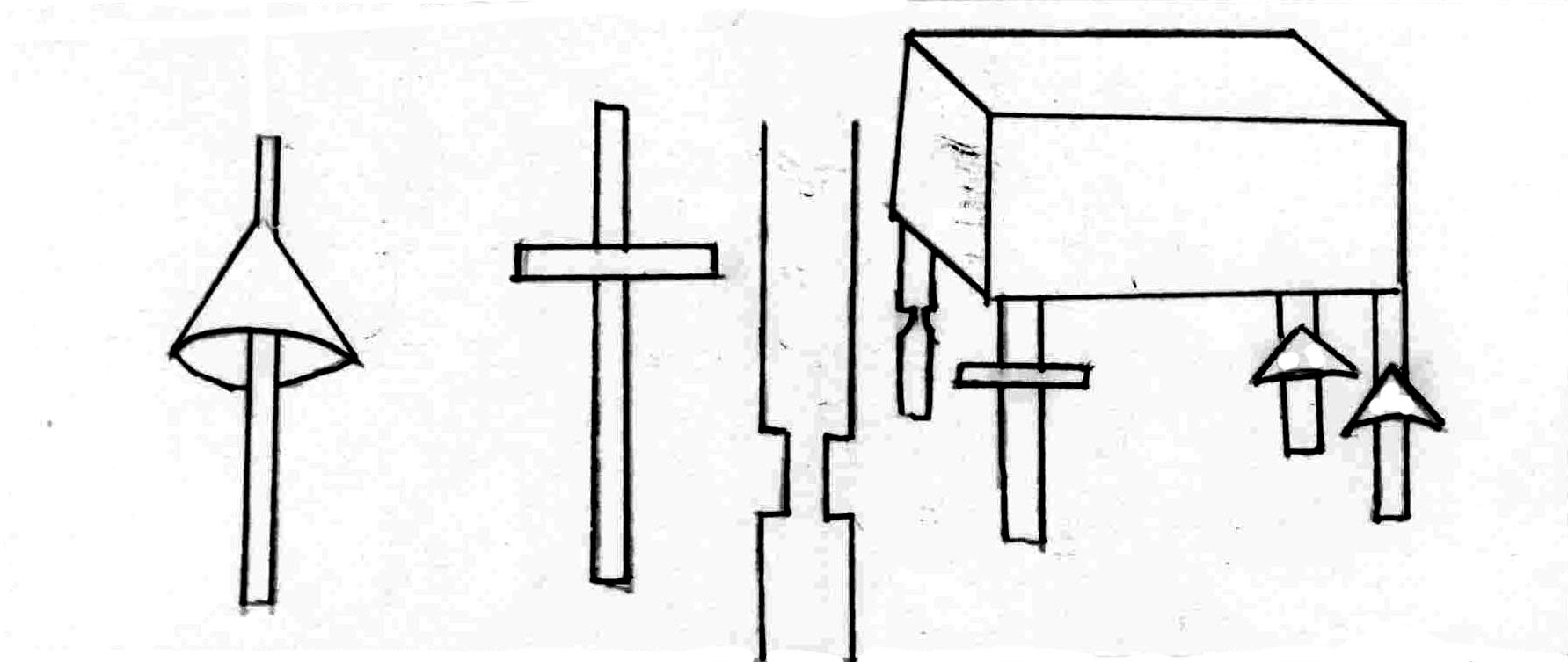
One Volunteer,
the infamous Mad Dog, has come up with this simple trap. The bate is placed
in the bottle, and the bottle is balanced horizantally. when the mouse
enters to get the food, it tilts
the bottle so it faces up, catching the mouse.
The
best mosquito control method is removing all water sources to prevent them
from reproducing:
Remove the grass and weeds from around your house.
Cover all stored water containers
Remove or destroy all sources of stagnant water around the house
Also, these plants can be used to make mosquito repellents:
Catnip
Dried catnip saches and a strong
catnip tea can be used topically or sprayed around the home to deter mosquitos.
In fact, catnip is 10X more effective
than DEET for deterring mosquitos and may actually be growing wild on many
Gambian roadsides and on the edges of fields.
Or, mix catnip, and whatever other
mints you may have, and soak cover them with vinegar. Let this sit for
2 weeks, shaking daily, strain, and use topically.
Neem
Neem oil is also a mosquito repellent
that is not only is also stronger than DEET, but is actually good for the
skin.
Dried neem leaf sache's can also
be used around the house.
Garlic
Dilute garlic juice with 4-5 parts
water. This can also be used as a topical spray or sprayed around the home.
Also, chopping 1-2 heads of garlic
and allow it to sit in 1/2 cup mineral or vegetable oil for a few days.
strain out the garlic and dilute with 1/2 cup water and spray on topically.
Other methods:
If you can find
lemongrass, peeling, crushing and rubbing the leaves against your skin
can act as a repellent.
Soaking the leaves in alcohol to
make a tincture can extract the oils and to make a topical spray.
Rubbing (isopropyl) alcohol can be used topically as a repellent, but it can also dry the skin.
Other mints can be dried and hung around the house to repel mosquitos, or made into a strong tea to use topically.
The smoke from burning sage or rosemary also repels mosquitos.
This is in the theory phase, so any adventurous and inquisitive souls can experiment with different designs. In the states, citronella candles are essentially wax candles with the essential oil of cintronella, which can be obtained from a relative of lemon grass. Other scents that repel mosquitos include lemon grass, local mints, basil, eucalyptus, rosemary, and pennyroyal. If the oils from these herbs can be incorporated into candles, they could act as a form of mosquito repellant.
Take a clear plastic bottle and cut the top quarter off of it. Place some bait in the bottle (anything sweet and/or smelly will work). Invert the top and place it into the bottle so that the mouth faces inwards. Hang the trap up on its side in a sunny spot. The flies will smell the bait fly into the bottle, feed but then try to fly out in the direction of the sun. Since they are heading towards the sun and not towards the mouth, they will not be able to escape.
Cucumber peels,
garlic slices or catnip can be placed or hung around the house to repel
cockroaches.
Cockroaches are
killed when sprayed by soapy water.
An easy roach
trap can be made by soaking bread in beer and placing it in tin cans around
the house.
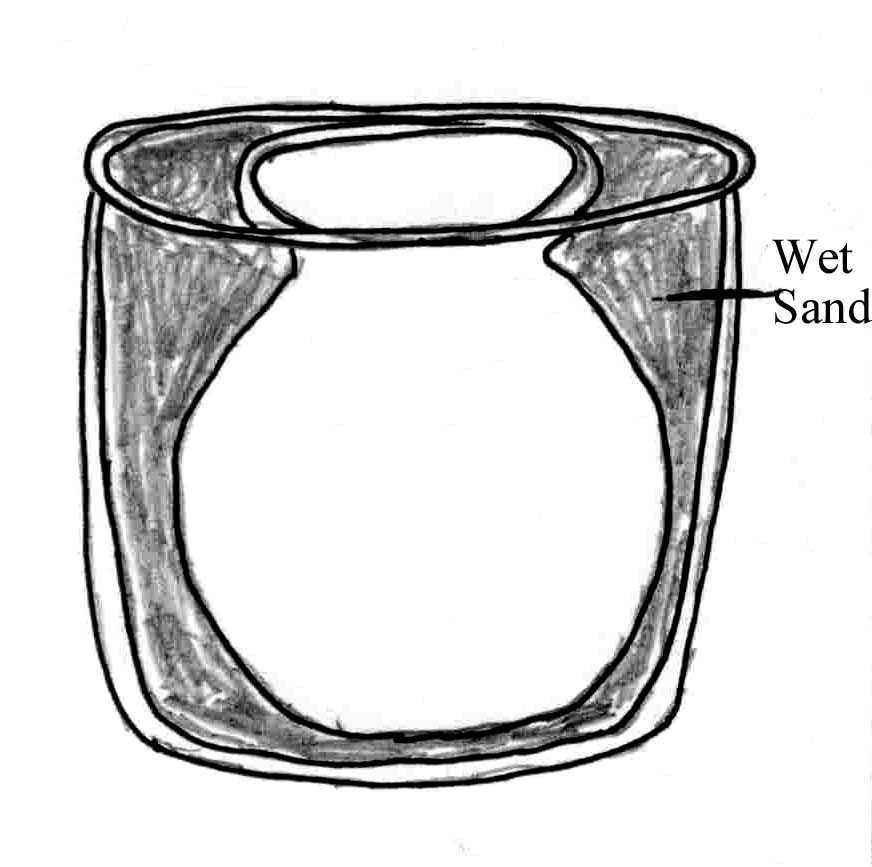
Also,use the following trap:
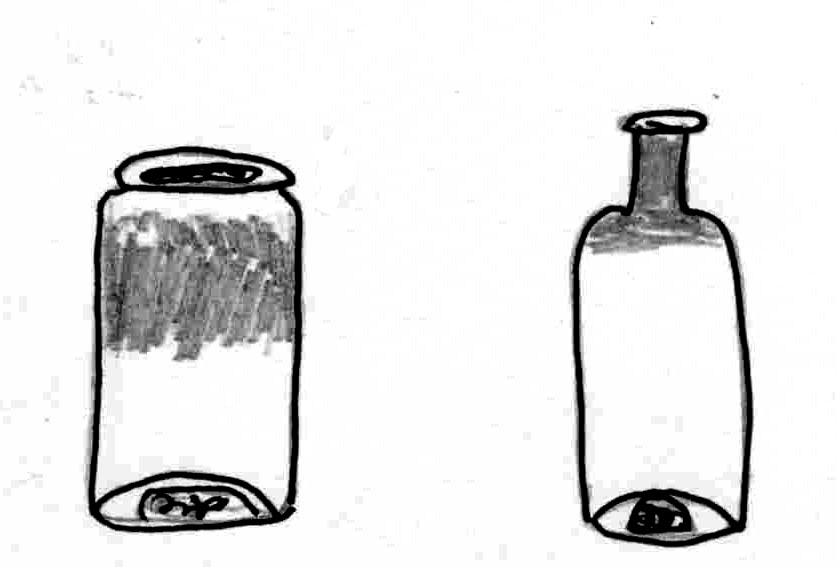
Take a glass jar and smear vaseline
around the top few inches. If you have flying roaches, use a bottle with
a small mouth. Place some smelly, greasy, or otherwise attractive bait
in the bottle and set in a dark corner. Roaches will climb in, but the
vaseline will prevent them from climbing out. After a few days, release
or creatively dispose of your quarry, and reset the trap.
1. Blend the ingredients together
into a firm dough
2. Roll the dough into small balls
3. Place the balls into areas frequented
by your six-legged friends. Replace the balls when hard
and dry
Also, ant will not cross lines made
from cayenne pepper, coffee grounds, cinnamon or chalk.