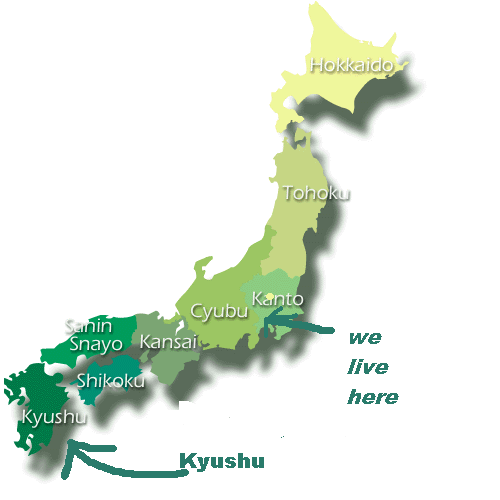
Kyushu is on of my favorite places in Japan despite the awful humidity in the summer time and the lack of excitement in certain areas. Kyushu is the Southern most island of the four main Islands in Japan. Okinawa of course is further South and quite detached from the main islands.
One of the most well known cities to Westerners is Nagasaki unfortunately made famous by the second atomic bomb dropped during WWII. This bomb was larger than Hiroshima however Hiroshima will always be the most well known due to it being the victim of the first atomic bomb in humanity's history. Nakasaki is famous for other historical events such as the immigration of the Dutch in the early 1500s followed by St. Francis Xavier and Christianity. Currently there is a village representing the original settlement of the Dutch. It is more of an attraction now with expensive hotels, beautiful houses, flowers, canals. All you would expect to see in early Holland.
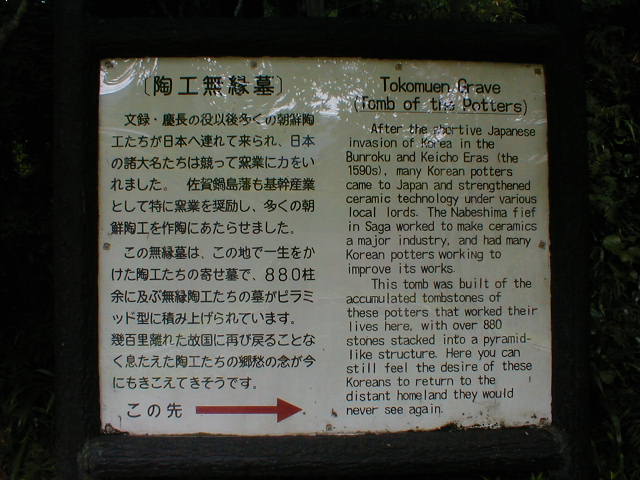
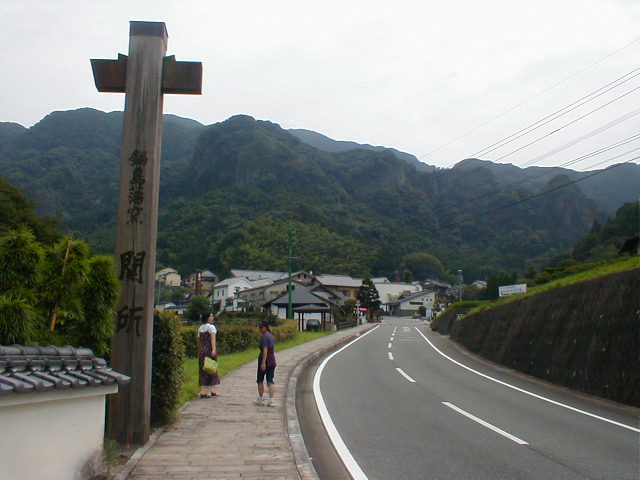
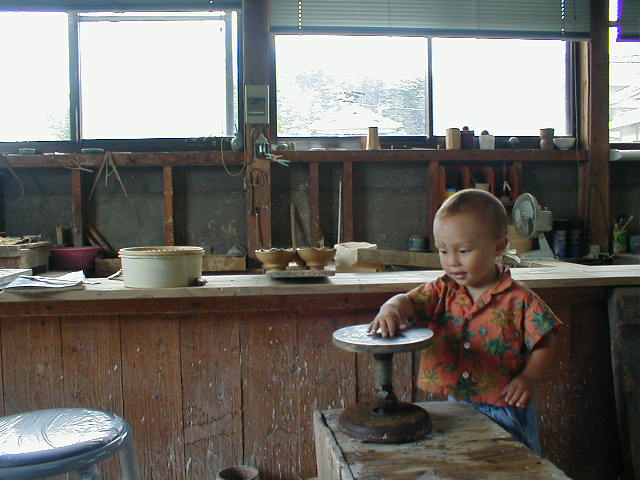
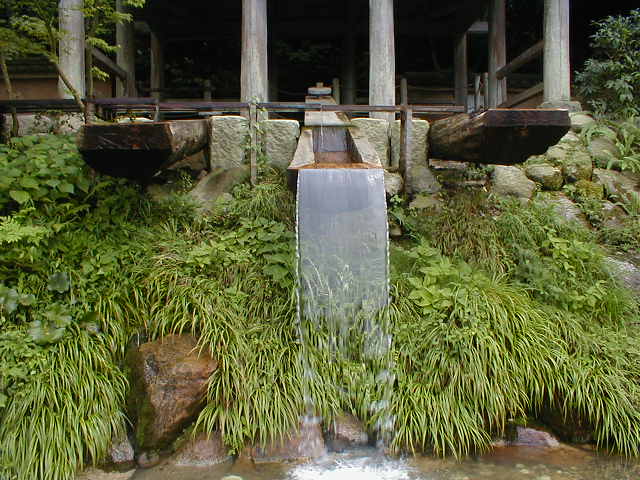
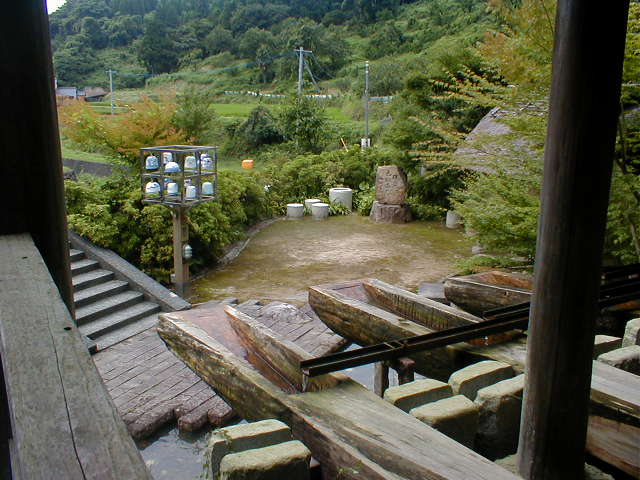
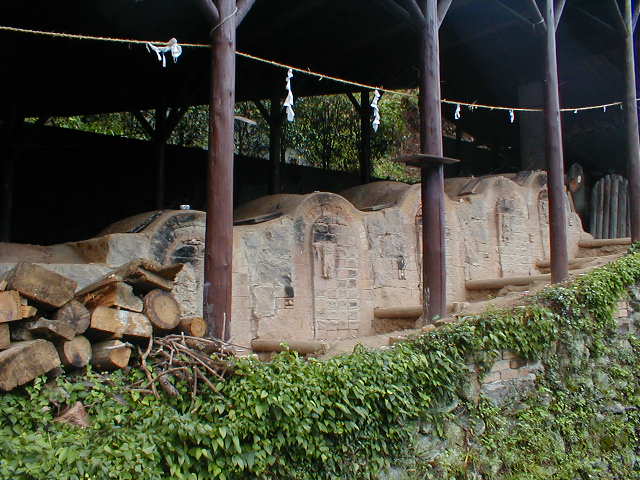
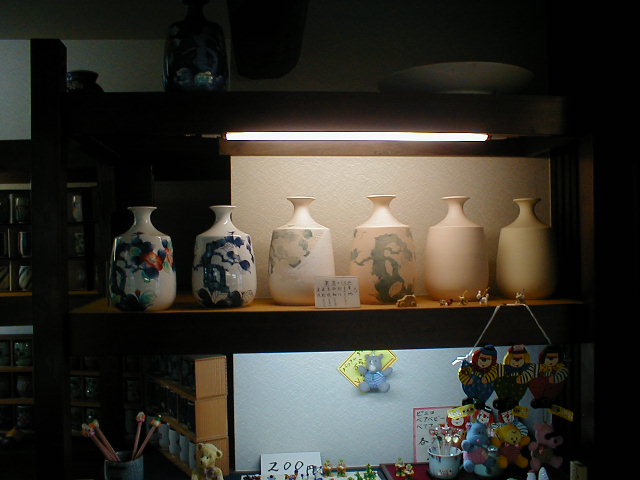
The small quiet city of Imari city is perhaps famous if you study pottery or porcelin and are a collector of Asian pieces. Imari is very famous for its beautiful pottery. The traditional colors were Blue, red, and gold . The artist were brought from Korea more than 400 years ago by the Nabishima Fief who was impressed by the beauty of the pottery. A large number of these potters were kept in a small village as prisoners and slaves of the state ruler. There was only one gate into the village and it was guarded so that no one could escape and allow this precious pottery to enter other ruled territory. This village was and is known as Okawachiyama.
Okawachiyama is not accessible by train as many small towns in Kyushu. You must go by car, Bus or Taxi. It is about 10-15 minutes by car from Imari City. Okawachiyama is a very quiet place with many of the direct decentants
|