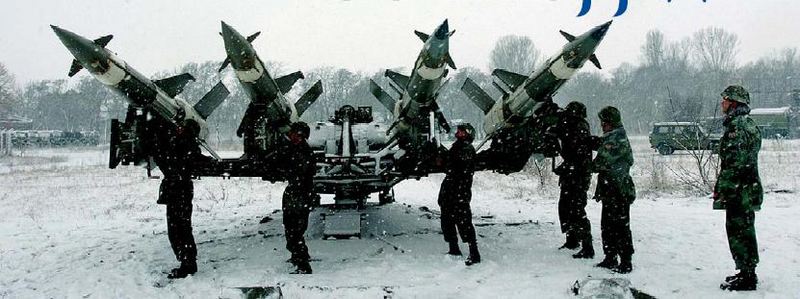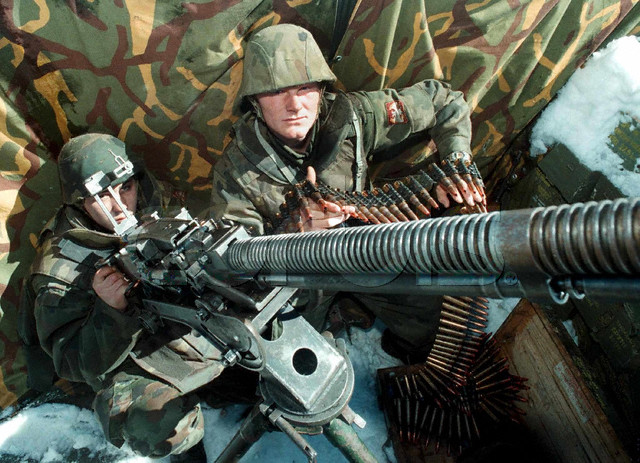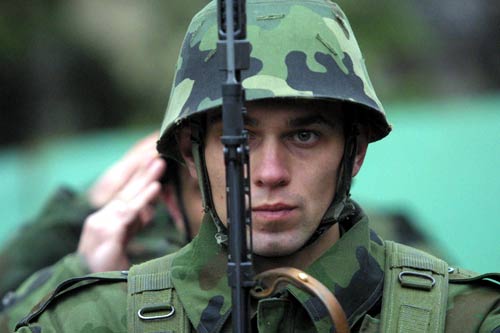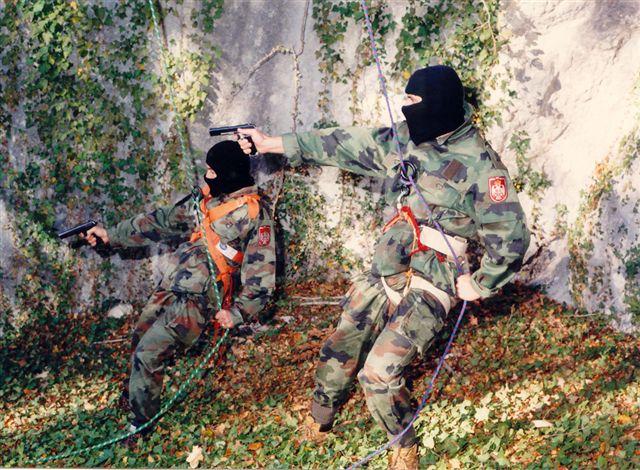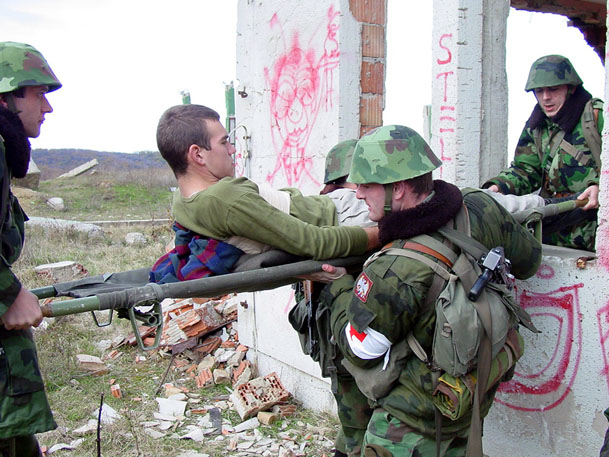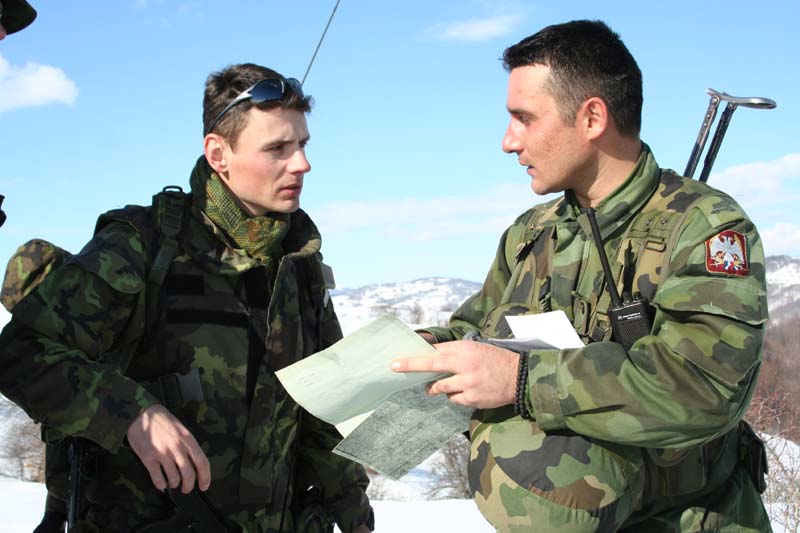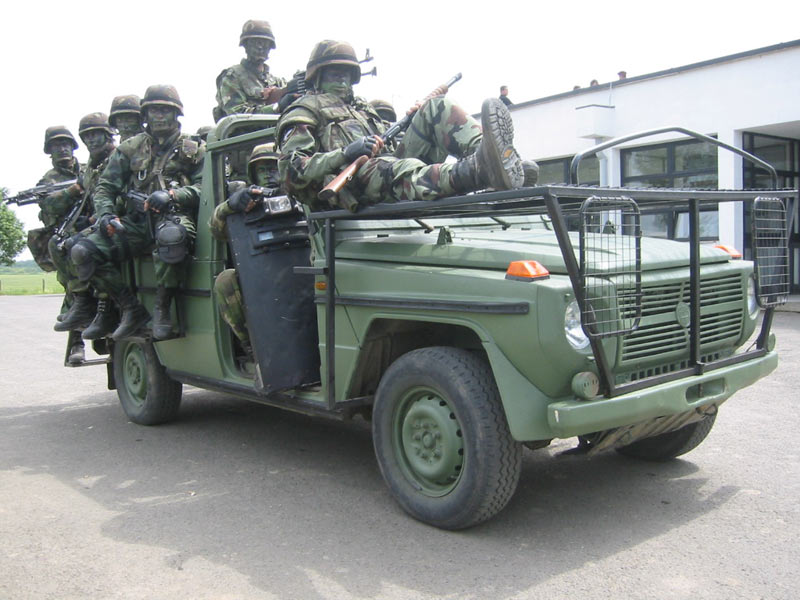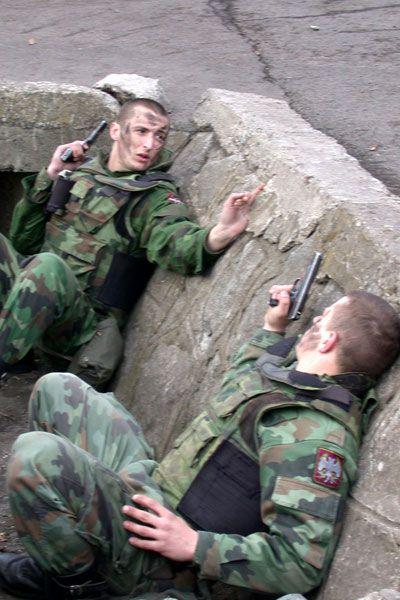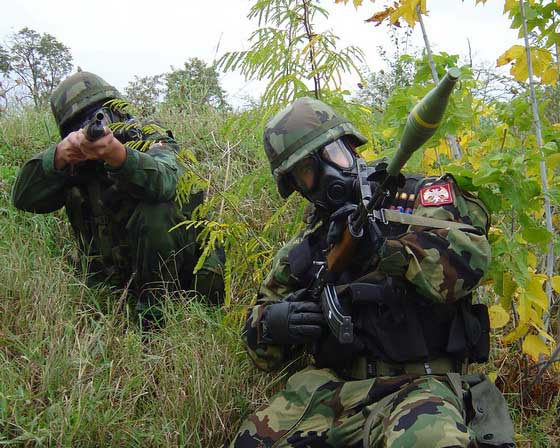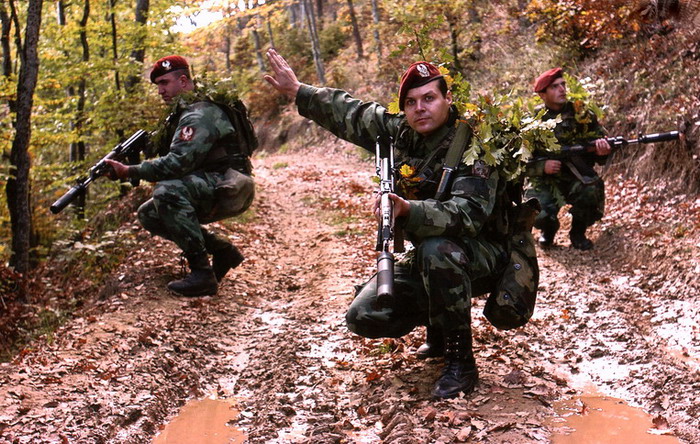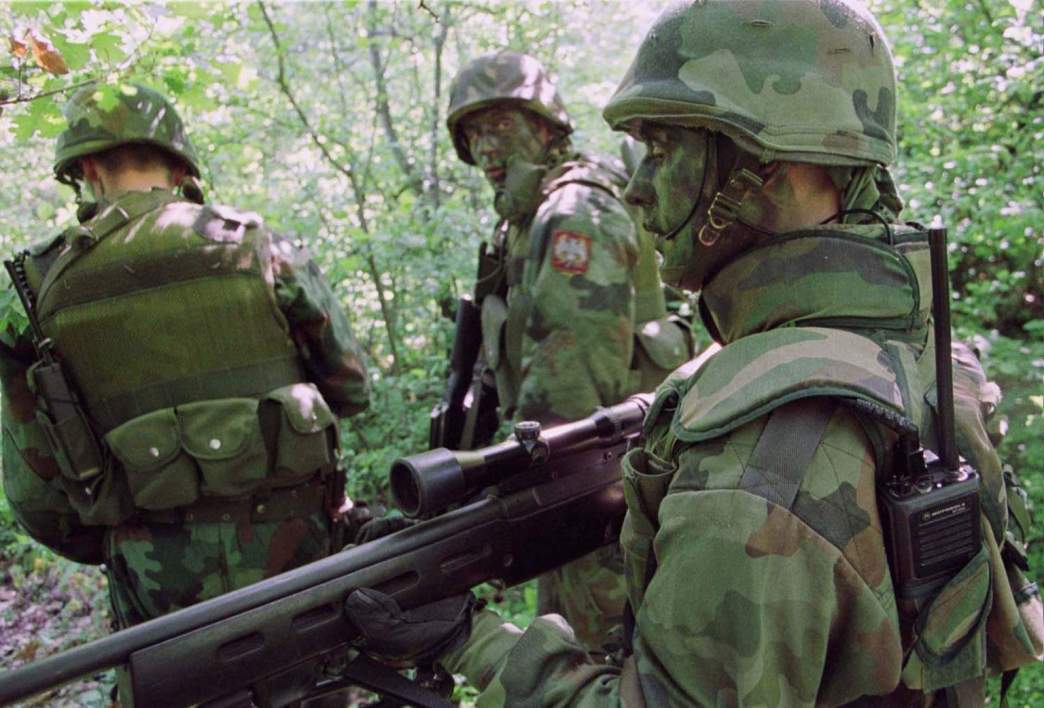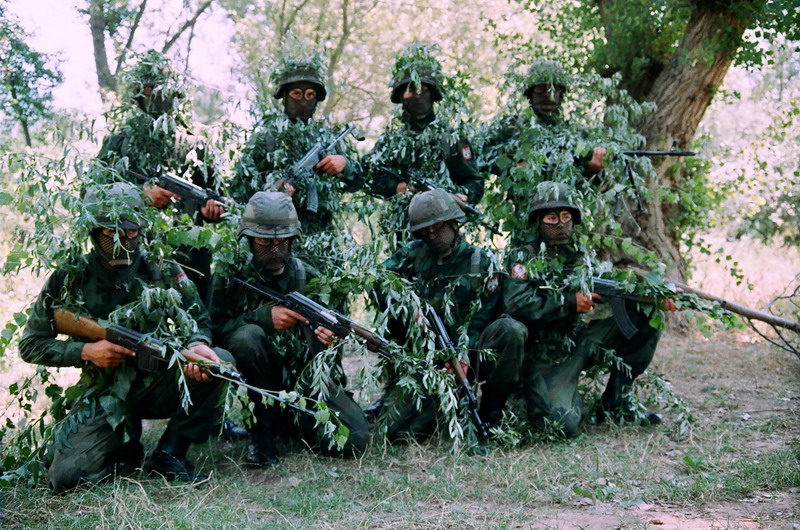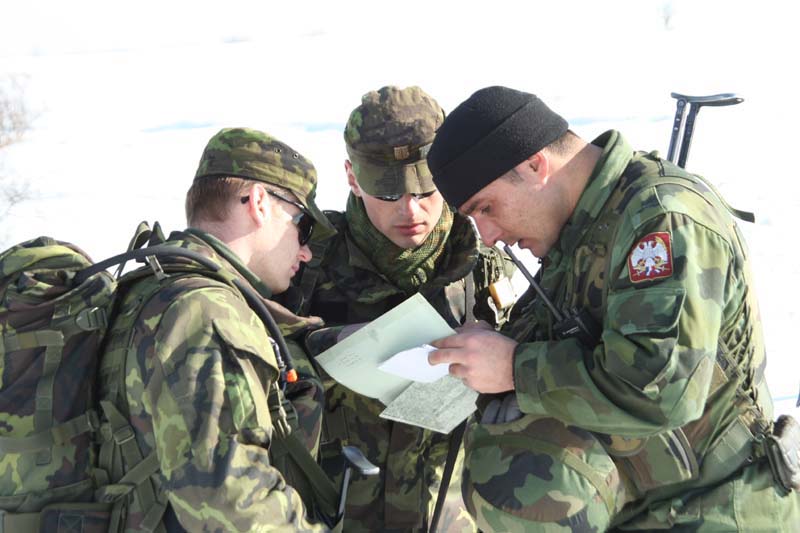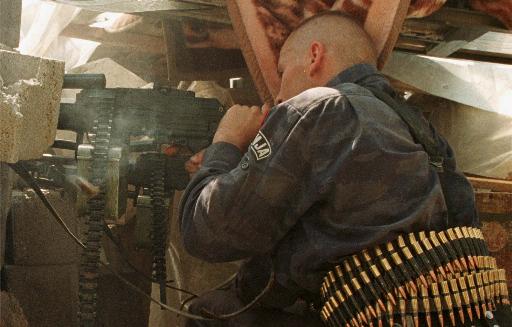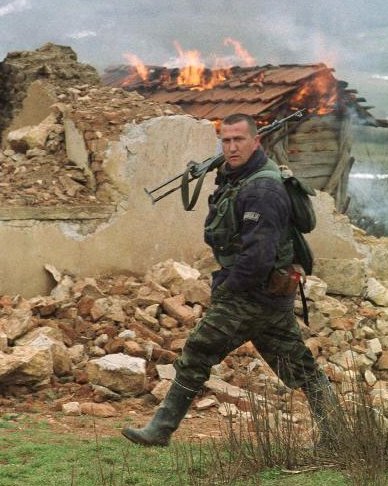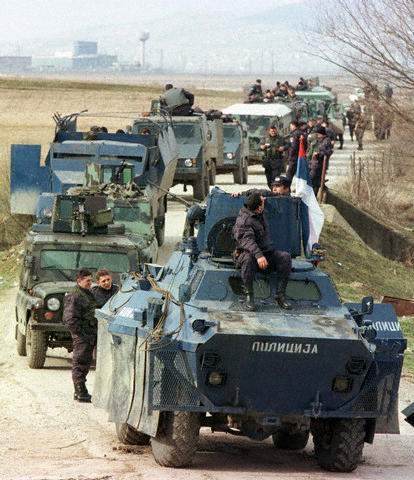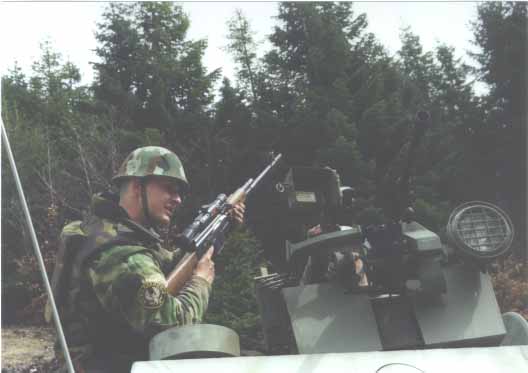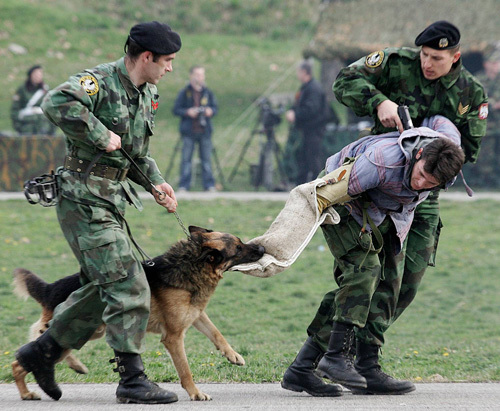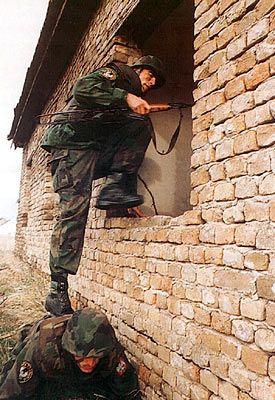
The Yugoslav People's Army (JNA) once the forth largest army in Europe. It's groung forces comprising of infantry,
armour, artillery, air defence, as well as signal, engineering and chemical defence corps had 140,000 active-duty
soldiers (including 90,000 conscripts) and could mobilize over a million trained reservists in wartime. The JNA
had a diverse ethnic composition so when civil war broke out in Yugoslavia there were many desertions. Many felt
it was not their war or their loyalities laid elsewhere. As Croatia, Bosnia and Montenegro declared their
independence with only Serbia and Montenegro left in the union of Yugoslavia it was decided to abolish the JNA.
Many soldiers were thorn as to whether to join the Federal Republic of Yugoslavia army (FRY) or the Army of
Republika Srpska (Bosnian-Serb (VSK)) or the Republika Srpska Krajina army (Croat-Serb (VRS)). FRY although not
involved in the conflicts in Croatia or Bosnia helped the Serbian states of Republika Srpska and Republika
Srpska Krajina with supplies and military technology.
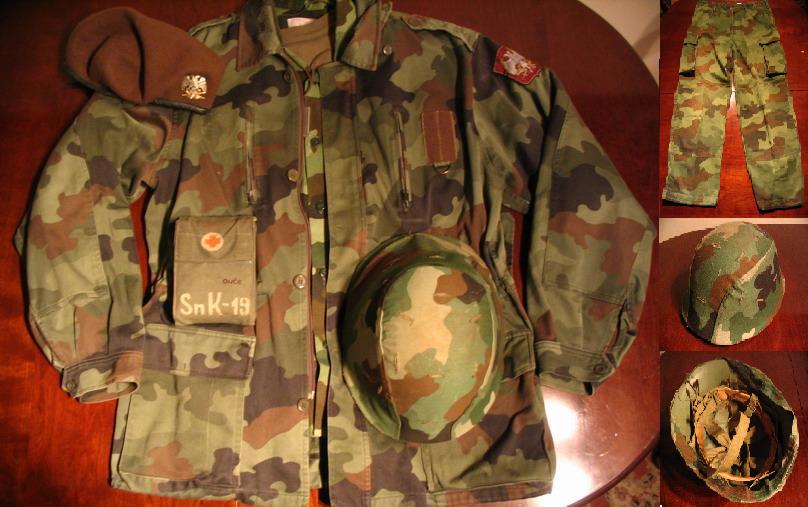
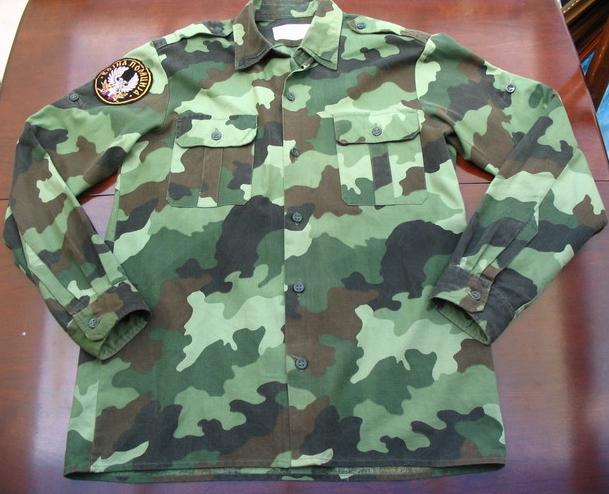
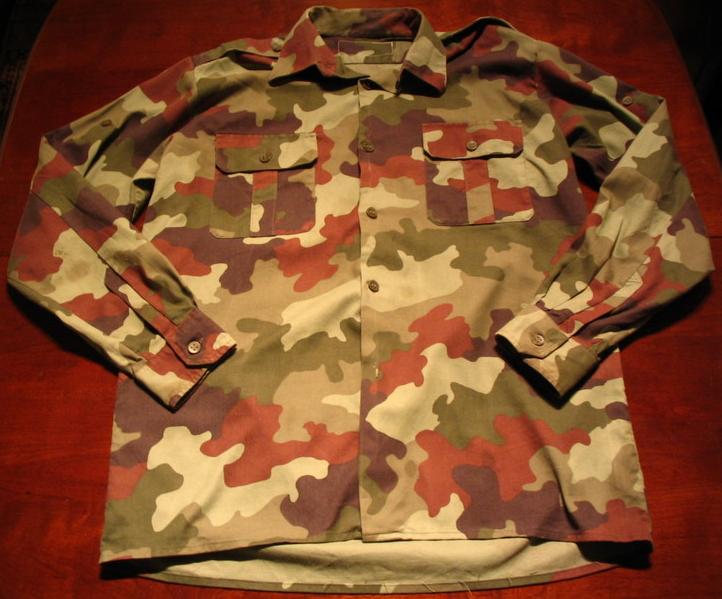
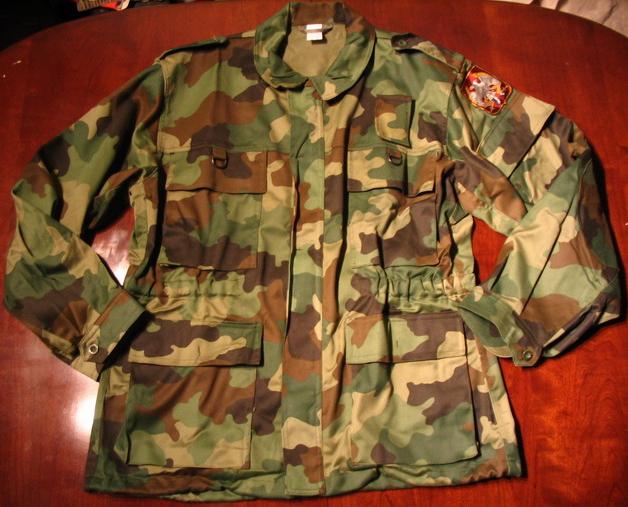
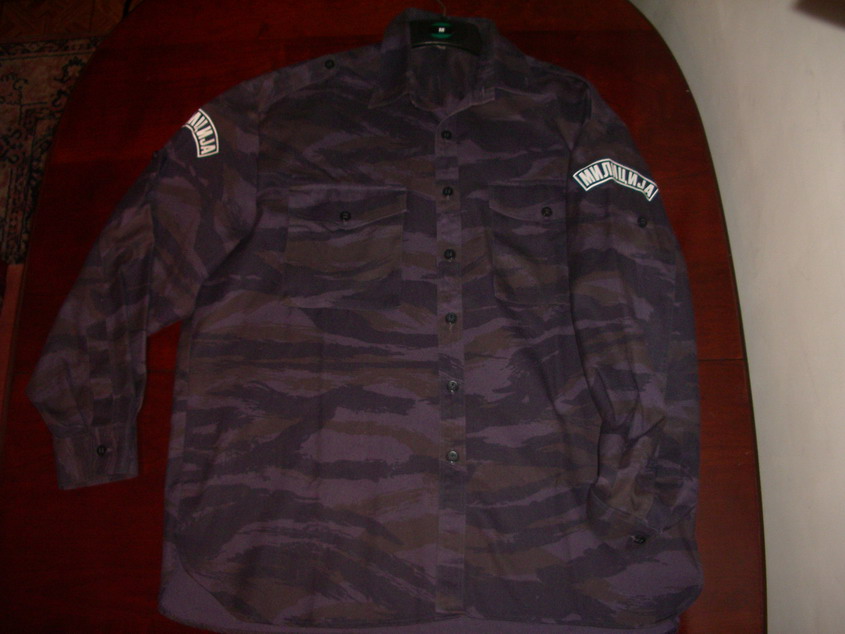
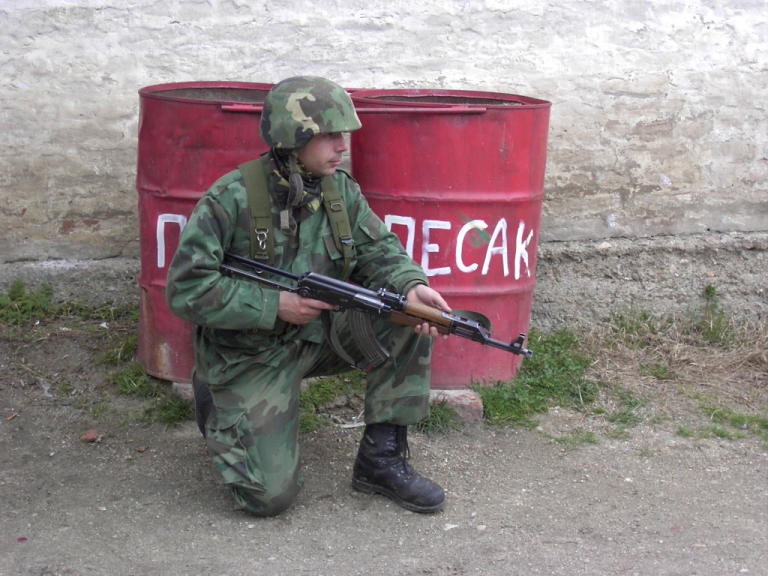
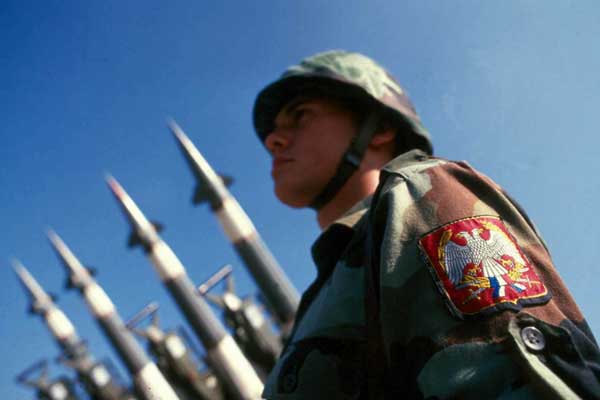
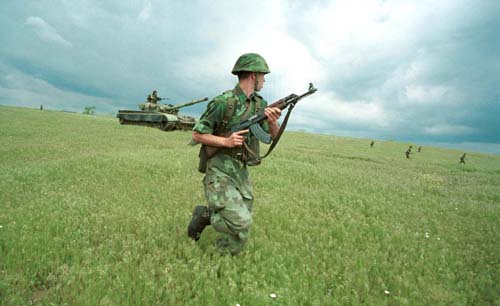
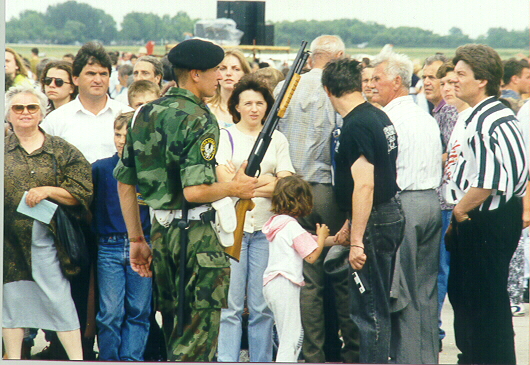
Below from left to right, a shirt of the Yugoslavian military police, a different version of the leaf pattern
camo, jacket of the Yugoslav Federal Army, And a Serbian Special anti-terrorist Police (PJP) Shirt
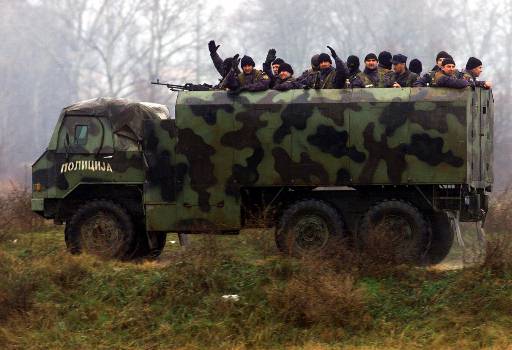
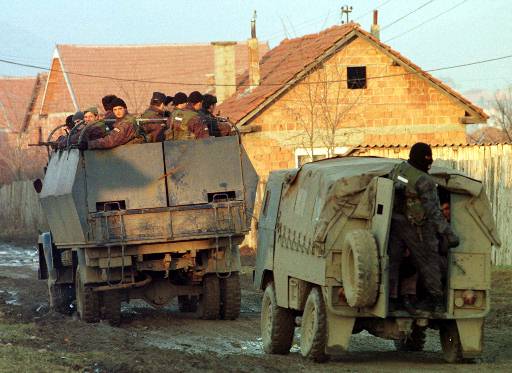
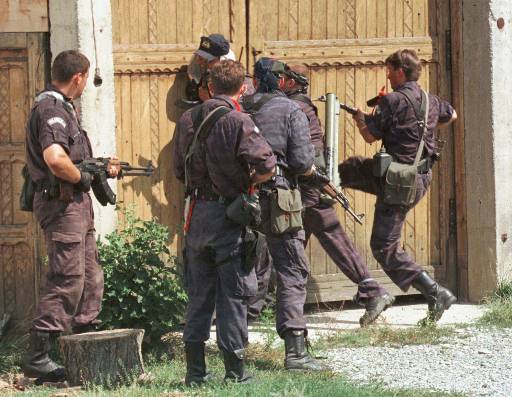
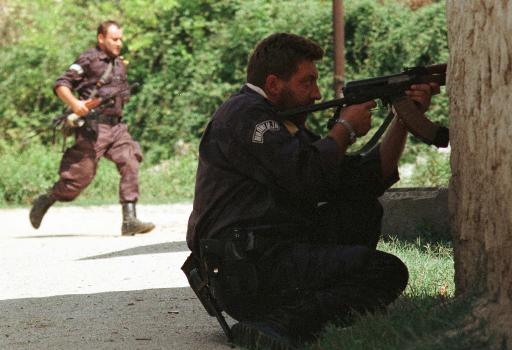
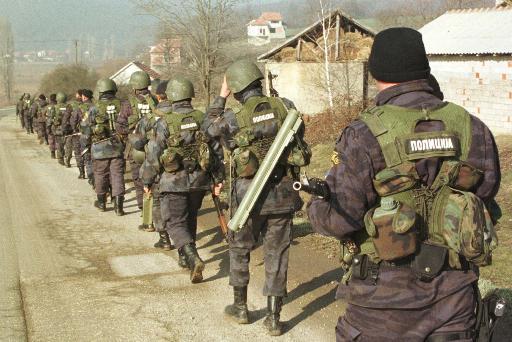
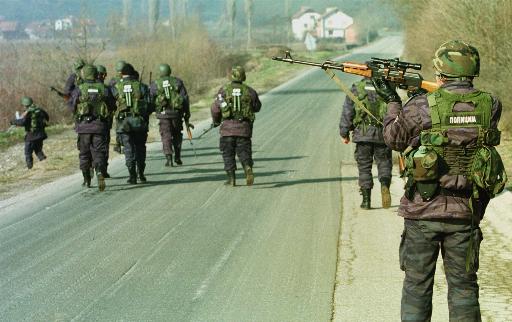
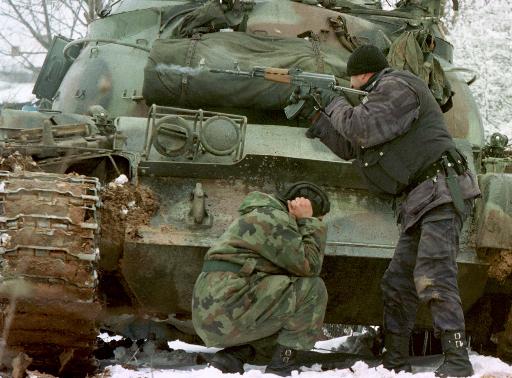
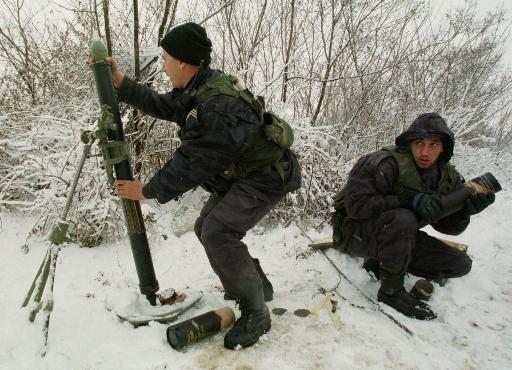
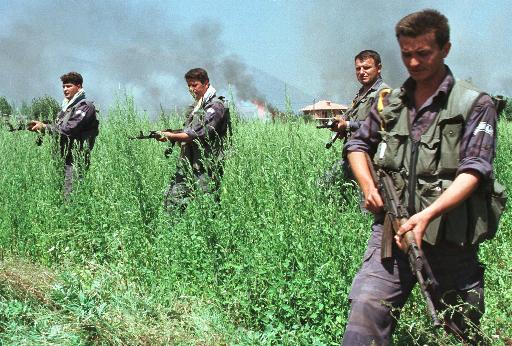
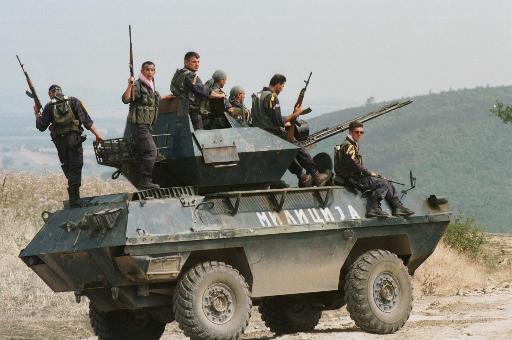
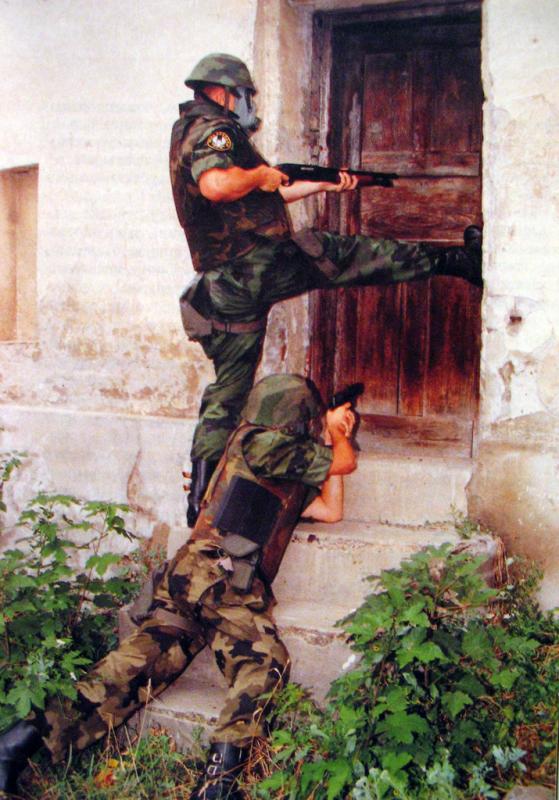
Used by the Serbian Police (never used by the Montenegrin Police), introduced 1992. Since 1997 used as "field uniform" for
all police officers - used for riot control, field exercises and during the conflict in Kosovo. Used until 2001.