WATER
POLLUTION
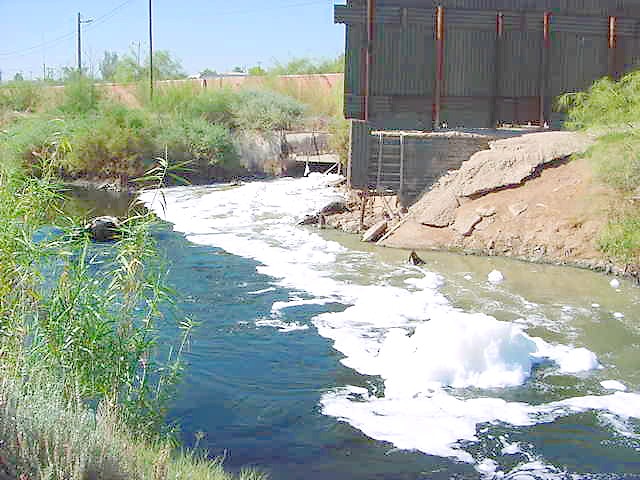 Water
pollution is the contamination of water bodies such as lakes, rivers, oceans,
and groundwater caused by human activities, which can be harmful to organisms
and plants that live in these water bodies. The sources of the pollutants can
be considered as organic and inorganic:
Water
pollution is the contamination of water bodies such as lakes, rivers, oceans,
and groundwater caused by human activities, which can be harmful to organisms
and plants that live in these water bodies. The sources of the pollutants can
be considered as organic and inorganic:
a) Organic
§
Insecticides and herbicides, a huge range
of organohalides and other chemical compounds
§
Bacteria from sewage or livestock
operations
§
Food processing waste, which can
oxygen-demanding substances, fats and grease
§
Tree and brush debris from logging
operations
§
VOCs (volatile organic compounds), such as
industrial solvents, from improper storage
§
DNAPLs (dense non-aqueous phase liquids),
such as chlorinated solvents, which may fall at the bottom of reservoirs, since
they don't mix well with water and are denser
§
Petroleum hydrocarbons, including fuels
(gasoline, diesel fuel, jet fuels, and fuel oil) and lubricants (motor oil).
(Note: VOCs include gasoline-range hydrocarbons.)
§
Detergents
§
Various chemical compounds found in
personal hygiene and cosmetic products
§
Disinfection by-products found in
chemically disinfected drinking water
b) Inorganic
§
 Ammonia
from food processing waste
Ammonia
from food processing waste
§
Heavy metals including acid mine drainage
§
Acidity caused by industrial discharges
(especially sulfur dioxide from power plants)
§
Pre-production industrial raw resin
pellets, an industrial pollutant
§
Chemical waste as industrial by-products
§
Fertilizers, in runoff from agriculture
including nitrates and phosphates
§
Silt (sediment) in surface runoff from
construction sites, logging, slash and burn practices or land clearing sites
Besides,
large visible items such as trash items (e.g. paper, plastic, or food waste) discarded by people, nurdles
and shipwrecks, also causes water pollution. Actually, water pollution is a
serious problem and can cause a number of impacts to the earth. There are a few
examples of the impacts:
§
Waterborne
diseases
Which are caused by protozoa,
viruses, bacteria, and intestinal parasites and are directly transmitted when
contaminated drinking water is consumed. Contaminated drinking water, used in
the preparation of food, can be the source of foodborne disease through
consumption of the same microorganisms. According to the World Health
Organization, diarrheal disease accounts for an estimated 4.1% of the total
DALY global burden of disease and is responsible for the deaths of 1.8 million
people every year. It was estimated that 88% of that burden is attributable to
unsafe water supply, sanitation and hygiene, and is mostly concentrated in
children in developing countries.
§
Impact
of marine debris
.jpg) Many
animals that live on or in the sea consume flotsam by mistake, as it often looks similar to their natural prey. Plastic debris,
when bulky or tangled, is difficult to pass, and may become permanently lodged
in the digestive tracts of these animals, blocking the passage of food and
causing death through starvation or infection. Tiny floating particles also
resemble zooplankton, which can lead filter feeders to consume them and cause
them to enter the ocean food chain.
Many
animals that live on or in the sea consume flotsam by mistake, as it often looks similar to their natural prey. Plastic debris,
when bulky or tangled, is difficult to pass, and may become permanently lodged
in the digestive tracts of these animals, blocking the passage of food and
causing death through starvation or infection. Tiny floating particles also
resemble zooplankton, which can lead filter feeders to consume them and cause
them to enter the ocean food chain.
.jpg)
Toxic additives used in the
manufacture of plastic materials can leach out into their surroundings when
exposed to water. Waterborne hydrophobic pollutants collect and magnify on the
surface of plastic debris, thus making plastic far more deadly in the ocean
than it would be on land. Hydrophobic contaminants are also known to bioaccumulate
in fatty tissues, biomagnifying up the food chain and putting great pressure on
apex predators. Some plastic additives are known to disrupt the endocrine
system when consumed; others can suppress the immune system or decrease
reproductive rates.

Some organisms have adapted to live
on mobile plastic debris, which has allowed the inhabitants to disperse all
over the world and become invasive species in remote ecosystems.