
STEWARTSVILLE FIRE CO. No. 1
BUREAU OF FIRE PREVENTION
WINTER FIRE SAFETY

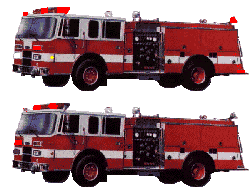
BY FOLLOWING THESE FIRE SAFETY TIPS
WILL GREATLY REDUCE SEEING ONE OF THESE IN YOUR DRIVEWAY!
December, January, and February are the leading months for U.S. home fires
and home fire deaths. On average, more than one-third of home fire deaths
in the United States occur during the winter months

SAFER HOME HEATING
NFPA's latest report on U.S. home heating fire patterns indicates that heating equipment fires are the second
leading causes of fire deaths in American homes and the biggest fire culprit December through January.
An estimated 73,800 home heating fires in 1994 killed 487 people and injured 2,000 people. Experts at NFPA
say that most U.S. home fires caused by heating equipment could be prevented by taking simple
safety precautions.
According to NFPA's report, the major causes of U.S. home heating fires are: lack of regular
cleaning of chimneys in fireplaces and wood stoves; placing things that burn too close to
space and portable heaters; flaws in design, installation or use; fueling errors involving
liquid - or gas fueled heaters; and leaving portable or space heaters unattended.
PREVENTING HEATING EQUIPMENT FIRES
When purchasing a new heating equipment, NFPA advises selecting equipment that bears the mark of an
independent testing laboratory. Install and maintain heating equipment correctly, and be sure it complies with the
local fire and building codes, have the Greenwich Twp. building code or Stewartsville Fire Co. Fire Official
check for installation and maintence.
PORTABLE AND OTHER SPACE HEATERS
Portable and space heaters can either be electric-powered or fueled by gas, liquid fuel (usually kerosene),
or solidfuel (usually wood). All types must be kept at least 36 inches from anything that can burn,
including furniture, bedding, clothing, pets, and people. Space heaters must not be left operating when your
are not in the room or when you go to sleep. Children and pets should be supervised at all times when
space heaters are in use. Make sure everyone is aware of the high fire hazard associated with drying clothing or
placing combustibles over heaters. If you have an electric space heater, check for fraying or splitting wires or
overheating. Have all problems repaired by a professional before operating the space heater.
PORTABLE KEROSENE HEATERS
If you have a liquid fueled space heater, use only the fuel recommended by the manufacturer. Never use
gasoline or any other subsitute fuel, because the wrong fuel could burn hotter than the equipment's design
limits and cause a serious fire. When refueling always turn off the heater and let it cool down completely before
adding fuel. Wipe up any spills quickly. If you are considering buying a kerosene heater, be sure to check with
the Fire Company to make sure if its legal in Greenwich Twp. Store the kerosene away from heat or open flame
in a container approved and be sure it's clearly marked with the fuel name
FIREPLACES
Have your chimney inspected by a professional prior to the start of every heating season and cleaned if
necessary. Creosote, a chemical substance that forms when wood burns, build up in chimney and can cause
a chimney fire if not removed through cleaning. Always protect your home and your family by using a sturdy
fireplace screen when burning fires. REMEMBER only burn wood- never burn paper or pine boughs, which can
float out the chimney and ignite your roof or a neighboring home. Don't use flammable liquids in a fireplace.
If you are purchasing a factory built fireplace, select one listed by a testing laboratory, and have it instatlled
according to local building codes. If you decorate your fireplace with Christmas stockings or other seasonal
decorations, DON'T BURN FIRES IN IT.
WOOD STOVES
Be sure your wood stove bears the mark of an independent testing laboratory and meets the local fire code.
Follow the manufacturer's recommendation's for proper installation, use and maintenance. Chimney
connections and chimney flues should be inspected at the begining of each heating season and cleaned
when necessary. Follow the same safety rules for wood stoves as you would for space heaters. Burn only
wood, and be sure the wood stove is placed on an approved stove board to protect the floor from heat and
hot coals. Check with the Fire Prevention Bureau and town code officials before having your wood stove
installed
Portable LP Gas (Propane) Heaters with self-contained fuel supplies (cabinet heaters) are PROHIBITED
for home use by NFPA fire safety standards!
"ALL FIRE SAFETY TIPS ARE COMPILED FROM NFPA"