*Book Reviews*
Do be careful if you decide to read any of the following books. They can be very triggering as you confront the feelings behind your self harm. Just make sure you're reading them to help and educate yourself rather than to trigger yourself. Be aware of when you need to stop reading and give yourself a break. 
The full title of this book is: 'The Scarred Soul: Understanding and Ending Self Inflicted Violence. A Self Help Guide'. I really recommend this book. If you've just got enough money to invest in one book then buy this one. With the lack of understanding about self harm in the world of counselling and doctors it's worth having a go at helping yourself. The book can also be used with a therapist, as many of the exercises could be taken as a starting point to begin talking about certain issues. Alderman starts with the very basics - do you self injure? She uses the term "self inflicted violence" to cover all behaviours from cutting, to pulling out hair and self-hitting. You then explore your self harm through a series of well structured journal exercises. These exercises help you to identify the rituals, feelings and thoughts associated with your own self harming behaviour. These include writing and drawing tasks that build on each other as you become more able to understand your behaviour. When you reach the "how to stop self harming" section of the book you then refer back to the earlier exercises you've completed. Once you understand your self harm it's a lot easier to challenge the negative thoughts behind it.
Written in easy to understand language with touches of humour this is well worth a read.
Opinion tends to be quite split over Levenkron. Some people dislike him, perhaps for his insistence on beginning his therapy sessions by asking to see any new self inflicted injuries - something most people find disturbing and threatening. This book does tend to read like a recommendation of Levenkron's own methods, as he goes through how therapy can be beneficial for self injurers and how this treatment should be carried out. I did enjoy reading this book though. It was quite straight forward, informative and anecdotes of therapy sessions made interesting reading. It's admirable that he's willing to specialise so much in self harm after doing so much work with eating disorders in the past. Worth a read so you can form your own opinion. You can read another review of the book here. It's written by Gordon Houghton.
I read this fictional book in a day...it makes easy reading as I assume it's written for teenagers. Though I must admit that it did make me cry at one point. The novel is the story of Katie, a 15 year old skater who is under pressure to be a champion by her domineering mother. Her parents are divorced and so her father only appears in the book once...as a very unsympathetic figure. Katie suffers from dissociation and cuts herself to 'ground' herself. Though soon she finds her self harming behaviour is out of control. Levenkron does seem to over dramatise self harm, as Katie has one 'episode' in the school corridor infront of everyone; hurts herself and collapses in the therapy waiting room and even cuts herself infront of her mother. This didn't seem very realistic to me.
I wouldn't say that this is a particularly great piece of fiction but I can understand that Levenkron wanted to convey his understanding of self harm to a different audience. This would be a valuable book for a teenager who had little awareness and understanding of their self harm.
I was a bit skeptical about this book before I read it. It's written by the directors of Self Abuse Finally Ends, the 30 day inpatient program for self harmers in Chicago and so I expected them to be just trying to sell their program. There's a lot to this book though. Conterio & Lader do explain the theories behind and activities practiced by their program, yet they also give a lot of general background information about self harm. Having worked with hundreds of self injurers they've a great understanding of the thought patterns, feelings and behaviours of self injurers. They also have helped many people recover from self injury and so have a positive, hopeful attitude which is conveyed in the book. Self harm is seen as a choice...not as an inevitable action which you have no control over. This book was hard to read. There are many personal stories of patients who have attended S.A.F.E. which make for emotional reading. Then other sections challenged me as I realised Conterio & Lader's reasoning was right. For example I identified with the section detailing people's desire to be rescued from their self harm, which isn't a healthy desire at all. I have to be able to 'rescue' myself.
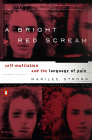
Strong is a journalist who has done her research on self harm well. She looks at self harm in a modern cultural context, for example she mentions the value of the internet and looks at celebrity self injurers, such as Johnny Depp. There are chapters that won't be relevant to everyone - one on eating disorders and one on sexual abuse. The final chapter is an examination of the S.A.F.E. program in Chicago, yet if you want to know about this program then you should read 'Bodily Harm' instead. I felt that the best sections of the book were when Strong let self injurers explain their feelings directly, specifically the first section where a male self injurer describes the 'morning after' feeling. I was a bit disappointed with this book, though maybe because I ordered it online from the UK when it was only available in hardback from the USA and so it cost me £16. It wasn't worth that much but I would say to read it if you get the chance. (Random thought - the cover of this book always reminds me of Hanson, that 'boy band'.)
The title says it really - this is a very informative book and reads somewhat like a text book. Favazza has done some very valuable work classifying self harm and looking at the wider context of body modification in other cultures - culturally sanctioned self inujury. He uses clinical and cultural case studies which show the extreme side of self harm, for example amputation. Bodies Under Siege isn't really angled towards helping self injurers but makes an interesting read if you're interested in the wider context of self harm or you're writing an essay. Something to read after 'The Scarred Soul', 'Cutting' and 'A Bright Red Scream' (which Favazza wrote a preface to).
I just flicked through this book one night when I was in the college health centre as I was feeling unsafe. Miller covers many kinds of self harming behaviour - alcoholism, sexual promiscuity, drug addiction, and eating disorders - and I just skipped those and read the self injuring accounts. The focus of her argument is that self harming behaviour is a a type of 'Trauma Reenactment Syndrome' which stems from childhood.
I didn't really read all of this book. It didn't capture my attention. Perhaps because it's more about body modification unrelated to self injury. Though it's probably worth a look if you're interested in piercing and tattooing. Most self harm books set out to say that this kind of body modification isn't self injury. Though speaking from personal experience, piercing can get mixed up with self harm in an individual's head. For example, in January 2000 I had two piercings done within eight days to avoid inflicting any harm on myself.
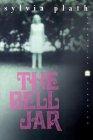
"A dispassionate white sun shone at the summit of the sky. I wanted to hone myself on it until I grew saintly and thin and essential as the blade of a knife." Not a self harm book, as such...but the protagonist of Plath's only novel does harm herself and attempt suicide. This is one of my favourite books. Please be careful reading it though, as it is triggering. For more information on this book then visit A celebration, this is. 

|
 Here are reviews of the self harm books I've read. I bought a couple of them from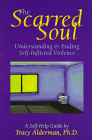
 Alderman recognises the value of self harm as a coping mechanism and has a valuable checklist exercise helping you to assess whether you have the necessary resources in place to be able to stop self injuring. Another useful sections details how to go about finding the right therapist and provides a list of questions you should ask. This is a good book to share with friends or family as there's a section specially written for loved ones and the book covers all the basics.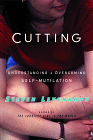
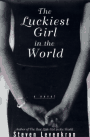
 Katie's private school insists she gets help before they will allow her to continue and her mother is strongly against this. After having to see the useless school therapist, Katie is referred to Sandy Sherman, who is the fictionalised version of Levenkron. He begins the long process of breaking through her walls and gaining her trust. As thr book progresses he helps her become stronger and integrate into group therapy.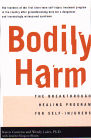
 Something particularly interesting in Conterio & Lader's approach is their rejection of any physical alternatives to self harm. Whereas some books and therapists advocate immersing your arm in ice, flicking an elastic band on your wrist or drawing on yourself with red pen, the S.A.F.E. program believes these approaches are only reinforcing self harm. Conterio & Lader encourage writing exercises and use of impulse control logs instead. I hadn't heard physical alternatives to self harm criticised before, but thinking about it, it makes sense. They also dismiss the 'pressure cooker' theory of emotions, pointing out that you will not explode depsite all the negative emotions you feel.
 I do recommend this book both if you're considering going to S.A.F.E. or you have no access to the program at all. S.A.F.E. has a