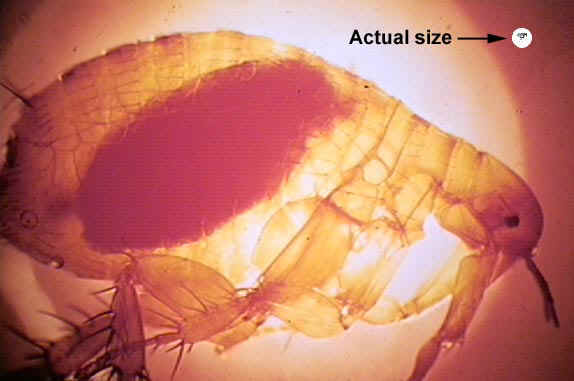
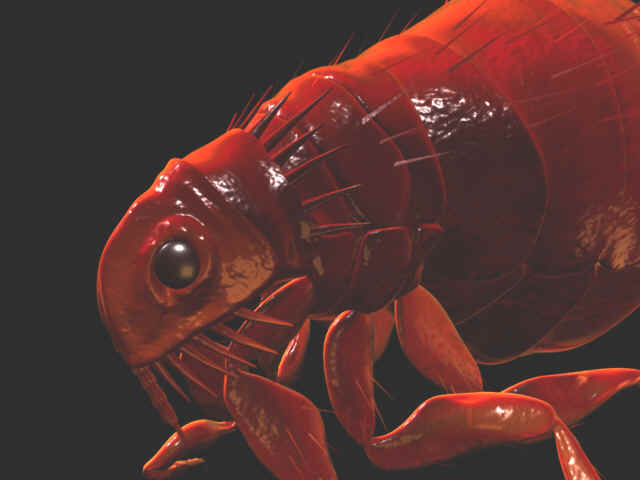
Siphonaptera the FLEA Know the Flea, Know your Enemy, Many Pictures & Links
BBC News: History - In the summer of 1665 bubonic plague broke out in London and rapidly spread to the rest of the country. The plague, which had afflicted England recurrently since the 14th century, was carried by the fleas which infested black rats. London, which had grown to around half a million inhabitants - twenty times the size of the next largest town, in the world, was predominantly vulnerable to diseases such as this; the death toll for the capital was over 68,000. Apart from a minor outbreak in 1679 - a catastrophic plague year in central Europe - the plague never appeared in England again. Domestic fleas are now no longer considered to be the vectors of disease, but fleas are still a scourge in the USA, UK & Europe and whilst we may not die from their bites, we are still plagued by them, as they infest our homes in their millions.
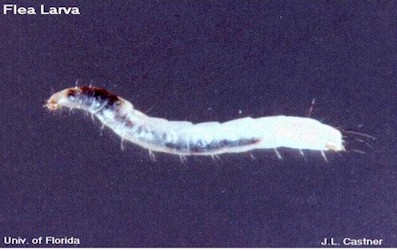
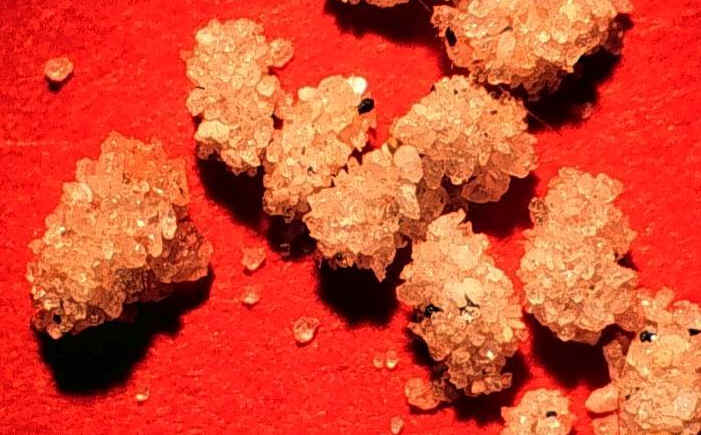
A good Hoover will takes away eggs, larvae, some fleas and of course their potential food source. So if you think that you may have an infestation you must Hoover daily if not twice daily. This breaks the life-cycle.
Fleas can live, in stasis, up to FIVE years without blood. They will not go away but just look for the nearest mammal.
For yourself, you can rub on chamomile lotion at night. Add salt to your bath at night or go paddling in the sea; this will help heal the bites more quickly. Rub your legs with some kind of bespoke insecticide or repellent. . OR Citronella Oil, TeaTree Oil, Pennyroyal, Eucalyptus Oil, Lavender Oil, or Cedar Wood Oil, as they do not like these strong odors. Eating a lot of garlic is also good as a repellent but it does not only repel insects.
If you cannot afford a vet, in any event get rid of the flea problem as best you can. Hoover every day and do a good job. Look at some of the AD links, and buy a simple spray; spray your home as best you can. Bath your pet in a recommended flea-shampoo. Where a reaction to the flea bites has visibly asserted itself and this will be a large sore usually, made worse by your pet's constant scratching. This sore can become infected and an anti-biotic maybe the best cure, along with a recommended anti-inflammatory cream. If these are not available to you, do not snip the hair off your pet where the injury is. Bath the infected place twice a day with salt water and try to get it as clean as possible, dry it off with a clean cloth. Buy a home remedy anti-disinfectant, like Tea-Tree Oil and rub it into the wound. Eventually this should clean up. It will become dry and crusty and some fur may fall off. But if it is dry this is usually a good sign. Of course if it becomes worse, you may have find a cheap vet. Grooming. If possible, always groom your pet outside on concrete, as newly laid flea eggs will then fall out on to a more alien environment. Any lower temperature and relatively low humidity levels will help to ensure that fleas in any stage of life, will perish. Groom regularly and make it daily. A regularly groomed coat is a healthy one and one 'thinned-out' and better equipped to deal with fleas.