|
In
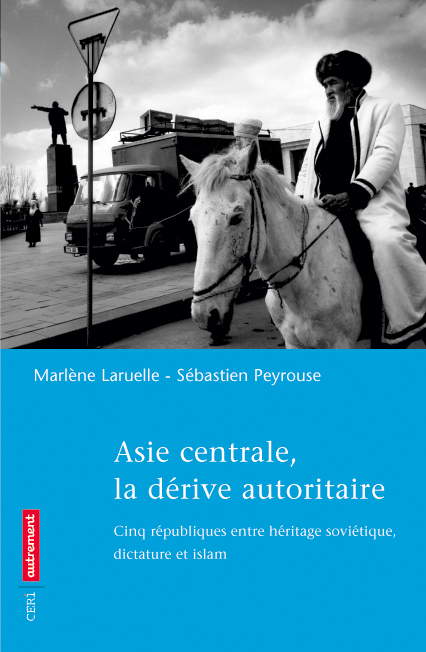
1991, with the collapse of the Soviet Union, the five republics of Central
Asia -Kazakhstan, Kyrgyzstan, Uzbekistan, Tajikistan and Turkmenistan -
became independent. This historical moment broke with decades of Tsarist
and Soviet rule. However, these republics were not prepared for such huge
changes: the links severed with Moscow, especially its financial support,
gave rise to many complications that only a strong authoritarianism could
stamp out, regardless of any democratic principles. Indeed,
since 9/11, the political authorities have emphasized a secular
authoritarianism, presented as the only way to hinder fundamentalist
Islamic movements. This alibi is all the more efficient that State and
society relations remain widely influenced by the Soviet legacy. In spring
2005, the « tulpan revolution » in Kyrgyzstan was seen as a
new opening of the political game, at least in one republic. Despite the
multiple sidesteppings and diversions of the political authorities, the
2006-2007 elections’ agendas in the area could reveal a first step to
exit from the Post-soviet system, more or less turbulent according to the
political, economical and social situation in each of these young States. Considering this complex and uneven situation, this book is a review of the fifteen years following the independence and, without focusing on the fundamentalist Islamic issue, of the political evolution of the area. The latter, undeniably important, is mainly relevant through what is viewed as an ideal breeding ground for its development: the political authoritarianism and the worsening of the economic and social situation. Although the book neither discusses the possible domino effect of the Kyrgyz revolution nor the role of the external factors which helped to launch it, Central Asia could go through some important changes, revealing the real rupture with the Soviet past, long after the collapse of the USSR. The incumbent political generation has driven these republics to independence and played an historic role in maintaining stability during a time of brutal political, geopolitical and economic changes. Thus, we are left with the question of whether or not a shift will occur in Central Asia and if there will be a progressive withdrawal from the Soviet past, found through different rhythms of political ideology. |
|