The Martial art
of Kajukenbo is a blend of Karate, Judo & Jujitsu, Kempo,
and Boxing. From theses arts it gets its name ka for karate
(tang soo do) ju for judo & jujitsu, ken for kenpo and bo
for chuan fa gung fu (Chinese) boxing.
Kajukenbo came
together in the Palomas settlements of Hawaii during the years
between 1949 and 1952. There were five different martial arts
practitioners from different styles who came together to
developed Kajukenbo. They developed one style that would
complement each of there individual styles and it had to allow
for effective fighting at all ranges and speeds. The man
credited with the founding of Kajukenbo is Siju Adriano D.
Emperado who practiced kempo and escrima. It was decided that
kempo would be the center around which Kajukenbo was built. To
test the effectiveness of their techniques the five founders
would provoke fights in and around Hawaiis slum settlement
of Palomas. If the techniques they used were consistent in
helping them over come their opponents in street-fighting then
that technique was kept as part of the system. From these
fights came Kajukenbo's Quins (forms or kata), Natural laws
(self-defense), Tricks (close-quarters fighting), and grab
arts (escapes).
Kajukenbo uses
all ranges of fighting. There are kicking techniques, punching
techniques, trapping techniques and grappling techniques. Many
schools of karate and Korean martial arts concentrate on kata,
but Kajukenbo concentrates on self-defense movements because
protecting one's self in a street-fighting situation is
primary. As the martial artist reaches higher levels in
Kajukenbo meditation and chi training begin.
Kajukenbo
stresses the following-up of techniques based on the
opponent's reactions. The idea is to end the fight with the
fewest techniques possible.
It is important to know how an opponent will respond to
attacks, and how best to take advantage of his reactions.
Kajukenbo training is very physically intense. It is important
to be in good physical condition, thus warm-ups,
callisthenics, bag work, sparring and grappling are
important. Kata is performed to fine-tune a person's
movements. Partnering is important because it teaches a
student how to manipulate an opponent and how to follow up on
the opponent's reactions.
The word
Kajukenbo is derived from the letter of the styles that
contributed to the creation of the art. Together they make up
the Kajukenbo motto: Through this fist art one gains long life
and happiness.
KA (long life) - comes from the word Karate, an art form that
places the emphasis on hard and powerful techniques. The
karate influence was from Tang Soo Do brought by P.Y.Y. Choo.
JU (happiness) - comes from Judo and Jujitsu, art forms that
emphasize throwing, locks and sweeps. The judo and jujitsu
influence was from Kodenkan Danzan Ryu brought by Joe Holck
and Se Keino Ryu brought by Frank Ordonez.
KEN (fist) - comes from Kenpo, a form of karate that not only
stresses the hard and powerful movements, but emphasizes
multiple and fluid hand techniques. The kenpo influence was
from Kosho Shorei Kenpo brought by Adriano Emperado.
BO (style) - comes from Chinese and American boxing. Chinese
boxing means Kung Fu, which puts emphasis on flexibility and
agility, parrying and evasive movements that flow together.
The Chinese boxing influence was from Northern and Southern
Sil-lum styles brought by Clarence Chang.
Kajukenbo
Schools in San Diego
Community Martial Arts & Self-Defense
Palomar Family YMCA
1050 North Broadway
Escondido, CA 92026
Sifu Matt Porter
Instructor's Phone Number: 858-335-7164
YMCA Phone Number: 760-745-7490 Map It
Correct this
listing
Fail to Plan and You Plan to Fail!
Don't
put off the Idea of Learning Martial Arts!
|
|
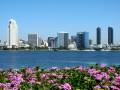
The San Diego Martial
Arts Directory is based in beautiful San Diego.
And dedicated to providing quality services to the
public since 1997. |
Comments, complaints, or suggestions?
e-mail us at