|
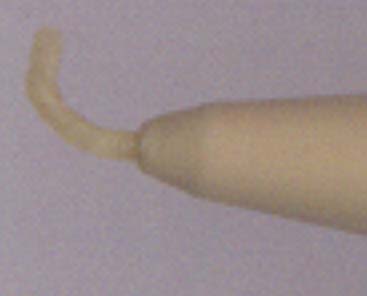
Humans naturally associate appearance with cause. In the case of scalpworms, the immediate assumption illustrates a useful principle of existence in our reality: there are usually steps between causes and end results, and these are most commonly invisible.
|

|
|
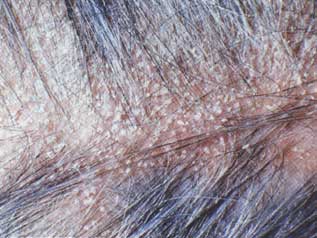
When humans see anything of a wormlike nature, especially with some marking or shape that represents a known biological device such as a mouth or eye, their brains naturally associate the most likely situation with the object: it's a worm, and it has infested whatever medium in which you have found it.
|
|
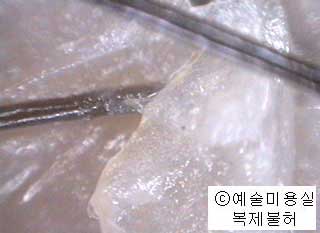
Because of the relatively consistent behavior of natural systems, this isn't a bad assumption and is usually right. But what if the opposite were true, and the infestation caused the scalpworms, instead of the scalpworms causing the infestation?
|

|
|
It would give us a new perspective on all "evils" as being symptoms and not causes in and of themselves, and as such would cause us to entirely rethink our customs, religions, laws and philosophies. We might even rethink the concept of evil itself, and reclassify it as a symptom of parasitism and not its cause.
|
|