Click to join jaipuramateurastronomy
 |
|
|
|
|
|
|
|
|
|
|
|
|
|
|
|
|
|
|
|
|
|
|
|
|
|
|
|
|
|
|
|
|
|
|
|
|
|
|
 |
||||||||||||||||||||||||||||||||||||||
 |
||||||||||||||||||||||||||||||||||||||
 |
||||||||||||||||||||||||||||||||||||||
| Star Clock | ||||||||||||||||||||||||||||||||||||||
 |
||||||||||||||||||||||||||||||||||||||
|
||||||||||||||||||||||||||||||||||||||
 |
 |
|||||||||||||||||||||||||||||||||||||
|
||||||||||||||||||||||||||||||||||||||
| Dial 2 | ||||||||||||||||||||||||||||||||||||||
| Dial 1 | ||||||||||||||||||||||||||||||||||||||
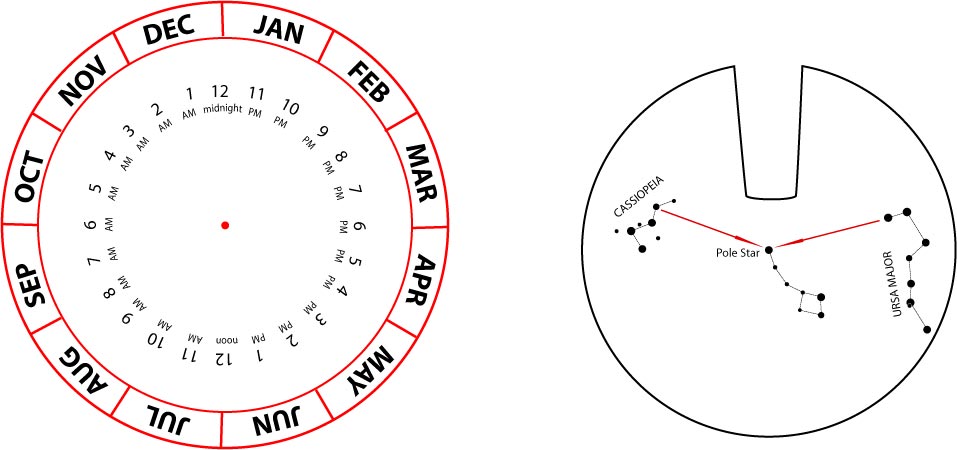
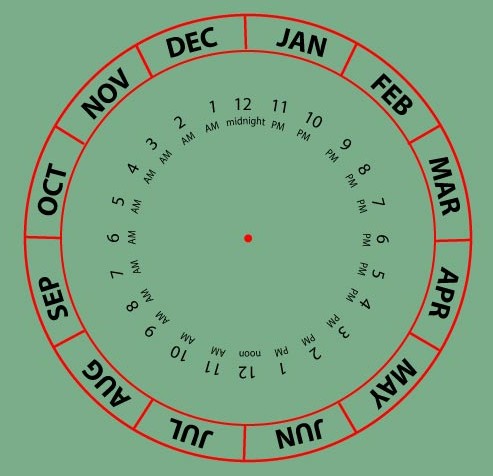
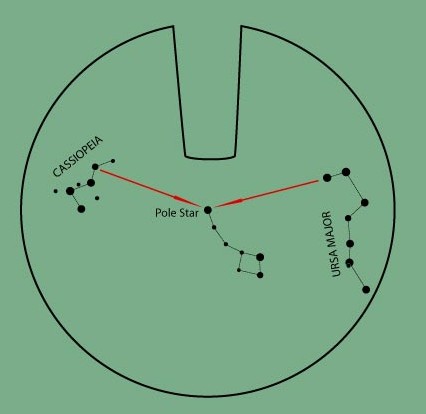
| Download the two dials to get the prints. Cut along the outlines of these prints and glue them on hard sheets with similar outlines. Keep the smaller dial on the larger one and carefully make holes through the central points to fix a small pan head bolt secured with a nut. You can also revet the two with a washer at the back. Ensure that the dials rotate over the other. Your star clock is now ready for use. If the sky is clear, stand in the open facing the north direction in the dark. Use a small torch with a red cellophane wrapped on the bulb to see in the darkness. Hold the dials at arms length and try to orient either or both the constellations marked on dial just as they are oriented in the real sky about the Pole star. The time read through the notch of the smaller dial is your local time. |
||||||||||||||||||||||||||||||||||||||
| Oh! Did I tell you earlier to keep the current month marked on the larger dial always on the top? A long enough use of this star clock will enable you to tell the time by just looking at Saptarishi (Great Bear) or Kashyapi (Cassiopeia) in the night. Many of our elders in the villages can tell the time by looking at the stars. You can do it too! |
||||||||||||||||||||||||||||||||||||||
| Home Page | ||||||||||||||||||||||||||||||||||||||
| Eclipse Page | ||||||||||||||||||||||||||||||||||||||
| Vidyamandir Batch Mates | ||||||||||||||||||||||||||||||||||||||
| Tithi | ||||||||||||||||||||||||||||||||||||||
|
|
||||||||||||||||||||||||||||||||||||||
|
|
|||||||||||||||||||||||||||||||||||||
|
||||||||||||||||||||||||||||||||||||||