Rotary Dubbing Techniques Using a Nor-Vise
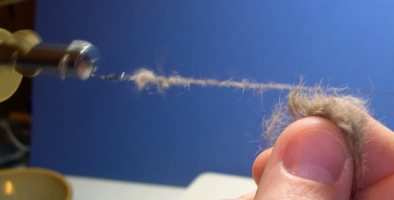
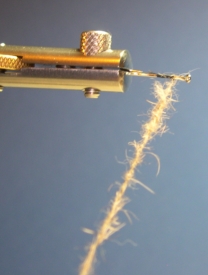
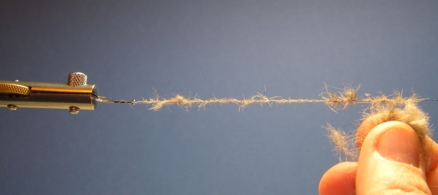
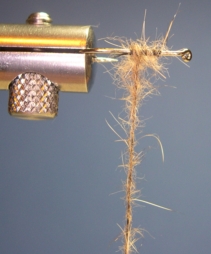
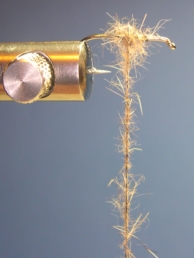
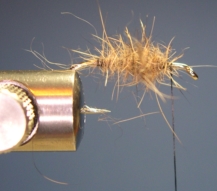
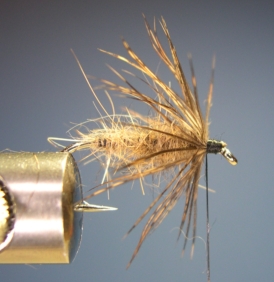
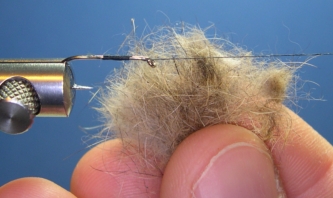
Dubbing applied in the rotary fashion is fast, easy and simplifies working with spikey or coarse materials. The theory behind the concept is that the thread, when aligned in the axis of rotation with the dubbing material butted up against it, will twist the dubbing fibers onto the itself. As the clump of dubbing is moved along the length of thread while the thread is spun, more and more material is pulled from the clump and a dubbing "noodle" is formed.

The aesthetics of the noodle are dependent upon the type of dubbing used, the rate at which the material is moved along the thread during the application and the rate of revolution when the thread is spinning. It is entirely possible to make very tight noodles for use on dry flies or very spikey, coarse noodles for salmon, steelhead or wet flies.

The iterations are limitless and experimentation is the only way discover how different materials act when utilizing this dubbing application technique.
Hosted by www.Geocities.ws

1