 |
|
|
|
|
|
|
|
|
|
|
|
|
|
|
|
|
|
|
|
|
|
|
|
|
|
|
For Want of a Bullet |
|
|
|
A History Of Nineties Rock
1994-2000 |
|
|
|
"No one saw it coming. The 1990's started out so oddly - Nirvana was on everyone's lips, and a new musical scene had come from the least expected of places, Seattle. The startling success of Nirvana's sophomore album, Nevermind, brought the Seattle sound, forever dubbed "grunge," out of the garage and into the stadiums. Within a few years, the sound had erupted across the United States, epitomized by such bands as Pearl Jam, Green Day, and, most of all, the Smashing Pumpkins. But by 1996, grunge was dead, replaced by an increasingly-fragmented genre known as alternative. Grunge, it seems, burned out as fast as it's prophet, Kurt Cobain. His year-long withdrawl from Nirvana in 1994 is seen as the first of the death throes, and Nirvana's final album, 1996's Idiot Box, its swan song...."
|
|
|
|
Joan Marx
Nevermind: Kurt Cobain
& The Rejection of Seattle
Random House, 1999 |
|
|
|
"Kurt Cobain shocked the music world, when, in 1994, he announced he was leaving Nirvana. In a page-long press release, Cobain said "it's better to burn out than to fade away." He expressed his dissillusionment with touring and with being famous. Neither of Nirvana's other members, Dave Grohl and Chris Novaselic, had been consulted or informed, and expressed shock and anger at Cobain's effective disbanding of Nirvana. They would spend the next year attempting to start up a new band called Master, with little success...
During the course of his year-long withdrawl, he became acquainted with the Seventies supergroup Procul Harum, as well as Queen's A Night at the Opera, which began heavily influencing his compositions and listening tastes. He also became increasingly reclusive, resulting in tension between himself and his wife, Hole's Courtney Love. The two would divorce in 1995... |
|
|
|
"Cobain reemerged into the publiceye in 1995, and reformed Nirvana. In keeping with his now-famous Letter of Resignation, the new Nirvana would not be a touring band. Taking a page from the Beatles, they retreated into the studio to record what Cobain regarded as his magnum opus, a bombastic theme album at which he had spent the better part of a year working on, and to which he would continue adding new material as recording progressed..."
Martin Madden
State Of Nirvana
2002 Greenhill Books |
|
|
|
 |
|
|
|
|
|
"Released on February 1996 to expectant crowds and eager rumors, Nirvana's Idiot Box entered the charts at #1 and refused to budge for almost exactly a year. Lauded almost universally by critics, it managed to alienate most of the Nirvana fanbase for its elaborate Spector-esque production qualities, sweeping tracks, and it's almost total rejection of the Seattle sound that made them famous to begin with. Three discs long, it featured an entire strings section and introspective lyrics about the nature of fame, the public eye, and fatherhood...."
Joan Marx |
|
|
|
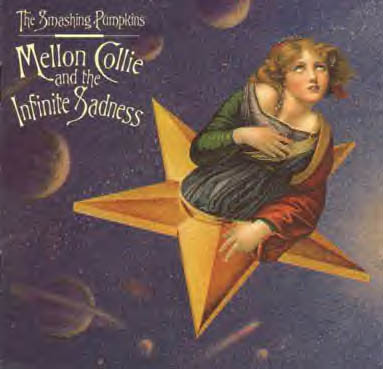
"It was to this market that the Smashing Pumpkins released their smash album, Mellon Collie and the Infinite Sadness. Eight years later, it remains the most successful album of all time. Smashing Pumpkins frontman Billy Corgan has credited much of its success to Kurt Cobain, who both set the stage with Idiot Box, and actually appeared on three tracks...'Tonight Tonight' has been stylistically compared to Idiot Box's 'The Things We Keep In Mind,' although Corgan claims to have written it before Nirvana's final release appeared on the shelves..."
Ken Kinder
All Music Guide |
|
|
 |
|
|
|
|
|
|
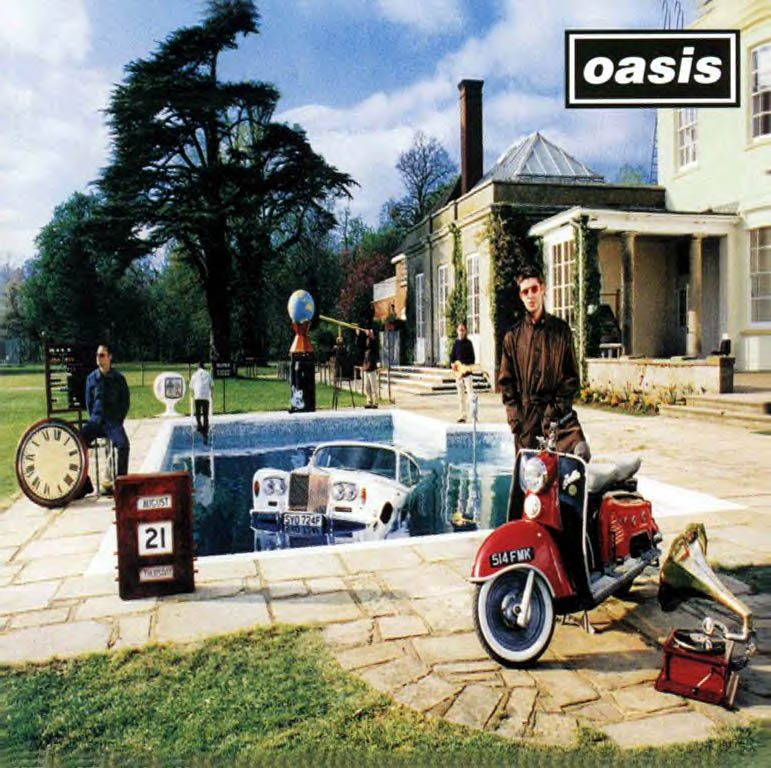
"The 1996 releases of, first, Idiot Box, and then Mellon Collie and the Infinite Sadness effectively signalled the end modern grunge-alternative. All the major releases of the following year - Pearl Jam's Vitology II, Alice In Chains' The Adventures Of, and Everclear's Marathon Runner - were all to some extent in the same evolutionary vein as the two principal albums. Rolling Stone went so far as to, in December 1997 issue, proclaim, in a very Nieschtzean fashion, 'Grunge is dead.' 1997 would prove them true. As the major grunge artists tried to merge in, a whole new crop of artists, led by British band Oasis, appeared. Semisonic's eight-minute long 'Closing Time' competed with Oasis's 'All Around the World,' an epic nine-minute song, for the number-four spot on Billboard.
"Oasis would prove the victor in that battle. The Gallagher brothers became the dominant musical force of 1997, with Be Here Now becoming the most successful album of the year..." |
|
|
|
 |
|
|
|
|
|
Shelby Wong
The Scene: Rock as History
Norton Books, 2003 |
|