
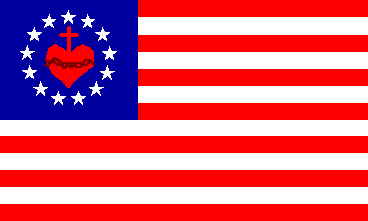
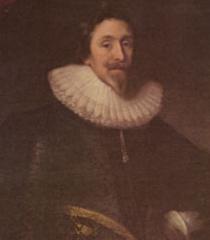
What became the U.S. was founded mostly by very anti-Catholic Puritan groups in New England. However, the first Catholic colony was established in Mary-land by George Calvert, 1st Lord Baltimore, an ardent monarchist who set up a very feudal sort of colony with lands granted by his friend and sovereign King Charles I. Not many Catholics, even in Protestant England were willing to uproot, so Maryland invited others in as well, becoming the first religiously tolerant land in the Americas. Eventually however, America ceased to be a refuge and became a battlefield itself. After the failure of the last Jacobite uprising many refugees came to America, mostly in the piedmont area of North Carolina. Growth and prosperity could not stop the anti-Catholicism and increasing anti-British attitudes that were growing.
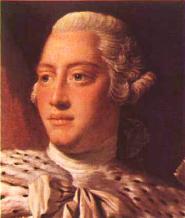
When King George III granted tolerance to the Catholics of Canada, many in the 13 colonies were outraged, and urged on by the wealthy, Deist elites, the following year America revolted against Great Britain. What ensued was a war very different from what is taught in history books. When the British finally wearied of the chase, they recognized the independence of the colonies, though upwards from 40-50,000 loyalist Americans chose to relocate to Canada rather than live in the new "land of the free". In many ways though, America got off to a good start, establishing a system of government which, while denying that true authority descends from God, nonetheless included many aspects of the British system as well as being in the style of a loose confederation, somewhat in keeping with the Catholic idea of subsidiarism.
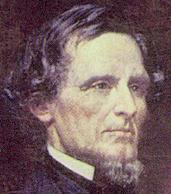
That all changed however, slightly with the new Constitution, but especially so in later years with the growing controversy over states' rights. Oddly enough, this movement went hand-in-hand with the rise of anti-Catholicism in many areas, fostered by the "Know-Nothing" parties. This was intensified by the fact that America came to include the largely Catholic lands of Louisianna, Texas, the Spanish southwest and California, Florida as well as increased immigration from Ireland and central Europe. The largest numbers of Catholics were in the north, mostly urban areas with large Irish immigrant populations, but the Catholic idea of subsidiarism existed exclusively in the south. With the War Between the States however, the nature of America changed. The country was no longer a collection of sovereign partner-states, but a centralized republic ruled from Washington. Even the language changed, people stopped saying (correctly) "the United States are..." and started saying (incorrectly) "the United States is..."
Prejudice against Catholics (and monarchists for that matter) never really went away. During the war, many accused Pope Pius IX of being the mastermind behind the southern states, using them to destroy the U.S. "the great world champion of freedom". Likewise, in the early 20th Century there was a rise in groups which specifically opposed the Catholic Church, such as the Freemasons and the new version of the Ku Klux Klan. The late 19th and 20th Centuries also saw America becoming involved in world affairs, and not always for the better, particularly so in World War I. World War II, however, saw the American public at its best and the American government at its worst. After U.S. troops led the way in the liberation of Europe, the government handed half the spoils over to Russia, and so America became the chief obstacle to Marxist expansion in the Cold War.
During this period, America did alot of the wrong things for alot of very right reasons. It was also when America elected its first Catholic President, John F. Kennedy of Massachusetts. He spent his campaign promising that his religion would not influence his actions in office, and then spent the rest of his short term proving it. Although, it must be said, many of the things Kennedy was for in the 60's would be considered "conservative" today. It took Ronald Reagan and Pope John Paul II to save the world from the Communist hole leaders like Harry Truman and Jimmy Carter got us into.
Today, despite many problems, the Catholic Church remains the single strongest in the United States, and is often seen as "too religious" by the much more secularized European powers. It is safe to say that the Founding Fathers' (mostly Deists and Freemason) position of religious neutrality had some benefits early on. For some time in the world, America was the only place outside of the Papal States that Catholics could worship in complete freedom. However, ultimately, this religious tolerance has led to religious indifferentism, and so we see the rise of all of the symptoms of today which point to a sick society that only Christ the King can heal.
God Bless America, but God bless Texas first! ;-)
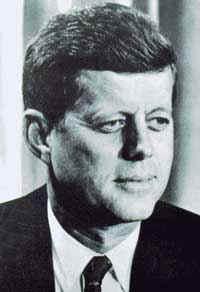
"I'm not Catholic, honest!"