United Kingdom of Great Britain


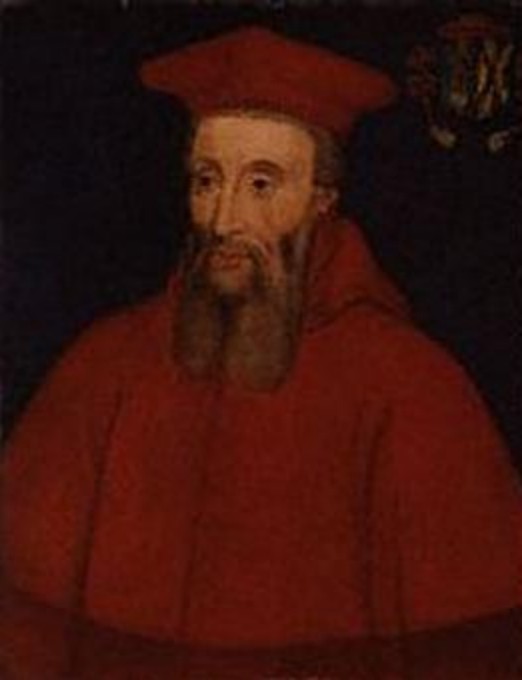
The begining of the end came with the reign of King Henry VIII, once celebrated as a loyal son of the Church, who broke away from Rome in order to be rid of his lawful, and much beloved, wife Queen Catherine of Aragon. This was nowhere near as simple as many historians make it out to be, particularly with religious men like St Thomas More, St John Fisher, Reginald, Cardinal Pole and Robert Aske standing in the way. Nevertheless
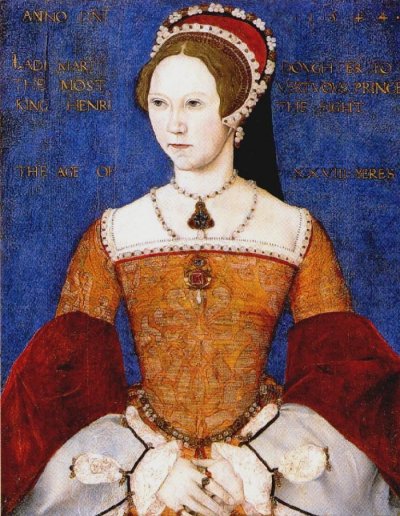
It also did not help that she fell in love with the Catholic champion of Europe, King Philip II of Spain. The Protestants had built up the Church of England as a patriotic institution, and there spread across the country a violent xenophobia, against Spain in particular as their chief rival in commerce and colonial expansion. When Queen Mary died without an heir it seemed as though the Catholic Church in Britain was gone for good. Her sister Elizabeth I issued harsh laws against all Catholics in England and Ireland, and had the last Catholic Queen of Scotland
Yet, all was not lost for the Church. Elizabeth's death left the crown of England and Ireland in the hands of the Scottish House of Stuart. King James I was a devout Anglican, but his son King Charles I was very sympathetic toward the Catholics. His wife was a Catholic and Charles himself favored the 'High Anglican' style of the national church, which was about as close to Catholicism as one can get without leaving the Church of England. He did not enforce the laws that oppressed Catholics
However, Puritanism left England with a bad taste in their mouth and following the death of the republican dictator Oliver Cromwell (a relative of Henry VIII's wicked accomplice Thomas Cromwell) they restored the Stuart monarchy under King Charles II. The new king believed in private that the Catholic Church was the true Church, but lacked the conviction (and willingness to commit political suicide) to say so. He did, however, convert and accept the Church on his deathbed. This left the throne to his brother, Britain's last Catholic monarch, King James II. He was a devout Catholic and made no bones about it. His efforts to allow religious toleration for all people throughout Britain earned him the wrath of the political elites and he was deposed by a Dutch invasion in 1688.
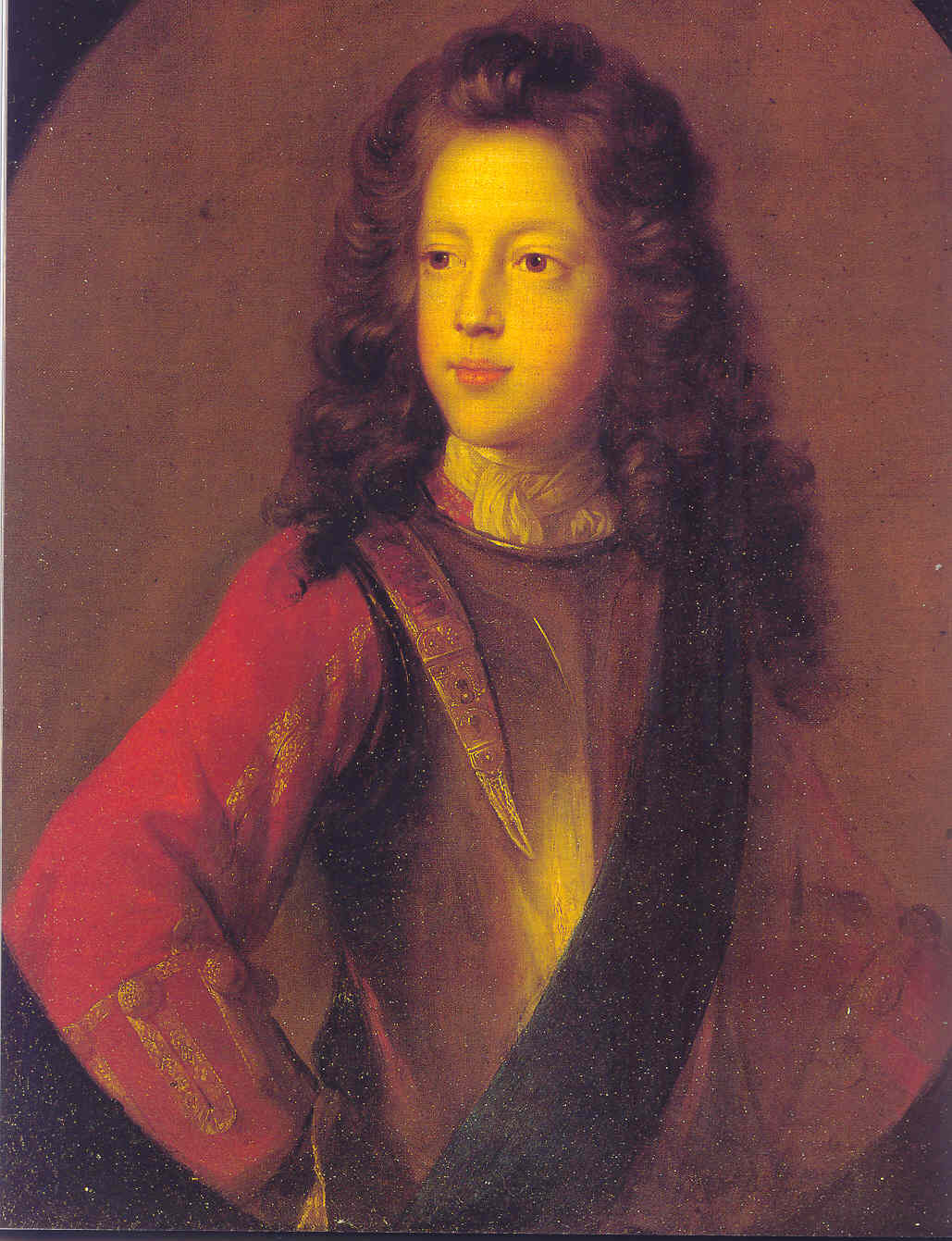
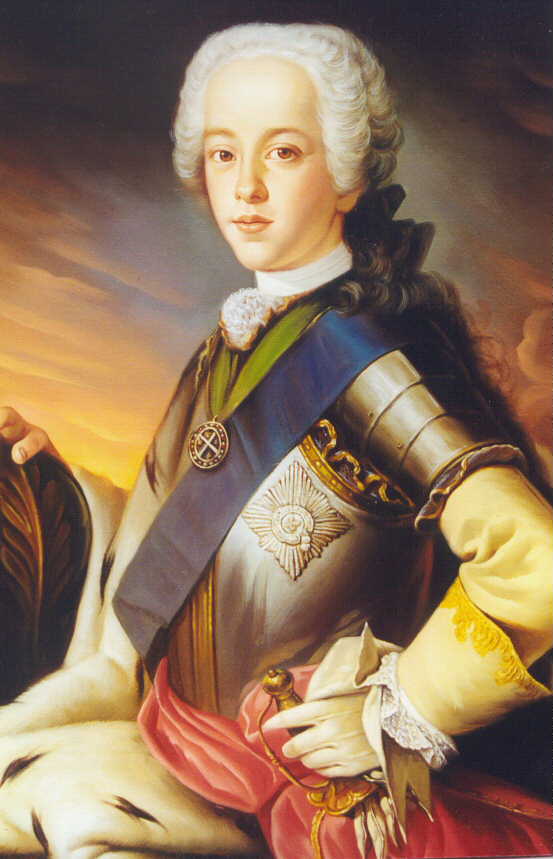
Sadly, things went no better for King James III than they did for King James II in Ireland. The Jacobites simply had no military leader who was up to the daunting task of fighting off the superior government forces. James was forced to withdraw to Italy but he promised his ever faithful subjects that he would come again. Thirty years later, his promise was kept in the person of his son, Prince Charles Edward Stuart, who landed in Scotland with less than 10 men and launched the 1745 Jacobite Uprising. In the name of his father he captured Edinburgh, liberated Scotland and marched into England as far south as Derby until the bickering clan leaders overruled him and ordered a retreat. He had come closer to victory than anyone ever had, but in the far north of Scotland, at Culloden Moor, the last hope of a Catholic restoration went down in glorious defeat. No further attempts were made, but as an interesting historical note; today there are in fact more Catholics in England's churches than there are Anglicans. Who knows.....